Aurangzeb Highlights Reforms And Investment Opportunities At IMF-World Bank Meetings
Listen3 min
Read aloud by your device’s built-in synthetic voice, not a recording. Needs a browser that can read aloud.
✧ GENERATE BRIEFING
Federal Minister for Finance and Revenue Senator Muhammad Aurangzeb concluded a series of high-level meetings with global financial institutions, institutional investors, and bilateral partners on the sidelines of the IMF–World Bank Annual Meetings in Bangkok. The finance minister emphasized that Pakistan’s recent macroeconomic stabilization, rising foreign exchange reserves, sovereign credit rating upgrades, and renewed international capital market access are setting the stage for export-led growth and private sector investment.Key operational domains, investor engagements, and structural reform tracks discussed include:G-24 Vice-Chairmanship & Global Financial Architecture: Calling for comprehensive reforms to multilateral institutions, Aurangzeb outlined three core priorities as Pakistan prepares for the G-24 Chairmanship: centering international finance on sustainable development, enhancing Bretton Woods governance representation, and creating responsive liquidity buffers for shock-exposed developing economies. Capital Market Mobilization (Jefferies & Barclays Roundtables): Detailed sovereign debt management plans, including issuing Sukuk instruments, tapping the Chinese onshore market through a Panda bond, and preparing for Eurobond issuances.
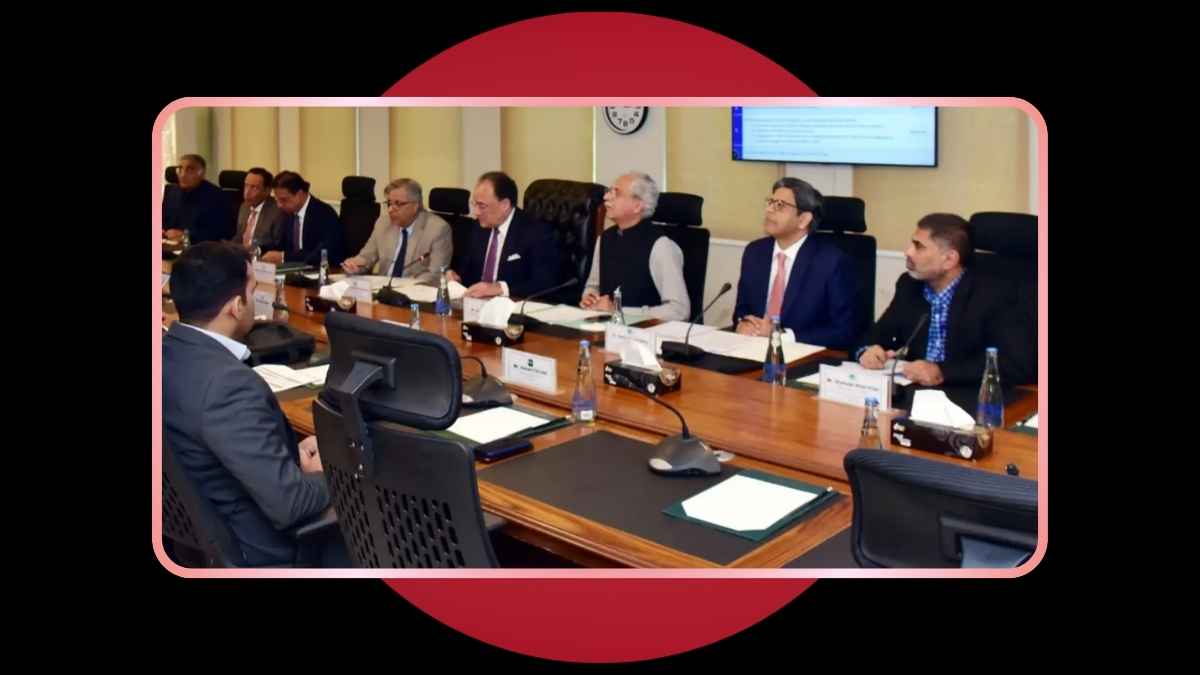
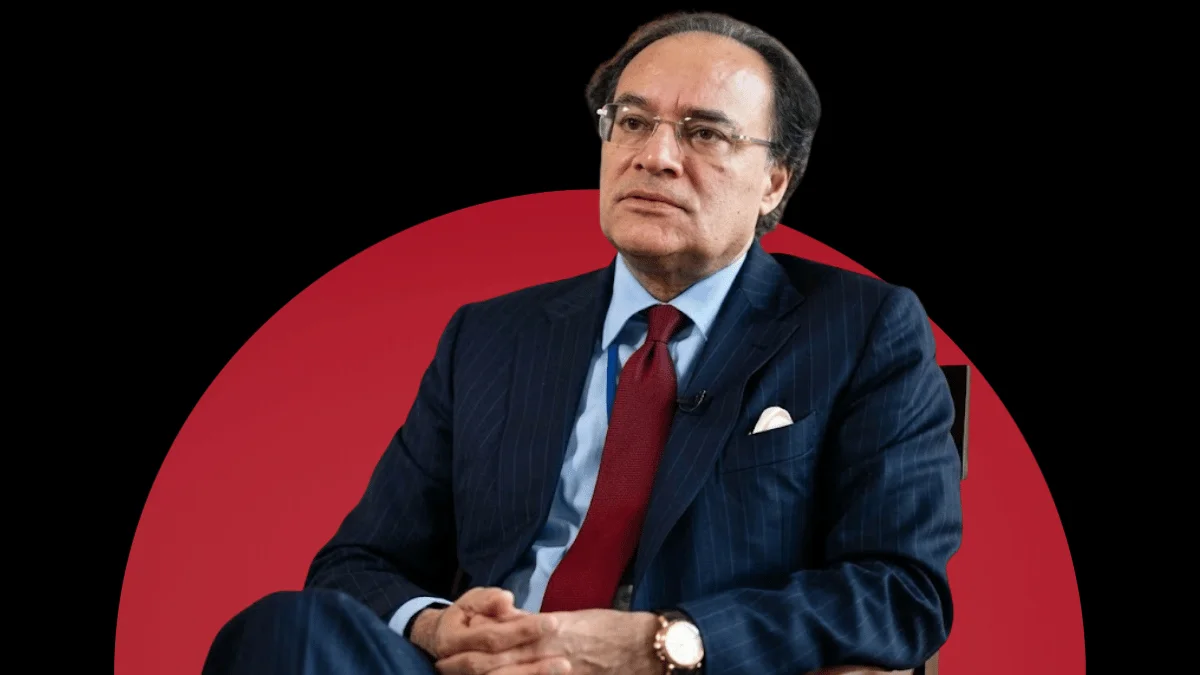
Finance Minister Muhammad Aurangzeb has highlighted Pakistan’s economic reforms, investment opportunities and development priorities during a series of meetings with international financial institutions and investors on the sidelines of the IMF–World Bank Annual Meetings in Bangkok.
According to the Press Information Department (PID), the discussions covered macroeconomic stability, private-sector investment, development financing, taxation, energy reforms and Pakistan’s access to international capital markets.
G-24 Leadership and Global Financial Architecture
Speaking as First Vice-Chair of the G-24, Aurangzeb called for reforms to the international financial architecture to address challenges facing developing economies, including climate-related shocks, trade fragmentation, restrictive financial conditions and widening financing gaps.
At a World Bank roundtable, the finance minister highlighted Pakistan’s rapid population growth and its implications for education, healthcare and employment. He stressed the need to coordinate population, health, education and employment policies while expanding women’s education, workforce participation and opportunities for young people.
Institutional Investments and Sectoral Growth
In meetings with the Saudi Fund for Development and the International Finance Corporation (IFC), Aurangzeb discussed trade, investment, refinery upgrades, small-business financing, affordable housing, agricultural development and infrastructure projects. Discussions with the IFC also covered mining infrastructure, value addition, cold-chain facilities, livestock investment and pharmaceutical exports.
The finance minister also briefed institutional investors on Pakistan’s fiscal and external balances, foreign exchange reserves, credit-rating upgrades and renewed access to international capital markets. He outlined the government’s priorities, including tax-base expansion, energy-sector restructuring, privatisation and reforms of state-owned enterprises.
International Capital Markets and Energy Security
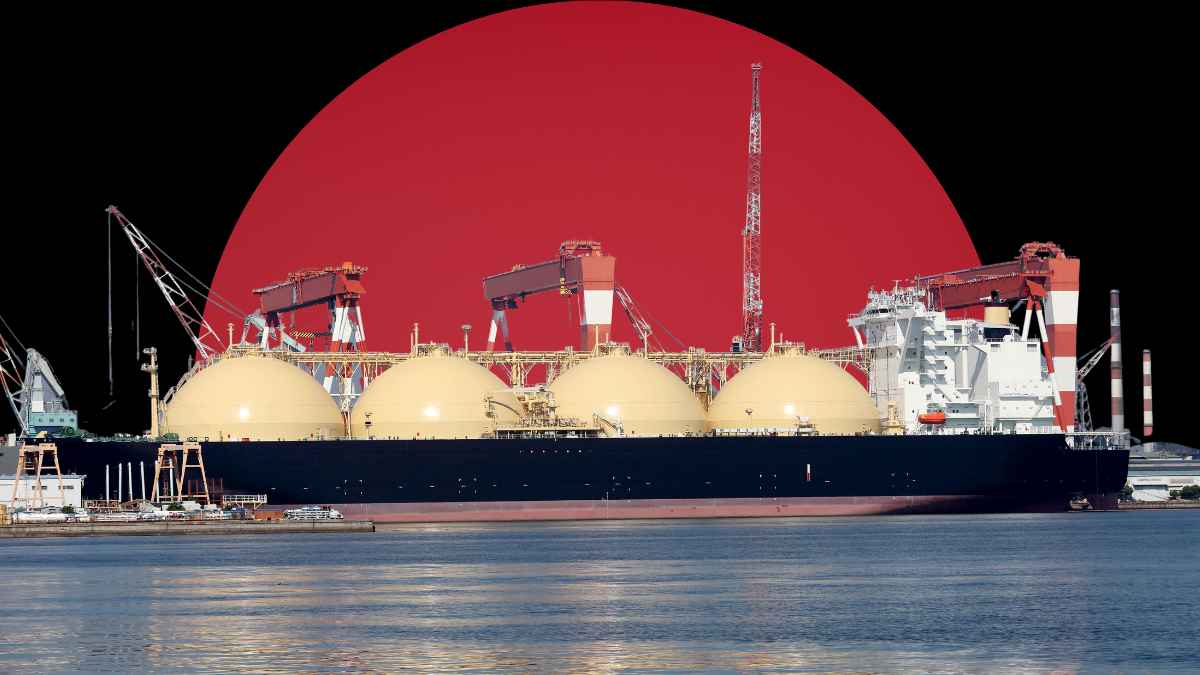
At separate investor roundtables organised by Jefferies International and Barclays, discussions included debt management, Sukuk, a potential Panda bond, Eurobond issuance, airport outsourcing and investor interest in electricity distribution companies. Aurangzeb also addressed geopolitical risks, energy security and Pakistan’s LNG obligations.
The finance minister said sustained implementation of taxation, energy and state-owned enterprise reforms would be essential to convert macroeconomic stability into export-led growth, investment and improved public welfare.