FinMin Pitches Human Capital Plan At World Bank Roundtable In Bangkok
Listen2 min
Read aloud by your device’s built-in synthetic voice, not a recording. Needs a browser that can read aloud.
✧ GENERATE BRIEFING
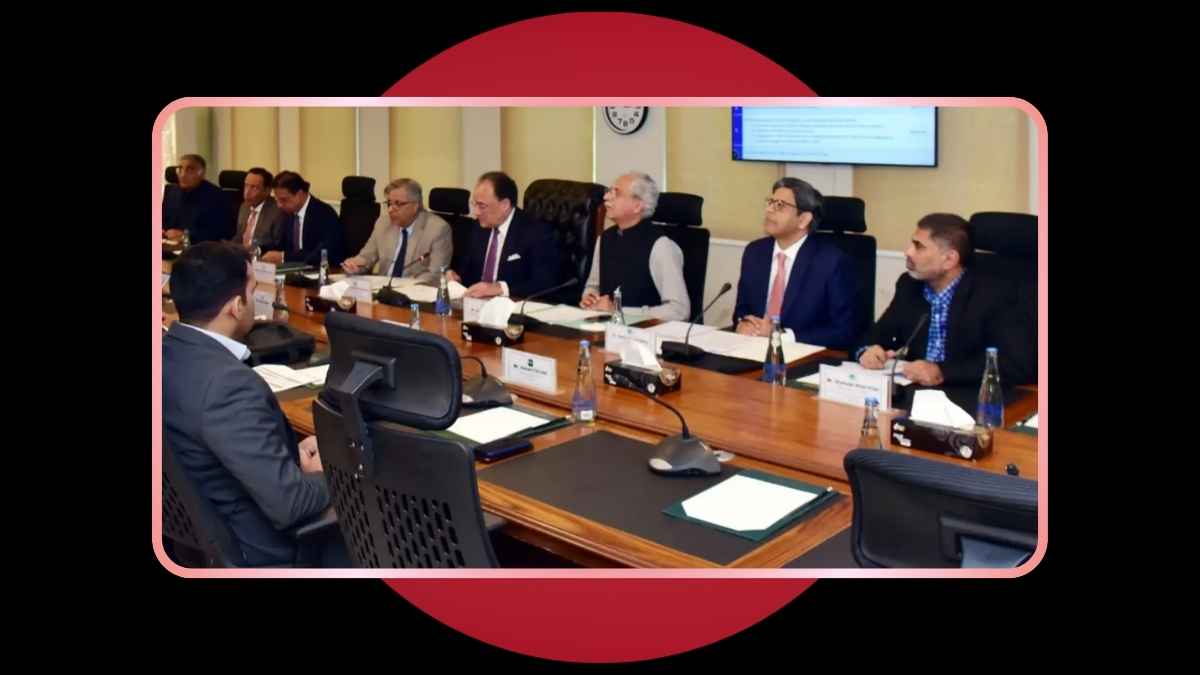
Federal Minister for Finance and Revenue Senator Muhammad Aurangzeb outlined Pakistan's human capital strategy at a World Bank roundtable on the sidelines of the World Bank Group–IMF Annual Meetings 2026 in Bangkok. Centered on managing the country's demographic transition, the minister detailed plans to operationalize the newly established National Population Council, chaired by Prime Minister Shehbaz Sharif, to integrate population management with broader social sector policy and economic growth. Key strategic priorities and human capital development tracks presented by the minister include:Apex Institutional Architecture: The proposed council will establish a unified federal-provincial framework to align health, education, family planning, and employment initiatives under measurable, monitored targets—overcoming historic departmental silos.Social Interventions & Best Practices: Emphasized targeted focus areas including female literacy, expanding women's workforce participation, and direct engagement with religious leaders regarding health-based birth spacing.
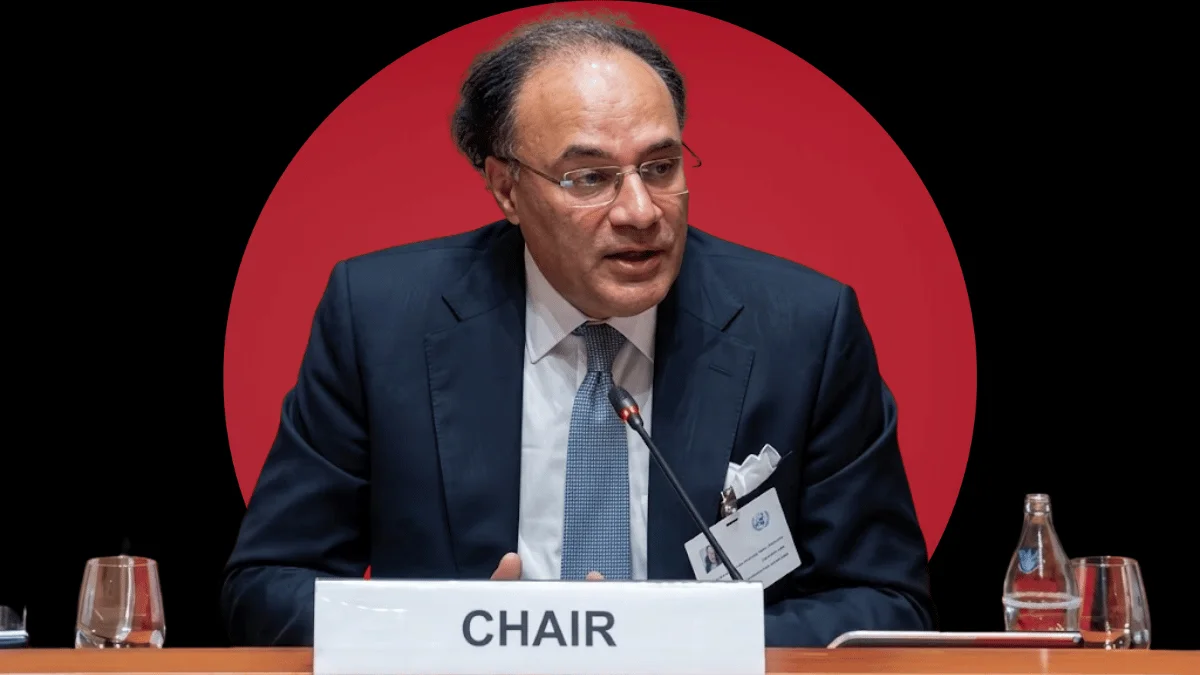
Finance Minister Muhammad Aurangzeb has outlined plans to establish a National Population Council led by the prime minister, aiming to address Pakistan’s rapid population growth through coordinated action on health, education, employment and human capital development.
Speaking at a World Bank roundtable in Bangkok on the sidelines of the World Bank Group–IMF Annual Meetings 2026, Aurangzeb stressed the need for a comprehensive national approach to demographic challenges and their economic consequences.
Apex Institutional Coordination
The proposed council is intended to bring federal and provincial initiatives under a common framework, with measurable targets and sustained political commitment. The government aims to improve coordination among institutions whose population-related programmes have often operated separately.
Aurangzeb highlighted women’s education, workforce participation and engagement with religious leaders on birth spacing as important areas for action. He also referred to experiences from Indonesia, Bangladesh and Iran while discussing possible approaches for Pakistan.
Youth Empowerment and Digital Exports
The finance minister said the country’s ability to benefit from its demographic dividend would depend on developing a skilled workforce and expanding employment opportunities. A large population can support economic growth only when people have access to education, relevant skills and productive jobs.
He identified freelancing, information technology-enabled services and digital skills as potential sources of higher youth earnings and export growth. These areas could help Pakistan convert its young population into a more productive workforce and strengthen its services exports.
The initiative reflects the government’s emphasis on linking population management with economic planning. Better coordination across health, education and employment policies could help improve human capital outcomes, although the council’s impact will depend on implementation, funding and cooperation between federal and provincial authorities.