Musk Plans SpaceX Share Giveaway To 73 Million American Children
Listen3 min
Read aloud by your device’s built-in synthetic voice, not a recording. Needs a browser that can read aloud.
✧ GENERATE BRIEFING
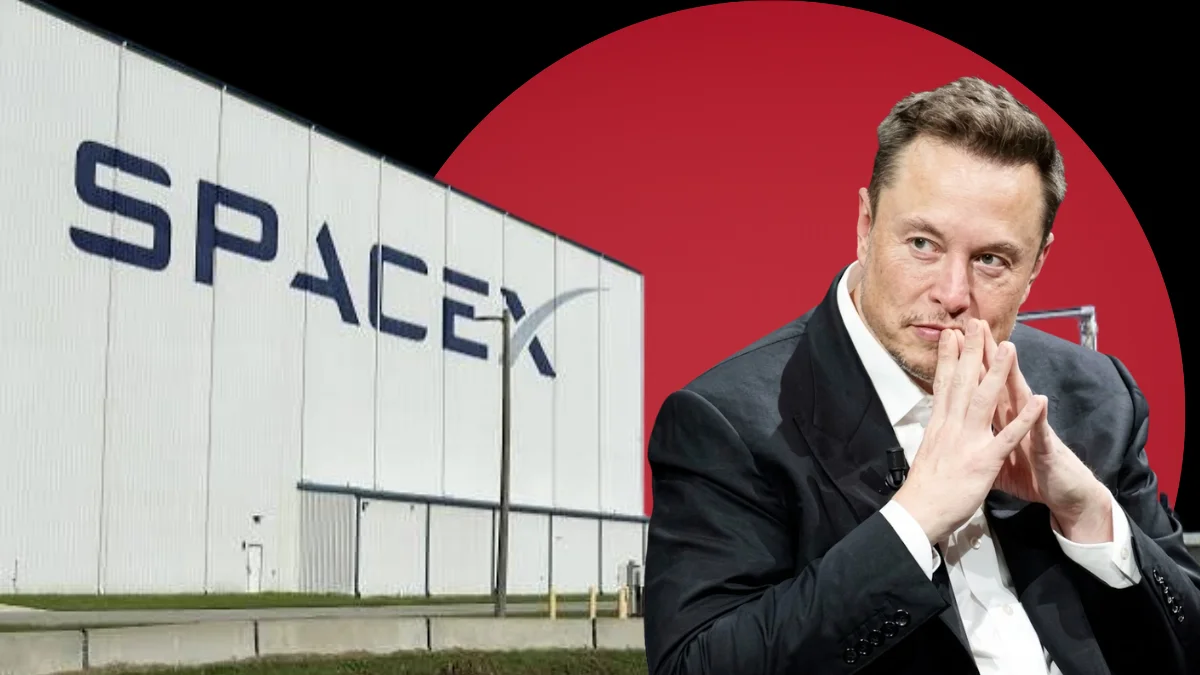
Tech billionaire Elon Musk announced plans on October 19, 2026, to distribute one share of SpaceX from his personal holdings to every child in the United States in 2027. The proposed giveaway—estimated at approximately $10.5 billion to $10.7 billion based on SpaceX's current stock price of ~$146—would cover roughly 73 million minors under the age of 18. Key operational, strategic, and corporate aspects of the proposal include:Direct Equity Distribution: Responding directly to AI company Anthropic’s announcement to commit 5% of its stock to a corporate Public Benefit Fund, Musk advocated for direct-to-public wealth distribution rather than channeling assets through intermediary funds. Impact on Personal Stake: The 72–73 million shares proposed represent approximately 1.1% of Musk’s personal equity stake in SpaceX (~4.8 billion direct shares). Potential Infrastructure Channels: Analysts note the distribution could leverage the federal Trump Accounts network—a youth savings and investment program established by the US Treasury—though Musk has yet to formally confirm integration details.
Billionaire entrepreneur Elon Musk has pledged to give one share of his space company, SpaceX, to every child in the United States next year, a proposed giveaway that could be worth more than $10 billion at current share prices.
Musk announced the plan on Monday through his social media platform, X, saying the initiative would be the first of several similar efforts. However, he did not disclose how the shares would be distributed, which children would qualify or when the transfers would take place.
Scale and Valuation Dynamics
The United States has approximately 73 million children under the age of 18. With SpaceX shares trading at around $146 each, distributing one share to every child would represent an estimated value of approximately $10.7 billion. The final value would depend on the share price when the distribution takes place.
The shares required for the distribution would come from Musk’s personal holdings, representing roughly 1.1% of his direct ownership stake in the aerospace manufacturer.
Direct Distribution vs. Public Benefit Funds
The announcement followed a separate move by artificial intelligence company Anthropic, which said it would allocate 5% of its shares to a newly established Public Benefit Fund. The fund is intended to support initiatives serving the public interest, including charitable donations and assistance to groups affected by technological change.
Musk responded to Anthropic’s announcement by arguing that shares should be distributed directly to the public rather than channelled through a dedicated fund. His subsequent pledge appeared to reflect that approach, although the precise mechanism for delivering the shares remains unclear.
Distribution Channels, Legal and Custodial Challenges
One possible route is the US government’s Trump Accounts programme, which provides investment accounts for eligible children. The accounts can receive contributions from private donors, including stock donations, but Musk has not confirmed whether his proposed distribution would use this system.
Giving equity directly to millions of minors introduces substantial administrative, tax, and custodial complexities. Because beneficiaries are under 18, custodial account structures, legal identity verification, SEC compliance, and corporate shareholder voting rights would need to be established.
Wealth Distribution in the Tech Sector
The proposal comes as technology companies face growing debate over how the financial benefits of artificial intelligence and other advanced technologies should be shared more broadly. Musk has argued that technological progress could create substantial economic abundance, while policymakers and industry leaders continue to examine its potential effects on employment and inequality.
For now, the announcement remains a pledge rather than a completed distribution plan. Further details will be needed to establish eligibility, ownership arrangements and how the shares would be transferred to millions of children.