Govt Reviews Industrial Gas Levy Policy Amid Export Competitiveness Concerns
Listen3 min
Read aloud by your device’s built-in synthetic voice, not a recording. Needs a browser that can read aloud.
✧ GENERATE BRIEFING
The Ministry of Finance has constituted a joint government-industry committee to re-evaluate the gas levy policy and calculation methodology. The step follows urgent representations by export-oriented industries regarding escalating energy tariffs and their detrimental impact on price competitiveness in global markets. Key institutional reviews, tax adjustments, and trade facilitation initiatives include:Gas Levy & Energy Tariffs: The joint committee will re-examine formula calculations to identify potential cost rationalizations. However, the government has not officially announced any immediate rate cuts or levy rollbacks. Provincial Cess & Fiscal Overhauls: Exporters called for relief regarding the Punjab Infrastructure Cess, asking for legal clarity on provincial collections and exemptions. Discussions with the Federal Board of Revenue (FBR) centered on proportionate Super Tax relief for export earnings, revised export turnover thresholds, and accelerated sales tax refund disbursements under the Export Facilitation Scheme (EFS).
Pakistan’s Ministry of Finance has established a committee comprising government and industry representatives to review the gas levy policy and its calculation formula following concerns from exporters over industrial energy costs and their impact on international competitiveness.
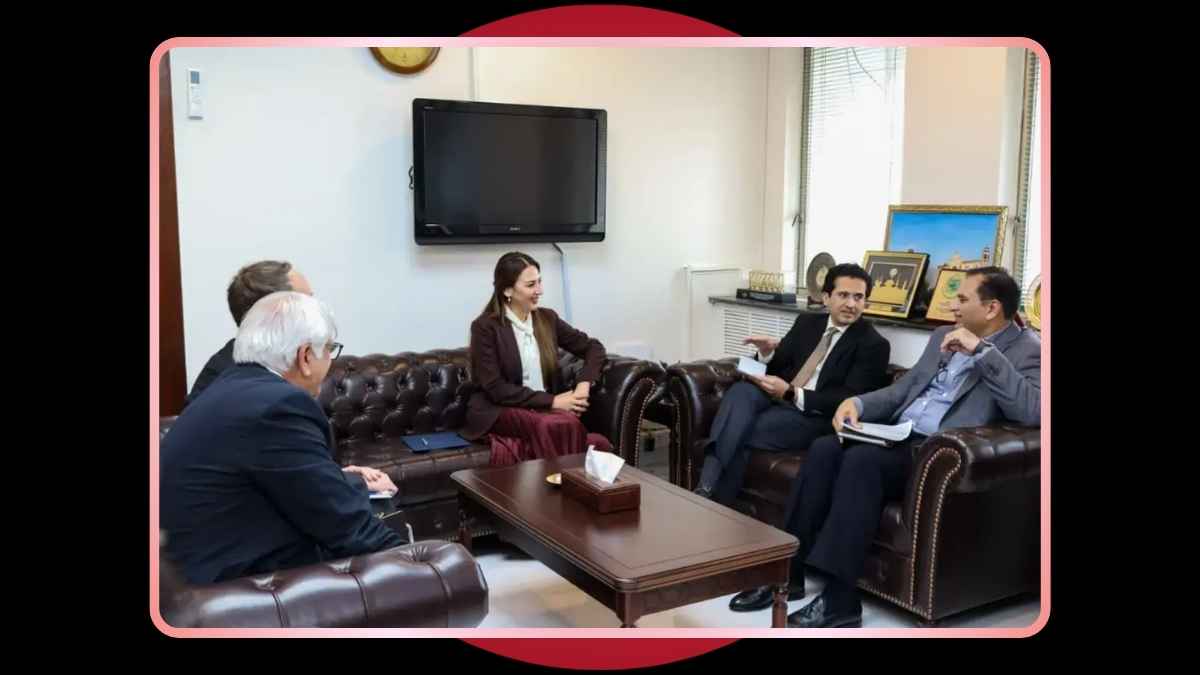
The development was announced during a follow-up consultative meeting chaired by Federal Minister for Commerce Jam Kamal Khan at the Ministry of Commerce. Minister of State for Finance and Revenue Bilal Azhar Kayani, senior government officials and representatives of leading export businesses participated in the discussions.
Joint Committee on Gas Levy and Industrial Energy Tariffs
According to official reports, the committee will examine the existing levy framework and recommend possible adjustments. However, the government has not announced any immediate reduction or withdrawal of the levy.
Exporters also raised concerns about the Punjab infrastructure cess, including its application, collection mechanism and additional financial burden on export-oriented manufacturing units. Participants called for greater clarity on the legal framework, applicable exemptions and stronger coordination with provincial revenue authorities.
FBR Tax Relief, Sales Tax Refunds, and Export Facilitation
Taxation was another major issue discussed during the consultation. Participants examined proposals to revise export-related eligibility thresholds, consider proportionate super tax relief on export-derived income and address concerns over additional sales tax and refund arrangements affecting non-traditional exporters. These proposals are subject to further examination by the relevant authorities, including the Federal Board of Revenue.
The meeting also reviewed the Export Facilitation Scheme (EFS), with participants discussing procedural requirements, eligibility criteria and possible improvements to support exporters. Businesses further highlighted certification charges and repeated documentation amendment fees imposed by the Department of Plant Protection, calling for a streamlining of regulatory costs.
Bilateral Market Access and Overseas Diplomatic Ties
Market access and trade relations featured prominently in the discussions. Jam Kamal said Pakistan was pursuing improved trade arrangements and preferential access with partners including China, South Korea, Türkiye, Japan and Vietnam. Participants also discussed business visa restrictions, international travel advisories and insurance costs that affect exporters’ ability to reach overseas markets.
The consultation covered opportunities to expand livestock and dairy exports, alongside challenges involving international sanitary requirements, certification and access to foreign markets. The minister stressed the importance of continuous coordination between government departments and private-sector stakeholders to develop practical solutions.
Consolidated Recommendations for Prime Minister Review
The Ministry of Commerce will consolidate the issues raised and obtain responses from the relevant ministries and departments for a comprehensive presentation to Prime Minister Shehbaz Sharif. Exporters were also asked to submit written recommendations identifying specific operational bottlenecks, proposed solutions and the required policy interventions.
The review comes as Pakistan seeks to strengthen its export-oriented economy by addressing production costs, regulatory hurdles and barriers to international trade. The outcome of the gas levy committee’s work will be critical in determining future industrial energy pricing across the country’s manufacturing centers.