
Musk Backs Potential Tesla–SpaceX Merger As Independent Committees Form
Listen3 min
Read aloud by your device’s built-in synthetic voice, not a recording. Needs a browser that can read aloud.
✧ GENERATE BRIEFING
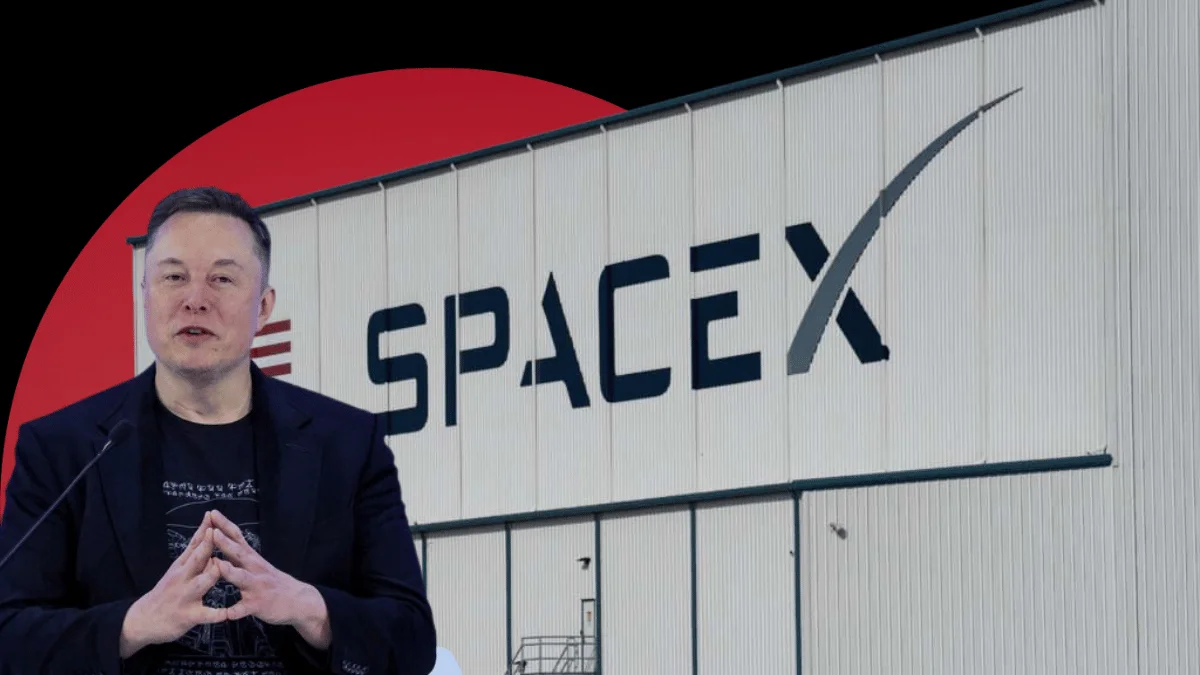
Elon Musk announced during a SpaceX third-quarter earnings call on Tuesday, October 20, 2026, that both Tesla, Inc. and Space Exploration Technologies Corp. (SpaceX) have established special independent committees of directors to evaluate a potential mega-merger. A combined entity could carry an estimated valuation of $3.5 trillion, making it potentially the largest corporate transaction in history. Key structural elements, governance constraints, and strategic synergies include:Governance & Recusal: Due to Musk’s dual executive leadership and controlling equity stakes in both enterprises, he is legally recused as a conflicted party. Independent director panels are conducting the review process without his direct involvement. Physical AI and Infrastructure Convergence: The proposed combination aims to create a unified "physical AI" stack, linking Tesla's autonomous vehicles, custom chips, and Optimus humanoid robotics with SpaceX's Starlink constellation, orbital data center concepts, and heavy launch infrastructure.
Elon Musk has expressed support for a potential merger between electric vehicle manufacturer Tesla and aerospace company SpaceX, as both businesses establish independent committees to examine the proposed combination.
Speaking during a SpaceX Q3 investor call on Tuesday, Musk described the merger as a good idea but stressed that the decision rests with the committees and shareholders. He also acknowledged that his leadership roles and financial interests in both companies prevent him from participating directly in the independent review process.
Independent Review Panels and Governance Safeguards
The committees were established following requests from shareholders. They are expected to assess the feasibility and potential terms of a transaction, although no agreement has been reached and a merger is not guaranteed.
Because of Musk’s dual executive roles and conflicting equity positions, the independent director panels must evaluate the proposal without his direct participation in their deliberations. The review process is structured to protect minority shareholder interests across both public and private investment bases.
AI, Robotics, and Physical Infrastructure Synergy
Musk has argued that combining the companies could strengthen collaboration in artificial intelligence, semiconductor development, robotics, advanced manufacturing and satellite connectivity.
Tesla is expanding its focus beyond electric vehicles into energy storage, autonomous driving, compute clusters, and humanoid robotics. SpaceX operates rocket launch services and the Starlink satellite communications network, while also investing in AI computing infrastructure and orbital deployment platforms.
Bringing these activities under one corporate structure could allow closer coordination of engineering resources, technology development and capital allocation. Industry analysts note that a combined firm would control a full “physical AI” stack spanning silicon fabrication, ground autonomy, orbital satellite internet, and space assets.
Shareholder Voting Hurdles and Regulatory Scrutiny
Any proposed combination would face significant corporate governance and shareholder considerations. Musk noted that Tesla would require approval from at least 50% of its voting shareholders, making institutional investor support a decisive factor in determining whether the transaction moves forward.
The sheer scale of a transaction—which could value the combined group at upwards of $3.5 trillion—raises major regulatory questions surrounding market concentration, defense contracting oversight, capital allocation, and SEC compliance.
Financial Markets and Valuation Impact
Investors responded positively to the prospect of a combination. SpaceX shares rose as much as 8% in extended trading following Musk’s comments, while Tesla shares gained around 1.8%, according to market reports.
A merger could bring together Tesla’s EV, battery storage, and robotics divisions with SpaceX’s launch services and Starlink satellite business. While the market potential is immense, both committees must first construct a valuation baseline, develop deal terms, and submit a formal proposal to shareholders for consideration.

 Tech & Startups
 Tech & Startups
 Tech & Startups