Pakistan Launches Second Indigenous EO-2 Satellite; Strengthening Space Self-Reliance.

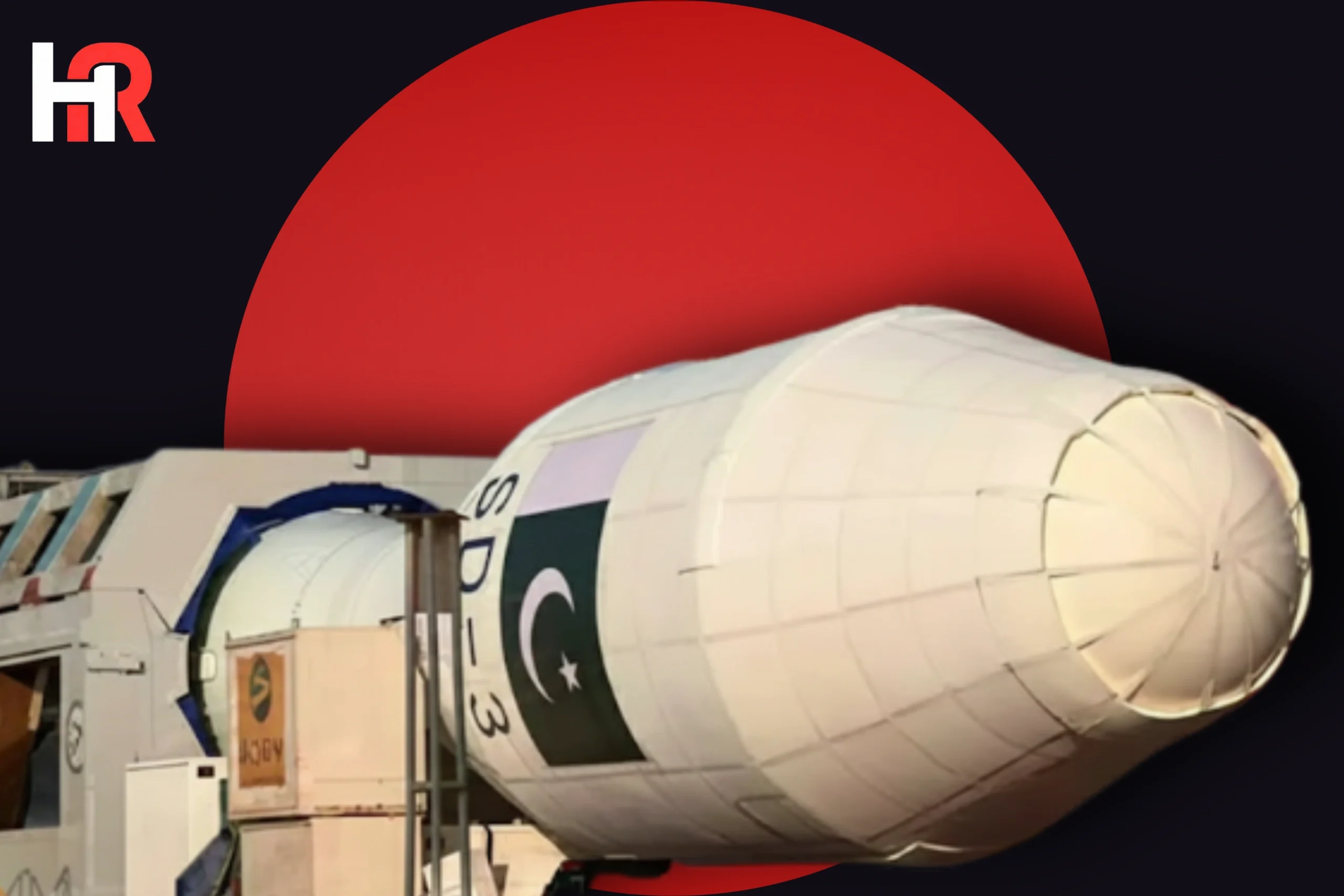
On February 12, 2026, Pakistan achieved a major technological milestone with the successful launch of its second indigenous Electro-Optical satellite, EO-2, into orbit from the Yangjiang Seashore Launch Centre in China. Conceived, designed, and integrated entirely at SUPARCO’s Satellite Research and Development Centre (SRDC) in Pakistan, the mission underscores the nation’s advancing technical self-reliance in space technology.
Key Details of the EO-2 Mission
- Indigenous Development: The satellite was built through in-house research, systems engineering, and payload integration at SUPARCO’s Karachi-based research center.
- Enhanced Satellite Fleet: EO-2 is Pakistan’s fifth Earth observation satellite and its second locally developed electro-optical satellite.
- High-Resolution Imagery: Equipped with an advanced high-resolution optical payload, the satellite will provide critical spatial data for urban planning, natural resource management, and infrastructure tracking.
- Coordinated Operations: Designed to work alongside the already orbiting EO-1 (launched in early 2025), EO-2 will observe Earth under different illumination conditions, significantly improving imaging continuity and analytical precision.
- National Benefits: Data from the satellite will support climate monitoring, governance, disaster management, and agricultural planning across various national sectors.
- Strategic Partnership: The launch was facilitated by a Smart Dragon-3 (SD-3) carrier rocket as part of an enduring space cooperation agreement between Pakistan and China.
National Commendations
President Asif Ali Zardari and Prime Minister Shehbaz Sharif congratulated the nation’s scientists and engineers, hailing the launch as a sign of Pakistan’s growing “technological footprint”. Deputy PM Ishaq Dar also commended the tireless efforts of the SUPARCO team in strengthening the country’s domestic space infrastructure for national development.
 Pakistan
 Pakistan
 Pakistan