Budget 2026-27: PBF Warns IMF Programme Is No Excuse to Squeeze Documented Businesses.
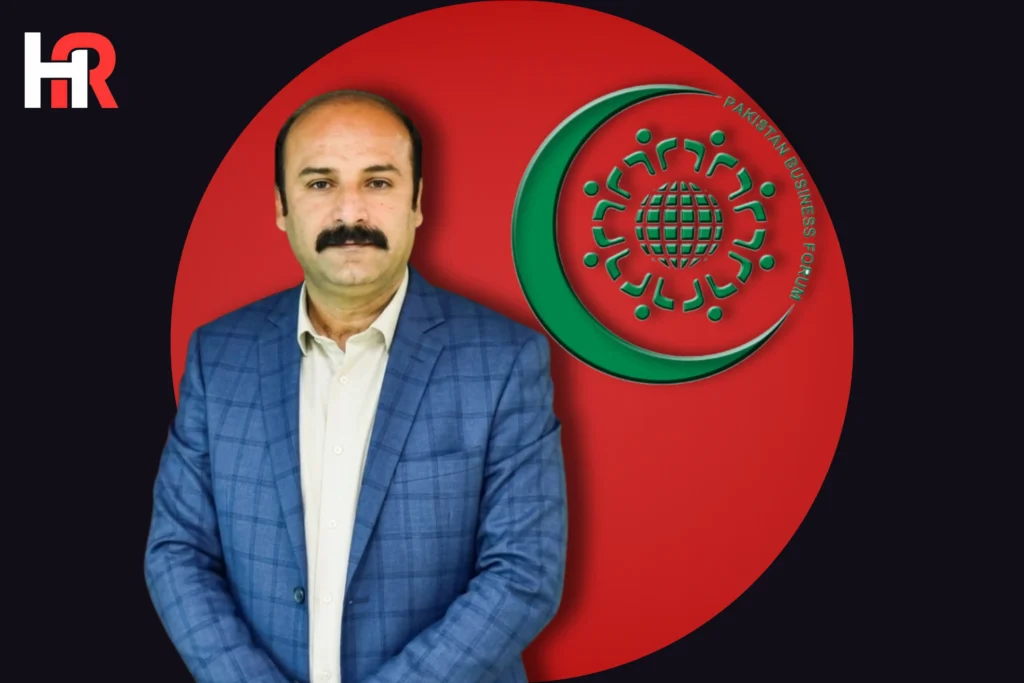
PBF Ahmad Jawad federal budget tax reforms
Slashing the narrative that multilateral bailouts require crushing existing taxpayers, the Pakistan Business Forum (PBF) has warned that the success of the upcoming federal budget hinges entirely on the state’s willingness to tap under-taxed sectors rather than repeatedly squeezing the already documented corporate community.
Speaking during an economic brief on Thursday, PBF Chief Organiser Ahmad Jawad pointed out that Pakistan’s economic growth has remained flat at a stagnant 3 percent average over the past four fiscal years. He stressed that the upcoming financial landscape requires aggressive policies designed to stimulate long-term investment, physical production, and job creation rather than managing fiscal contraction.
Expanding the Tax Base vs. Over-Taxing the Compliant
As underscored in the official public representation layout, the business community is maintaining a united front against lopsided fiscal policies. The PBF emphasized that relying on a small pool of documented corporations to hit strict revenue targets sets a dangerous precedent that directly hurts economic expansion.
The core policy recommendations outlined in the economic brief focus on several key pillars:
- Taxing Undocumented Sectors: Bringing wholesale, retail, real estate, and major agricultural income earners into the tax net instead of raising duties on active corporate filers.
- Stimulating Long-Term Capital: Introducing targeted fiscal incentives in the Finance Bill to lower the cost of doing business, which will revive physical production and domestic manufacturing hubs.
- Breaking Stagnation: Shifting the national economic strategy away from contractionary fiscal measures toward pro-growth initiatives to break past the flat 3 percent GDP growth ceiling.
- Enhancing Regulatory Transparency: Automating compliance pathways to minimize administrative friction and protect formal tax filers from arbitrary enforcement.
The IMF Program Must Not Suffocate Growth
“An IMF stabilization program should provide the structural runway to fix fiscal leaks and widen the tax base. It must not be treated as a blank check to administratively suffocate the compliant businesses and public sectors that keep the formal economy moving.”
The trade forum urged national tax planners to view the upcoming fiscal budget as an opportunity to implement equity across the board. The PBF stated that if the government continues to protect politically connected, under-taxed sectors while loading the formal corporate grid with high surcharges, it will trigger capital flight and discourage foreign direct investment (FDI) undermining the very economic stability the state is trying to secure.
About The Author