Fuel Pricing: Govt Lowers Petrol Price by Rs4/Litre, Keeps Diesel Rate Unchanged.
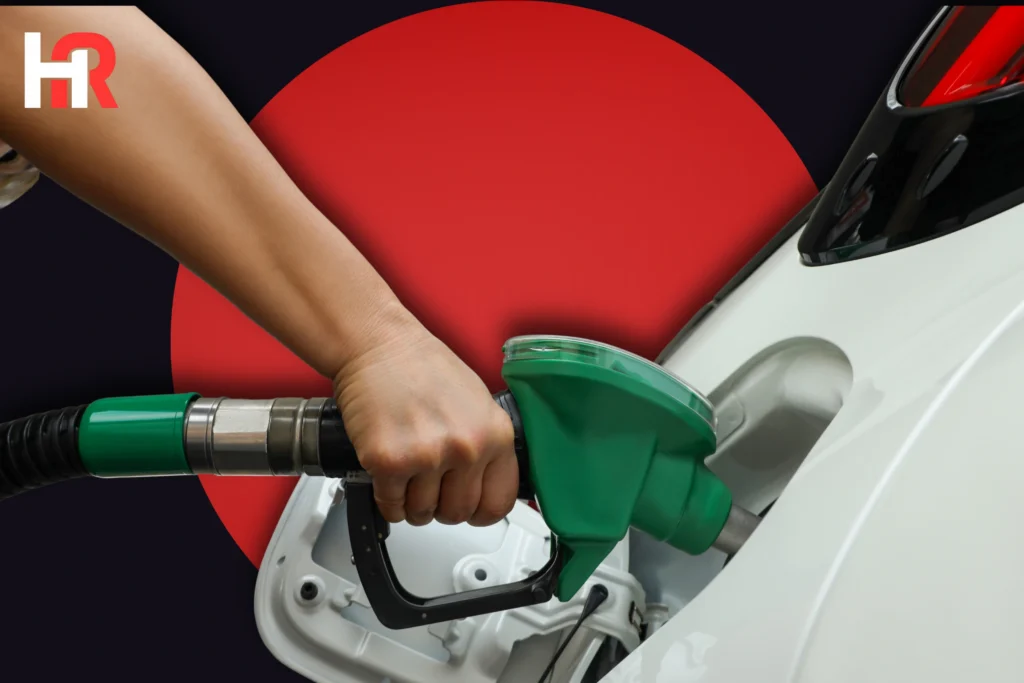
Pakistan petrol price reduction June 2026
In its latest weekly pricing review, the federal government has announced a reduction of Rs4 per litre in the price of petrol (Motor Spirit). Meanwhile, the rate for High-Speed Diesel (HSD) has been kept unchanged for the upcoming week ending June 12.
According to the official notification issued by the Ministry of Energy’s Petroleum Division, the revised ex-depot prices take effect immediately:
- Petrol (Motor Spirit): Decreased from Rs381.78 to Rs377.78 per litre.
- High-Speed Diesel (HSD): Maintained at Rs380.78 per litre.
While this fourth consecutive weekly reduction brings marginal relief to private transport owners and daily commuters, the formal petroleum supply chain continues to battle severe structural disruptions from the parallel black market.
Weekly Price Adjustment Breakdown
The current price configuration, highlights a strategic balancing act by federal authorities. While international oil price fluctuations have allowed the state to pass down successive structural reliefs for domestic petrol consumers, broader economic variables have frozen the cost matrix for commercial transport fuel.
The operational breakdown of the current fuel pricing dynamics includes:
- Relief for Commuters: The Rs4 per litre drop offers minor inflationary breathing room for motorbike owners and private vehicle commuters heavily reliant on motor spirit.
- Diesel Price Deadlock: Freezing HSD at Rs380.78 per litre means public transport fares and heavy freight logistical costs will remain stagnant, checking immediate drops in wholesale food and product transportation costs.
- Import Disruption Pressures: Oil Marketing Companies (OMCs) continue to alert regulatory boards that localized price drops fail to stimulate formal fuel sales as long as cheaper smuggled alternatives go unchecked.
Smuggling Epidemic Suffocating Formal OMCs
“Passing down successive drops in petroleum retail rates is a welcome consumer relief. However, the true crisis facing the national energy grid is structural—illicit cross-border fuel smuggling continues to drain tax revenues and erode the market share of tax-paying distributors.”
Energy ministry insiders note that despite dropping prices, total sales volumes for formal retail stations have trended downward across various border districts. Illicit fuel trade, primarily originating from neighboring regions, creates an artificial pricing mismatch that standard commercial dealers cannot legally compete against.
Headed into the upcoming fiscal budget planning cycle, industry leaders are aggressively lobbying the government to back its pricing mechanisms with strict border enforcement to protect formal corporate revenue blocks from institutional decay.
About The Author