Energy Trade Offers Key to Unlocking Pakistan-Iran Economic Ties, But Revival Hits Banking and Barter Hurdles

Despite fresh interest in expanding Pakistan-Iran economic ties, a series of structural and procedural obstacles continue to block meaningful progress. A recent multi-million-euro rice export deal that collapsed highlights the practical difficulties exporters face on the ground.
Barter Arrangements and Inspection Rules Derail Commercial Deals
A trading firm had lined up a Euro 18.675 million rice export contract with Iran’s Government Trading Corporation. The deal ultimately fell through because of the absence of formal banking channels and a rigid barter arrangement that linked rice payments to electricity imports.
Under the proposed structure, settlements were to be routed through Iran’s power utility TAVANIR and Pakistan’s Central Power Purchasing Agency. Transtrade Global CEO Hassan Ahmed said the added complexity turned a straightforward commercial transaction into a multi-layered arrangement.
Contracts were written in Persian, creating further communication and legal hurdles for Pakistani parties. The deal also required multiple rounds of inspection, with final mandatory clearance by an Iranian agency at Bandar Abbas port. This placed almost all the risk on the Pakistani exporter, as the cargo would already have left the country by the time of final approval.
Ahmed noted that it was unfortunate the government could not take a stronger position in support of its own exporter during the negotiations. Even within a barter framework, Pakistan could have pushed for removal of certain one-sided conditions that are rarely seen in normal trade agreements.
Banking Sanctions and Pipeline Delays Limit Near-Term Gains
The lack of formal banking channels remains the single biggest constraint on scaling up trade. International sanctions have kept Iran largely cut off from global financial systems, forcing reliance on complicated workarounds.
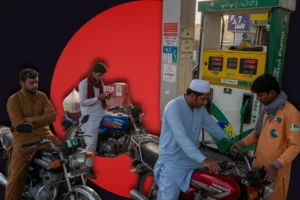
Analysts say the initial focus must remain on formalising existing informal trade, particularly in petroleum products. Only after basic operational and financial modalities are established can higher-value sectors expand.
The long-delayed Iran-Pakistan gas pipeline continues to face uncertainty. While it could eventually supply up to 750 million cubic feet of gas per day and ease Pakistan’s energy import bill, progress depends on sanctions easing plus fresh negotiations on pricing and contract terms.
Board of Investment discussions have highlighted the $10 billion long-term trade potential. However, KTrade’s Fawad Basir believes a more realistic near-term objective sits around $2 billion. Food items and border trade through the five identified crossing points offer the quickest wins.
Energy cooperation, once modalities are sorted, could deliver the largest economic impact for Pakistan by reducing costly imports and supporting industrial activity. Until then, exporters will continue to navigate high-risk environments and limited financial infrastructure.