Pre-Budget 2026-27: PCDMA Urges FBR to Reduce Compliance Burden and Cut GST to 16%.
Listen3 min
Read aloud by your device’s built-in synthetic voice, not a recording. Needs a browser that can read aloud.
Warning that a heavy compliance burden and aggressive auditing are actively driving formal taxpayers into the untaxed informal economy, the Pakistan Chemicals & Dyes Merchants Association (PCDMA) has formally submitted a sweeping list of pre-budget proposals to the Federal Board of Revenue (FBR) ahead of the presentation of the Federal Budget 2026-27.
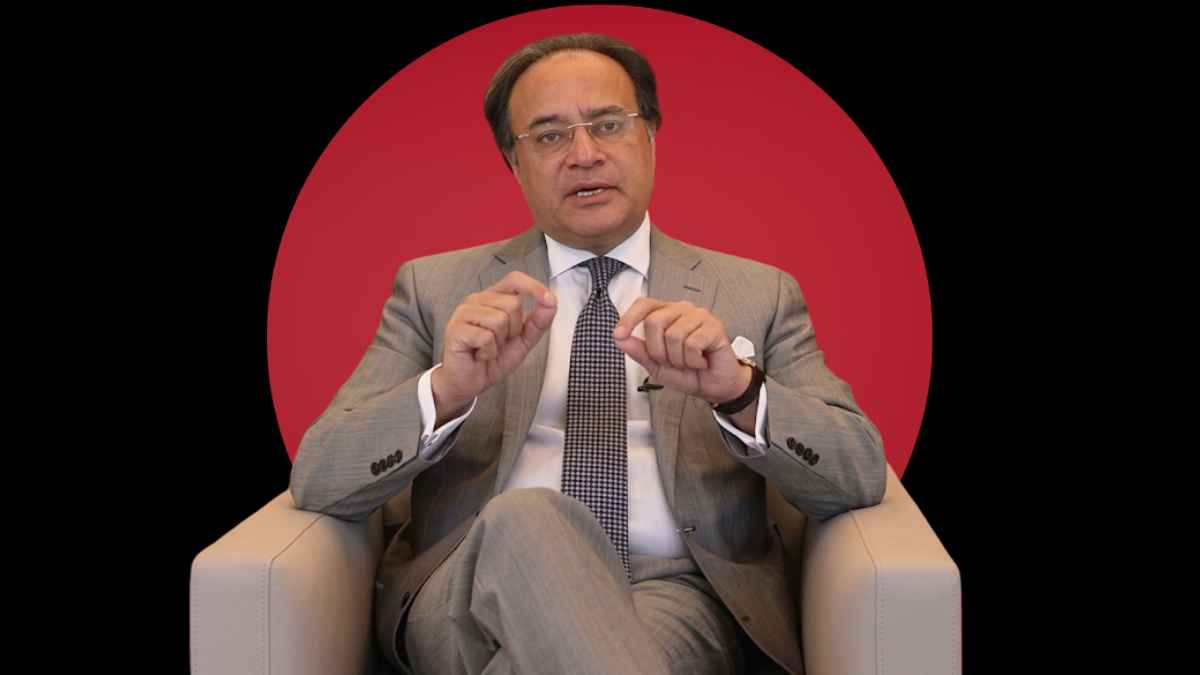
In a direct appeal to tax planners, PCDMA Chairman Salim Valimuhammad stated that while the majority of domestic business owners genuinely want to comply with tax laws, highly complicated procedures and a lack of official guidance mean that honest mistakes are frequently made. He cautioned that instead of using these errors to issue harsh notices and enforcement measures, the FBR must transition toward a facilitative, educational, and supportive framework to prevent choking the documented sector.
Key Fiscal Demands for Budget 2026-27
According to the official proposals outlined by the association, the commercial sector requires immediate structural breathing room to counter current macroeconomic headwinds.
The core fiscal adjustments demanded by the trade group include:
- Reduction of GST to 16%: Lowering the standard General Sales Tax rate to alleviate raw material cost pressures on manufacturing supply chains and reduce the working capital requirement for commercial importers.
- Reinstatement of the Final Tax Regime (FTR): Restoring the simplified FTR framework to insulate commercial businesses from excessive audit hassles, reducing systemic tax-related uncertainty.
- Mitigating the Compliance Drag: Streamlining digital filing procedures and minimizing direct human interaction during automated tax evaluations to eliminate arbitrary enforcement.
- Customs Valuation Reforms: Rationalizing customs duties and clearance valuations at import terminals to eliminate bottlenecks for essential chemicals and industrial dyes.
Preventing the Shift to the Informal Grid
“The widening gap between the documented and undocumented economies cannot be bridged by over-taxing the existing tax base. The revenue board must make compliance simpler and commercially viable rather than administratively penalizing.”
The association stressed that when formal commercial entities face high tax compliance costs and abrupt audits over technical mistakes, it acts as a strong disincentive for documentation. By lowering the GST barrier and offering a predictable fixed or final tax mechanism, the government can naturally incentivize tax base broadening, secure consistent industrial supply lines, and bolster revenue collection efficiency for the upcoming fiscal cycle.