
AgriTech Revolution: Iftekhar Ahmed Foods Partners with China’s Jingwa Center for Industrial Tomato Varieties.
Listen3 min
Read aloud by your device’s built-in synthetic voice, not a recording. Needs a browser that can read aloud.
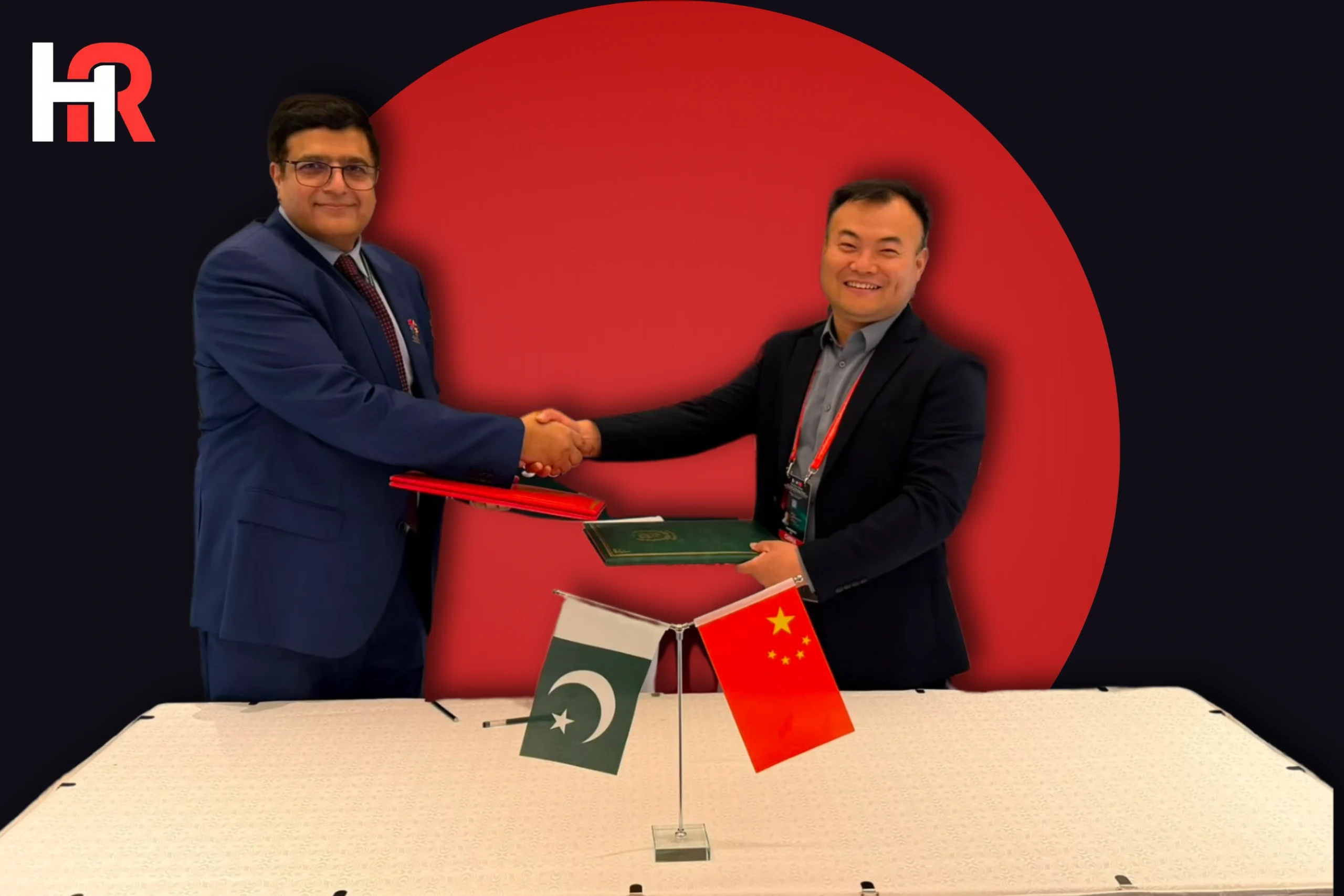
Spearheading an import substitution revolution in Pakistan’s agro-processing sector, the Beijing Jingwa Agricultural Science and Technology Innovation Center (Jingwa Center) and Iftekhar Ahmed Food & Beverages Pvt. Ltd. have signed a strategic Memorandum of Understanding (MoU).
The bilateral agreement aims to develop, test, and introduce advanced, high-quality tomato varieties engineered specifically for industrial processing within Pakistan. Signed in Hangzhou during the Pakistan-China B2B Investment Conference held on the sidelines of Prime Minister Shehbaz Sharif’s official state visit to China, the partnership marks a significant step forward in modernizing the country’s agricultural value chain.
Modernizing the Agro-Processing Industry
This joint venture is positioned under Phase-II of the China-Pakistan Economic Corridor (CPEC), which strongly emphasizes industrialization, technology transfer, and high-yield agricultural modernization.
Currently, Pakistan’s food processing industry relies heavily on imported tomato paste and concentrates due to the low pulp and high water content of indigenous table-variety tomatoes. The introduction of specialized industrial crops aims to fix this structural supply gap.
The primary operational targets outlined in the MoU include:
- Targeted Seed R&D: Researching and cultivating hybrid tomato seeds tailored to endure local climate patterns while offering high soluble solids content (Brix level) necessary for processing paste, ketchup, and sauces.
- Technology Transfer: Transferring advanced Chinese agritech cultivation practices, mechanical harvesting equipment setups, and precision farming frameworks to domestic growers.
- Sindh Farming Trials: Deploying extensive pilot farming blocks across fertile zones in Sindh to validate crop yields, water-use efficiency, and disease resistance before mass commercial rollouts.
- Import Substitution: Eliminating corporate reliance on foreign raw pulp imports, thereby retaining crucial foreign exchange reserves within the national treasury.
Shifting Focus to High-Yield Cash Crops
“Pakistan’s agricultural sector cannot scale by relying on outdated seed genetics and table crops for industrial outputs. Partnering with the Jingwa Center allows us to seed a localized supply ecosystem that elevates our farmers’ per-acre yield and provides our processing plants with premium, factory-ready raw material.”
The collaboration aligns closely with federal directives to turn signed bilateral MoUs into operational joint ventures. By bridging the gap between foreign scientific research and local corporate processing networks, the alliance aims to introduce a highly replicable smart-farming blueprint transforming the economic landscape for rural farming communities while making Pakistan’s value-added food exports globally competitive.

 Agriculture
 Agriculture
 Agriculture