
Neither Hurts Nor Heals: KCCI & BMG React to Federal Budget 2026-27, Citing Lack of Industrial Vision.
Listen5 min
Read aloud by your device’s built-in synthetic voice, not a recording. Needs a browser that can read aloud.
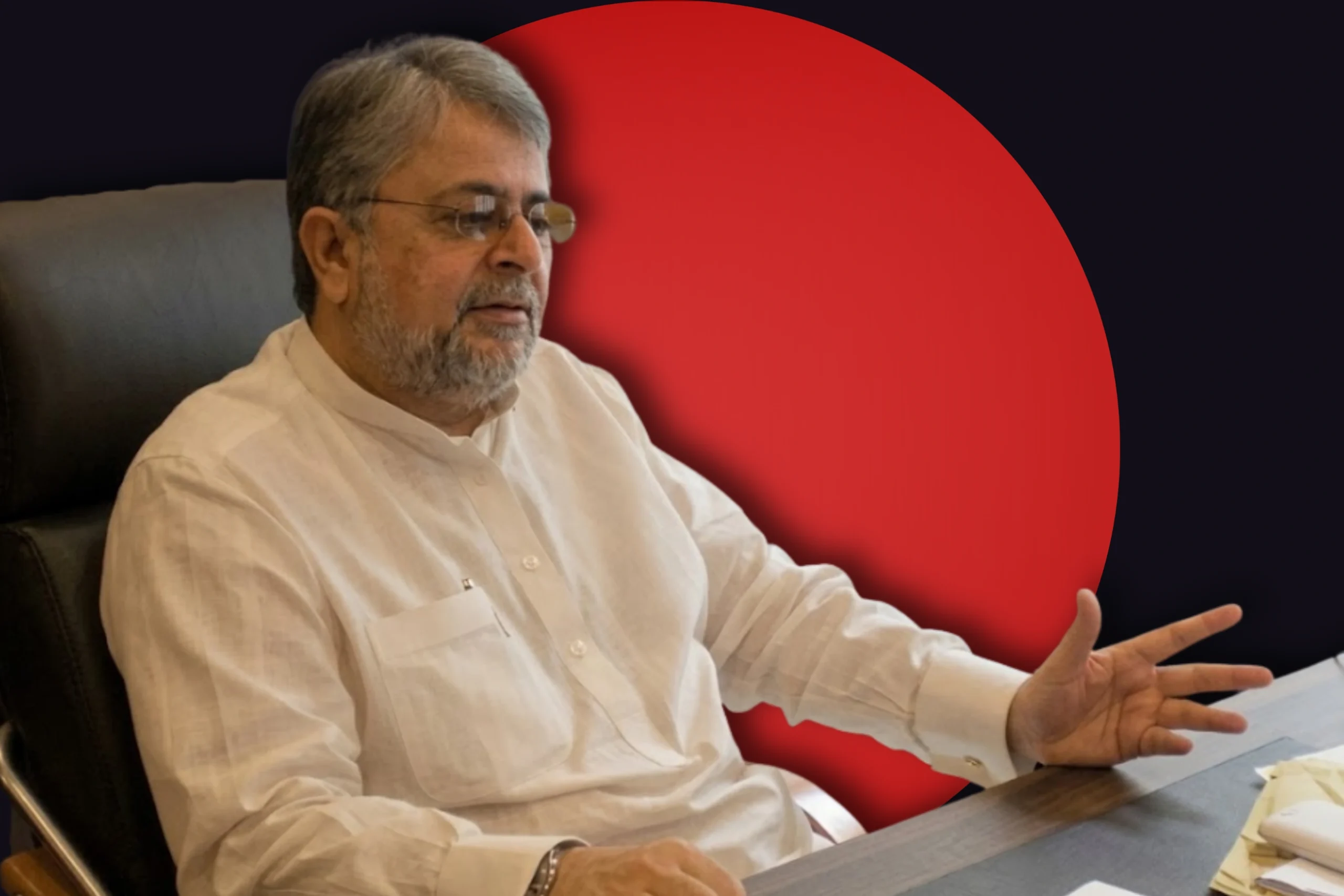
Chairman Businessmen Group (BMG) Zubair Motiwala, while terming the Federal Budget 2026-27 as “neither good nor bad”, observed that despite some positive measures, the overall budget lacks a clear strategy for export growth, industrial revival and economic expansion.
Addressing a press conference on Friday after the Finance Minister’s budget speech, Zubair Motiwala said that the economic indicators presented in the Economic Survey had raised expectations that the government would utilize the available fiscal space to provide meaningful support to exports and industry. However, the budget failed to offer any major incentive capable of accelerating exports and enhancing Pakistan’s competitiveness.
Vice Chairmen BMG Jawed Bilwani and Mian Abrar, Acting President Muhammad Raza, Vice President Muhammad Arif Lakhani, Former President Junaid Esmail Makda, Muhammad Idrees, Iftikhar Ahmed Sheikh, Chairman Federal Taxation Subcommittee Abu Bakar Shamsi and KCCI Executive Committee Members were also present on the occasion.
Expressing disappointment over the government’s decision regarding the Final Tax Regime (FTR), he said that the business community had strongly advocated restoration of a simple fixed tax regime for exporters in order to spare them unnecessary interaction with tax authorities and cumbersome documentation requirements. Instead of accepting this demand, the government reduced the withholding rate from two percent to 1.5 percent but converted it into a minimum tax, thereby forcing exporters to remain within the normal taxation system.
“This defeats the very objective of FTR. Exporters do not want additional complications and frequent dealings with tax authorities.
Chairman BMG, however, welcomed the reduction in Super Tax rates and the complete abolition of Super Tax for companies earning profits up to Rs500 million, describing it as a positive development and partial acceptance of a longstanding demand of the business community.
Pakistan already has one of the highest corporate tax burdens in the region and the continuation of Super Tax discourages industrial expansion and investment”, he added.
Zubair Motiwala regretted that the budget remained silent on one of the most pressing concerns confronting industry, namely the high cost of electricity and gas.
He pointed out that industries across Pakistan were operating below capacity and stressed that the country’s economic future depended entirely on export-led growth.
“Pakistan needs dollars and dollars can only come through exports. Exports will increase only when industries operate competitively. Without industrial growth, there can be no sustainable increase in revenues, no fresh investments and no meaningful economic progress”, he emphasized.
Chairman BMG questioned how the government expected to achieve a revenue target of Rs15 trillion and generate an additional Rs1.5 trillion without creating an enabling environment for businesses and industries.
He criticized the continued tendency to place additional burdens on existing taxpayers instead of broadening the tax base, stating that documented sectors were being subjected to increasing scrutiny while vast segments of the economy continued to remain outside the tax net.
Despite these concerns, Zubair Motiwala appreciated several measures announced in the budget, particularly the reduction in income tax rates for the salaried class, the relief provided to the construction and real estate sectors, continuation of concessions for electric vehicle kits and the government’s emphasis on automation and digitization of tax administration.
He also welcomed the establishment of a PRAL office in Karachi, describing it as a major achievement secured through the efforts of the Karachi Chamber of Commerce and Industry, which would spare taxpayers the inconvenience of travelling to Islamabad for routine matters.
Summing up his assessment, Chairman BMG stated that the budget was neither outright disappointing nor particularly encouraging.
“It is a budget which neither hurts nor heals. Some positive measures have been taken, but the absence of a comprehensive policy framework for exports, industrial growth and reduction in the cost of doing business means that much more needs to be done if Pakistan is to achieve sustainable economic stability and self-reliance”, he concluded, adding that the business community would conduct a detailed review of the Finance Bill and present its recommendations in writing in the coming days.