Pakistan Exporters Urge New Trade Deals To Compete With India, Bangladesh
Listen4 min
Read aloud by your device’s built-in synthetic voice, not a recording. Needs a browser that can read aloud.
✧ GENERATE BRIEFING
Federal Minister for Commerce Jam Kamal Khan led a high-level consultative session in Islamabad on Wednesday, October 21, 2026, bringing together leaders across export-oriented industries, trade associations, and senior federal officials. Pakistani exporters urged the Ministry of Commerce to secure improved bilateral trade agreements and preferential market access to level the playing field with regional competitors—specifically India and Bangladesh—in major Western and regional markets. Key structural issues, sector-specific bottlenecks, and policy responses include: Cost Competitiveness & Energy Expenses: Exporters cited compounding operational headwinds including high industrial energy tariffs, the captive power gas levy, provincial infrastructure levies, delayed tax/sales tax refunds, business visa restrictions, and shipping/port delays. Financing & Credit Guarantees: Trade representatives welcomed the newly rolled-out financing and risk mitigation schemes offered by the Export-Import (EXIM) Bank of Pakistan as critical tools to expand into emerging non-traditional export destinations.
Pakistani exporters have called on the government to explore improved bilateral trade arrangements and expand access to international markets where India and Bangladesh enjoy preferential trade advantages, as businesses face growing pressure to remain competitive.
The proposals were discussed during a meeting between Federal Minister for Commerce Jam Kamal Khan and exporters, industrialists and business representatives at the Ministry of Commerce, according to an official statement issued on Wednesday.
Operational Hurdles and Logistics Disruptions
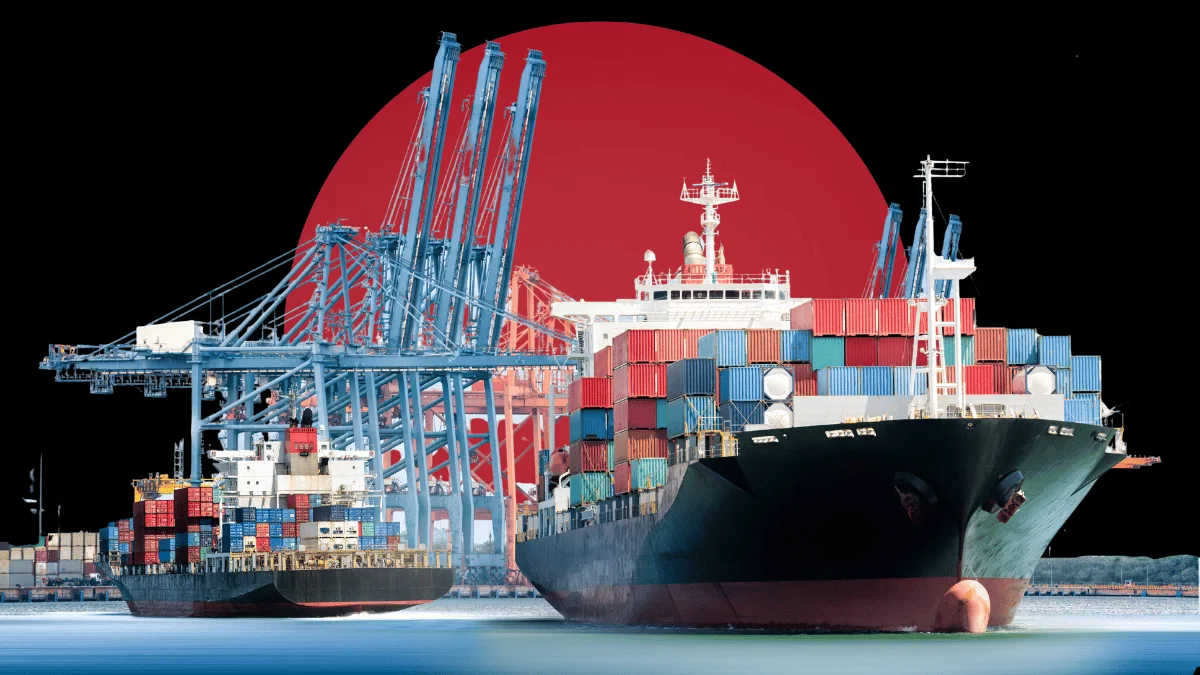
Participants highlighted a range of challenges affecting export performance, including international shipping delays, port-related difficulties, outstanding tax refunds, energy expenses and banking regulations. They also recommended greater flexibility in payment settlement periods to help businesses manage disruptions in global logistics.
Business representatives urged the government to examine markets where regional competitors benefit from preferential trade arrangements and consider measures that could improve Pakistan’s position in those destinations.
Participants also raised issues involving business visas, international compliance requirements and delays in processing refunds, which they said added to the operational difficulties faced by exporters.
Energy Tariffs, Tax Levies, and Financing Schemes
High production expenses remained another major concern during the meeting. Industry representatives pointed to energy costs, the captive power gas levy and provincial infrastructure levies as factors affecting business operations.
Officials from the Petroleum Division provided explanations regarding the gas levy mechanism, while representatives sought solutions to the wider cost pressures confronting export-oriented industries.
Exporters also discussed access to financing and welcomed the Export-Import (EXIM) Bank of Pakistan’s financing scheme as a potentially useful measure for businesses seeking to expand into international markets.
Meat Board, Mining Explosives, and Surgical Modernization
Representatives from the meat and livestock industry highlighted foot-and-mouth disease, international sanitary and phytosanitary (SPS) requirements, border restrictions and difficulties accessing Gulf markets.
In response, Jam Kamal said Prime Minister Shehbaz Sharif was taking an active interest in livestock development, including disease control, investment, breeding improvements and value-added exports. The meeting was also informed of plans for a dedicated, private-sector-led livestock board.
Meanwhile, mineral exporters raised concerns about restrictions on mining explosives and withholding taxes. Representing the surgical instruments industry, Qaiser Saleem Shabbir called for technological upgrades, a skilled workforce, greater industrial investment and modernisation to improve global competitiveness.
Inter-Ministerial Review and Direct Prime Minister Engagement
Officials from the Federal Board of Revenue (FBR) briefed participants on measures aimed at improving tax refund processing and digital invoicing. Exporters nevertheless highlighted outstanding refunds and other administrative hurdles that continue to affect business operations.
Federal Minister for Maritime Affairs Muhammad Junaid Anwar Chaudhry participated virtually, alongside Minister of State for Finance and Revenue Bilal Azhar Kayani, Coordinator to the Prime Minister on Commerce and Industries Rana Ihsaan Afzal Khan, relevant ministry secretaries and other senior officials.
Concluding the meeting, Jam Kamal said the Ministry of Commerce would consolidate sector-specific and cross-cutting concerns and seek responses from the relevant ministries to develop practical recommendations for consideration by the prime minister.