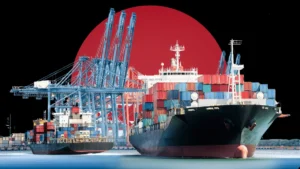
Commerce Ministry To Compile Exporters’ Issues For PM Shehbaz Consideration
Listen4 min
Read aloud by your device’s built-in synthetic voice, not a recording. Needs a browser that can read aloud.
✧ GENERATE BRIEFING
Federal Minister for Commerce Jam Kamal Khan announced on Wednesday, October 21, 2026, that the Ministry of Commerce will consolidate cross-cutting and sector-specific export bottlenecks into a formal policy matrix. The recommendations, incorporating official responses from relevant ministries, will be submitted directly to Prime Minister Shehbaz Sharif for executive intervention. Key inter-ministerial commitments, financial tools, and strategic directives include: Inter-Ministerial Framework: The consultation featured active participation from Minister of State for Finance and Revenue Bilal Azhar Kayani, Federal Minister for Maritime Affairs Muhammad Junaid Anwar Chaudhry (participating virtually), and PM Coordinator on Commerce and Industries Rana Ihsaan Afzal Khan to coordinate fiscal, logistics, and port policies. Financing & Liquidity Mechanisms: Exporters endorsed the operationalization of the Export-Import (EXIM) Bank of Pakistan’s trade credit and insurance schemes. Concurrently, the Federal Board of Revenue (FBR) briefed stakeholders on digital invoicing and expedited sales tax refund mechanisms.
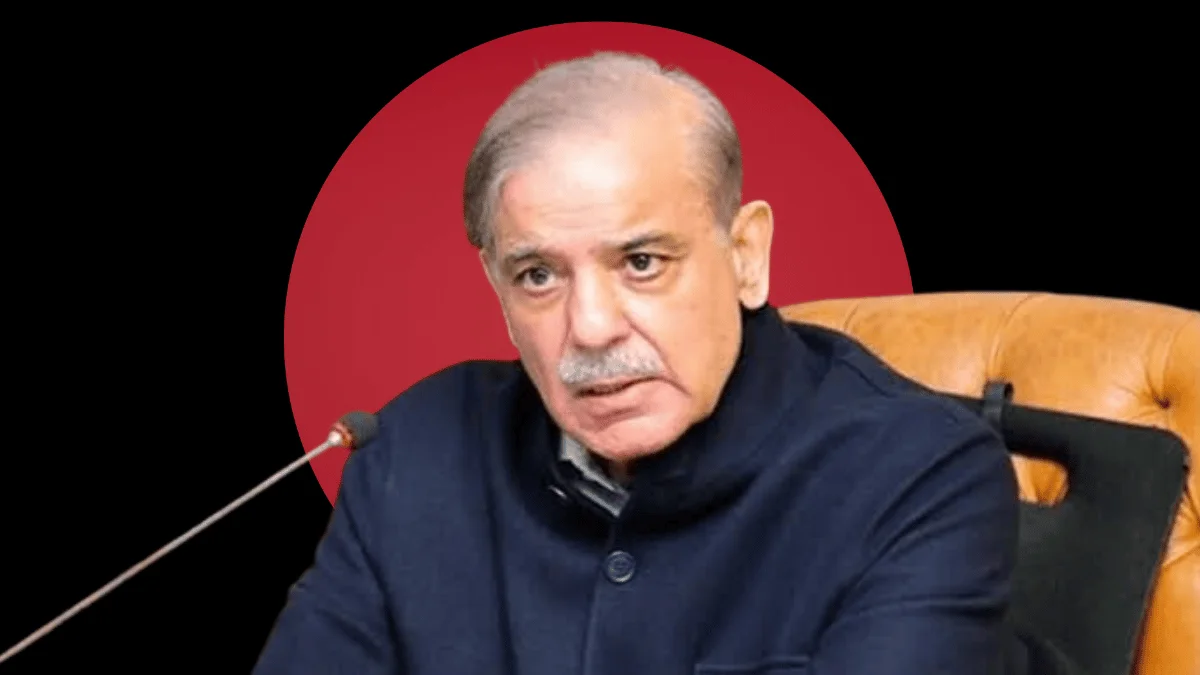
Pakistan’s Ministry of Commerce will compile industry-specific and broader business concerns raised by exporters and seek responses from relevant government departments before submitting practical recommendations for the prime minister’s consideration.
The decision followed a high-level consultation chaired by Federal Minister for Commerce Jam Kamal Khan, bringing together exporters, industrialists, business representatives and senior government officials to discuss obstacles affecting the country’s export performance.
According to the Press Information Department (PID), the discussions covered export financing, rising energy and production costs, taxation, international shipping delays, port facilitation and access to foreign markets. The government said it intends to strengthen coordination between ministries and industry stakeholders to develop actionable solutions.
Export Financing and Industrial Costs Under Review
Business representatives welcomed the Export-Import (EXIM) Bank of Pakistan’s financing scheme, describing it as a positive step towards improving access to funding for businesses seeking to expand their international operations.
However, exporters raised concerns about energy expenses, the captive power gas levy, provincial infrastructure levies and other production costs that affect the competitiveness of Pakistani goods in international markets.
Petroleum Division officials provided clarification regarding the gas levy mechanism during the meeting. Participants also highlighted delays in international shipping, port-related difficulties, outstanding tax refunds and banking regulations, including a need for greater flexibility in payment settlement periods amid global logistics disruptions.
Officials from the Federal Board of Revenue (FBR) briefed participants on measures intended to improve tax refund processing and digital invoicing.
Government Examines Trade and Market Access
The consultation also addressed Pakistan’s position against regional competitors. Participants recommended examining international markets where India and Bangladesh benefit from preferential trade arrangements and exploring opportunities for improved bilateral trade terms.
Commerce Minister Jam Kamal Khan emphasised export diversification, the promotion of value-added products and expansion into new international markets. He also acknowledged that transportation expenses, energy prices, taxation and changing global trade conditions were creating challenges for exporters.
The discussions were intended to identify practical responses rather than limit the consultation to general observations about business difficulties.
Meat, Minerals and Surgical Instruments Face Sector-Specific Issues
Representatives of the meat and livestock industry highlighted foot-and-mouth disease, international sanitary requirements, border restrictions and barriers to accessing Gulf markets.
Jam Kamal informed participants that Prime Minister Shehbaz Sharif was taking an active interest in livestock development, including disease control, investment, breeding improvements and value-added exports. The meeting also discussed plans for a dedicated livestock board led by the private sector.
Meanwhile, mineral exporters raised concerns over restrictions on mining explosives and withholding taxes. Representatives of the surgical instruments industry called for technological improvements, skilled workers, additional investment and industrial modernisation to strengthen the sector’s international competitiveness.
Recommendations to Be Developed for the Prime Minister
Minister of State for Finance and Revenue Bilal Azhar Kayani stressed the importance of systematically documenting exporters’ concerns and obtaining responses from the relevant departments.
Maritime Affairs Minister Muhammad Junaid Anwar Chaudhry participated virtually, alongside other senior officials and representatives of relevant ministries.
Concluding the consultation, Jam Kamal said the Ministry of Commerce would consolidate the issues raised by individual sectors and those affecting exporters more broadly. The recommendations will be developed with input from the concerned departments for consideration by the prime minister.
The consultation reflects the government’s stated intention to improve coordination with the private sector and address barriers to export growth. However, specific policy changes, implementation deadlines and final decisions on the proposals have yet to be announced.