
Pakistan’s Government Debt Reaches Rs 82 Trillion Amid Institutional Gaps in Debt Oversight.


Serious institutional gaps in fiscal oversight and public debt management have drawn sharp focus as the federal government’s total debt stock accumulated to a record Rs 82 trillion by the end of May 2026.
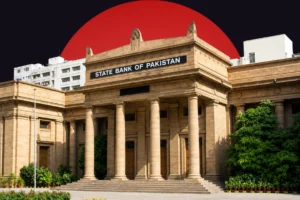
The updated statistics from the State Bank of Pakistan (SBP) have surfaced alongside critical analytical findings from the Auditor General of Pakistan (AGP) regarding budget controls, structural accounting anomalies, and leadership deficits within the country’s primary debt management bodies.
AGP Report Exposes Major Anomalies in Principal Repayments
An audit report released by the AGP for the fiscal year 2024-25 has flagged a significant Rs 1.83 trillion structural discrepancy in principal loan repayment records.
The audit detailed a volatile series of budgetary changes and accounting entries throughout the fiscal year:
- The federal government originally budgeted Rs 24 trillion for principal debt repayments.
- Supplementary grants later augmented this allocation by Rs 2.64 trillion.
- The executive subsequently surrendered Rs 2.8 trillion back to the exchequer.
- Despite these reductions, actual year-end expenditure under this head surged to Rs 25.8 trillion.
The AGP noted that this substantial expenditure mismatch directly breached the parameters of the state’s Financial Reporting Manual. The report strongly recommended that the Ministry of Finance reinforce its internal data controls and establish accurate baseline assessments for actual borrowing requirements to prevent recurring reconciliation gaps. Furthermore, the audit criticized the persistent failure to compile monthly “Debt and Losses” reports, a lapse that limits comprehensive real-time analysis of the national balance sheet and undermines overall fiscal transparency.
Leadership Vacuum Persists at Debt Management Office
Compounding the data discrepancies is an ongoing structural leadership vacuum at the federal level. The Debt Management Office (DMO)—the specialized cell responsible for structuring government debt strategies—has operated without a permanent Director General since January 2026.
As of July 2026, the critical role has remained vacant for six consecutive months. The state agency currently functions with only one permanent director on its roster. To bridge operational requirements, the ministry has assigned additional look-after charges to a domestic debt consultant and a risk assessment expert.
This prolonged ad-hoc leadership structure persists despite formal governance structural reform commitments previously made by Pakistan to international lenders, including the IMF and the World Bank.
The Senate Standing Committee on Finance formally questioned the ministry regarding the vacant post during its parliamentary session in May 2026, where finance advisors indicated that shortlisting was underway without providing a definitive appointment timeline. The Prime Minister’s Office has also reportedly sought detailed explanations from the division following national media reports on the regulatory pause.
Market analysts note that the dual pressure of an expanding domestic short-term debt portfolio—which has seen a 32 percent uptick in short-term domestic stock—and diluted institutional leadership substantially escalates national fiscal risks. Restoring long-term credibility with international and domestic stakeholders will rely heavily on filling executive vacancies and standardizing transparent public debt disclosures.
 Pakistan
 Pakistan
 Pakistan