Coca-Cola Foundation Partners with UNOPS and ILO to Invest $500,000 in Islamabad’s Plastic Bottles Recycling and Decent Work.

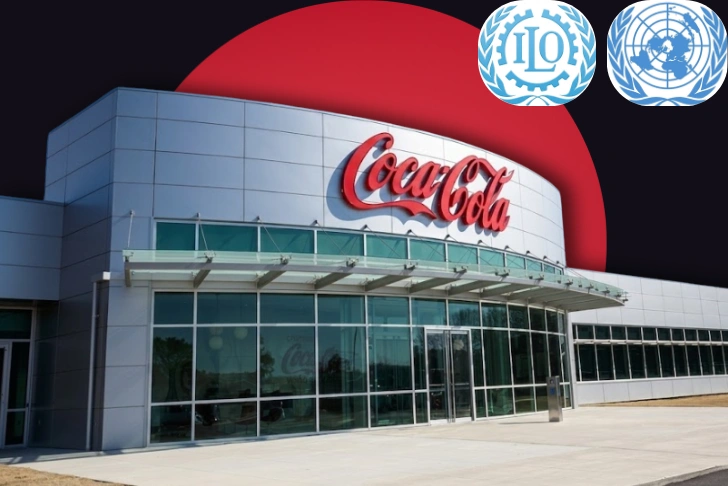
The Coca-Cola Foundation has partnered with the United Nations Office for Project Services (UNOPS) and the International Labour Organization (ILO) on a landmark pilot project that demonstrates the power of cross-sector collaboration. The USD 500,000 joint investment specifically targets polyethylene terephthalate (PET) plastic recycling improvements and the promotion of decent work conditions within Islamabad’s informal waste value chain. This structural initiative comes at a critical juncture when sustainable practices are gaining rapid priority within national environmental strategies.
Fostering Multi-Stakeholder Engagement
The launch phase kicked off with an intensive inception workshop that brought together key government bodies, UN agencies, and informal worker representatives. Minister of State Dr. Shezra Mansab attended the event as the chief guest, reaffirming the federal government’s commitment to circular economy goals and praising the collaborative effort. These unified platforms are designed to enable collective problem-solving to tackle historical waste management bottleneck challenges across the capital territory.
Corporate Role in Driving Environmental Responsibility
By funding this targeted project, the Coca-Cola Foundation is actively supporting Extended Producer Responsibility (EPR) frameworks. This multi-million rupee investment reflects a growing corporate focus on environmental sustainability that goes far beyond standard regulatory compliance. The structured layout of this pilot project sets a highly replicable, practical example for other manufacturing and fast-moving consumer goods (FMCG) businesses operating across Pakistan.
Focus on Inclusive Green Growth
The project directly prioritizes occupational safety, health standards, and sustainable livelihood improvements for informal waste pickers who form the backbone of the local recycling trade. Technical sessions during the launch highlighted several real-world constraints in the existing collection ecosystem:
- Formalization: Integrating informal waste pickers into documented municipal frameworks to yield both social and economic dividends.
- Safety Net: Providing personal protective equipment (PPE) and occupational safety training to minimize health hazards.
- Supply Chain Transparency: Streamlining the collection pipeline to ensure fair wages and better pricing structures for retrieved plastic components.
Building a Scalable National Model
Pakistan’s massive annual plastic waste volume of nearly two million tonnes demands urgent, localized action.
This Islamabad-centric pilot is designed to pave the way for broader national recycling infrastructure development and data-driven policy reforms. By successfully aligning corporate capital with UN execution capabilities and state oversight, this tri-sector partnership could significantly accelerate green investments and green job creation nationwide.
 Pakistan
 Pakistan
 Pakistan