Government Weighs Daily Oil Price Reviews Amid Strait of Hormuz Tensions.

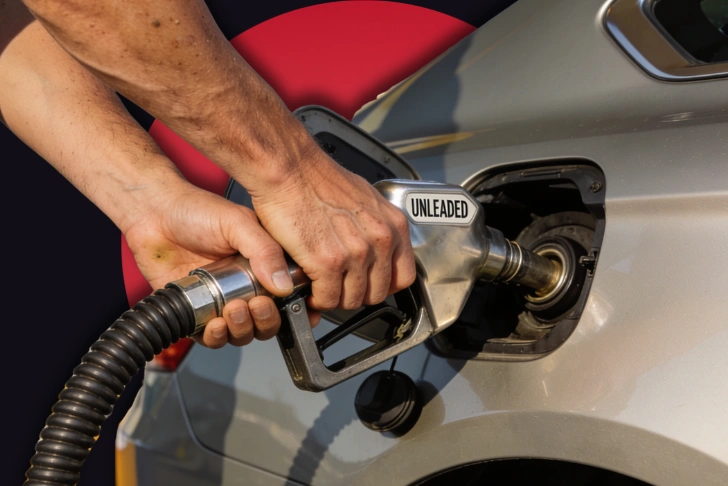
The federal government is weighing plans to shift domestic oil price revisions to weekly or daily intervals. The policy shift is being considered in response to renewed tensions in the Strait of Hormuz and the associated volatility in global energy markets.
The proposal was a primary agenda item during the fourth meeting of the prime minister-constituted petroleum pricing committee held on Monday, which focused on aligning Pakistan’s domestic fuel pricing mechanisms with international best practices.
Aligning with Global Realities
To navigate the ongoing market instability, Petroleum Minister Ali Pervaiz Malik highlighted the urgent need to operationalize a newly established petroleum stabilization fund. He stressed that the fund must function under strict, rule-based guidelines to prevent political interference and ensure that price relief is directly passed on to consumers.
A detailed study presented by consultancy firm KPMG outlined both the operational benefits and structural challenges of implementing high-frequency price reviews.
- Agile Price Discovery: Shifting to daily or weekly revisions would prevent massive fortnightly price shocks for consumers by absorbing global changes gradually.
- Mitigating Supply Risks: Frequent adjustments protect oil marketing companies (OMCs) and dealers from holding high-priced inventory during sudden international market drops.
The Hormuz Threat and Price Pressures
The Strait of Hormuz remains the world’s most critical oil transit chokepoint, and current US-Iran tensions have raised fears of potential maritime disruptions. Analysts warn that continued escalation could push global crude oil prices past $150 per barrel.
Pakistan has already felt the preliminary heat of these geopolitical shifts, with recent domestic petrol and diesel prices jumping by approximately Rs. 14 per litre. While Pakistan’s fuel prices remain highly competitive within the South Asian region, the committee noted that the economy requires highly agile policy tools to absorb future external shocks.
Key Committee Recommendations
To protect the local energy supply chain and enhance transparency, the petroleum pricing committee recommended several immediate actions:
- Public Platts Data: The Oil and Gas Regulatory Authority (OGRA) should regularly publish daily international Platts oil pricing data to maintain complete public transparency.
- Stabilization Fund Rules: Draft clear, legally binding funding and disbursement rules for the stabilization fund before its launch.
- Refinery Policy Amendments: Introduce targeted amendments to the national Refinery Policy to increase domestic diesel production, thereby reducing the country’s reliance on expensive refined imports.
- Supply Chain Digitization: Implement digital tracking across the entire oil supply chain to monitor inventory levels in real-time and prevent artificial hoarding.
Representatives from the Ministry of Finance, OGRA, Pakistan State Oil (PSO), and other key energy sector stakeholders participated in the session. The committee is set to refine these proposals in its final upcoming session to submit a definitive, actionable policy roadmap directly to the Prime Minister.
 Pakistan
 Pakistan
 Pakistan