EU Introduces New rules to stop the destruction of unsold clothes and shoes enter into application, fostering the EU circular economy

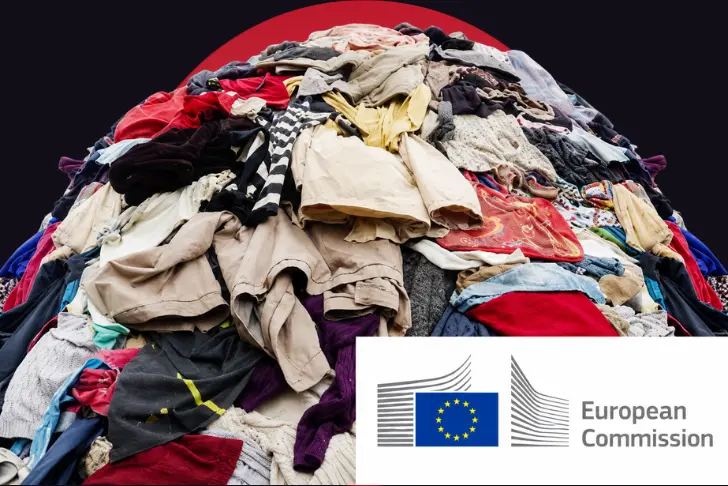
On Sunday, 19 July, new rules banning the destruction of unsold apparel, clothing accessories and footwear under the Ecodesign for Sustainable Products Regulation (ESPR) will enter into application for large companies. Medium-sized companies are expected to follow in July 2030. By promoting reuse and recycling, these rules will support a more rational use of resources, reduce environmental damage and create a level playing field for companies. As a result, the textile sector can move faster towards more circular practices.
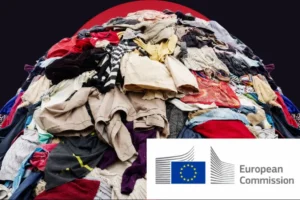
Every year in Europe, an estimated 4-9% of unsold textiles are destroyed before ever being worn. This waste generates around 5.6 million tonnes of CO2 emissions. The ESPR, which entered into force in July 2024, aims to significantly improve the sustainability of products placed on the EU market by improving their circularity, energy performance, recyclability and durability. The ban of destruction of unsold textiles is one of the first concrete measures under the ESPR. The law also requires companies to disclose information on the unsold consumer products they discard as waste, in the simplest possible way without adding extra administrative burden. This responds to consumers’ growing concerns about textile waste due to the environmental and social impacts of fast fashion.
Under the new rules, companies will have to prioritise keeping products in use by selling them, donating them to charities or social enterprises, or preparing them for reuse. Destruction will only be allowed under specified circumstances and must be carried out in line with the waste treatment hierarchy. In February 2026, the Commission already adopted measures to clarify under which circumstances this destruction will be permitted – for instance, due to safety reasons or product damage.