SpaceX shares slip as lock-up expiry fuels selling concerns
Listen2 min
Read aloud by your device’s built-in synthetic voice, not a recording. Needs a browser that can read aloud.
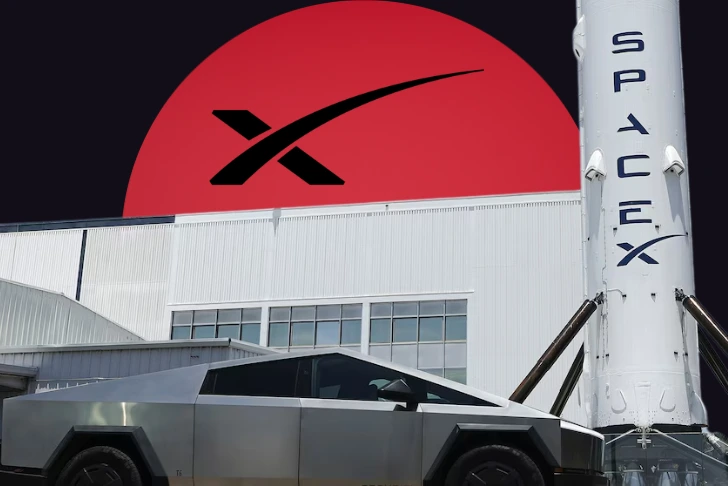
SpaceX shares came under renewed pressure on Thursday as the expiry of the company’s first post-initial public offering (IPO) lock-up period heightened concerns over potential insider selling, adding to the stock’s recent struggles despite the company’s strong long-term growth outlook.
The expiration of the lock-up allows early investors and employees to sell up to 20% of their restricted holdings for the first time since SpaceX’s blockbuster market debut in June. While insiders are under no obligation to sell, investors fear that a significant increase in tradable shares could create additional downward pressure on the stock and increase market volatility.
SpaceX shares have lost more than 25% of their value since the IPO and have traded below their listing price of $135 for the past three weeks. The stock’s decline follows an early surge that briefly pushed the company’s market valuation close to $3 trillion, making it one of the world’s most valuable publicly traded companies.
Market analysts said investor sentiment has weakened in recent weeks due to concerns over the company’s heavy spending on artificial intelligence infrastructure, including advanced data centres and specialised chips. Although SpaceX reported solid financial results, rising investment costs have raised questions about near-term profitability, prompting some investors to adopt a cautious approach.
Analysts noted that the lock-up expiry does not necessarily mean insiders will immediately sell their shares. However, the prospect of a larger public float is expected to keep the stock volatile in the coming weeks. Investors will closely monitor insider trading activity as an indicator of confidence in the company’s long-term prospects.
Despite the recent decline, many analysts remain optimistic about SpaceX’s long-term growth potential, citing its leadership in space technology, satellite communications and artificial intelligence. They believe that while short-term volatility may persist, the company’s future performance will ultimately depend on its ability to translate ambitious investments into sustained revenue and earnings growth.