
Experts Call For Ethical, Community-Led Response As Child HIV Cases Rise In Pakistan.
Listen4 min
Read aloud by your device’s built-in synthetic voice, not a recording. Needs a browser that can read aloud.
✧ GENERATE BRIEFING
The Centre of Biomedical Ethics and Culture (CBEC) at SIUT, in collaboration with WHO-EMRO, held a seminar titled "Nothing about Us, Without Us: Ethical Responses to the Evolving HIV Epidemic in Pakistan" on August 18, 2026. The event addressed Pakistan's rapidly escalating HIV epidemic—particularly the sharp rise in cases among children aged 0–14, which surged from 530 in 2010 to around 1,800 in 2023.Featuring national and international experts including Prof. Elizabeth Bukusi (Kenya), Dr. Muhammad Shahid Jamil (WHO-EMRO), and Dr. Samreen Sarfaraz (Indus Hospital), the seminar underscored that clinical care must be complemented by infection prevention, protected patient rights, stigma reduction, and active community participation. The seminar was attended by representatives from different sectors, including health journalists and civil society organizations working on HIV-related issues, such as UNOPS, Nai Zindagi Trust Sindh, and Bridge Consultants Foundation. They contributed their perspectives and experiences to the discussion.
The Centre of Biomedical Ethics and Culture (CBEC) of the Sindh Institute of Urology and Transplantation (SIUT) organized a one-day seminar to examine the growing HIV epidemic in Pakistan, with a particular focus on the increasing number of children affected by the disease.
Titled “Nothing about Us, Without Us: Ethical Responses to the Evolving HIV Epidemic in Pakistan: Regional and Global Implications,” the seminar was organized in collaboration with the World Health Organization (WHO) Eastern Mediterranean Region. It brought together national and international health experts, healthcare professionals, bioethicists, public health specialists, journalists, and civil society representatives to discuss the medical, social, and ethical challenges surrounding HIV in Pakistan.
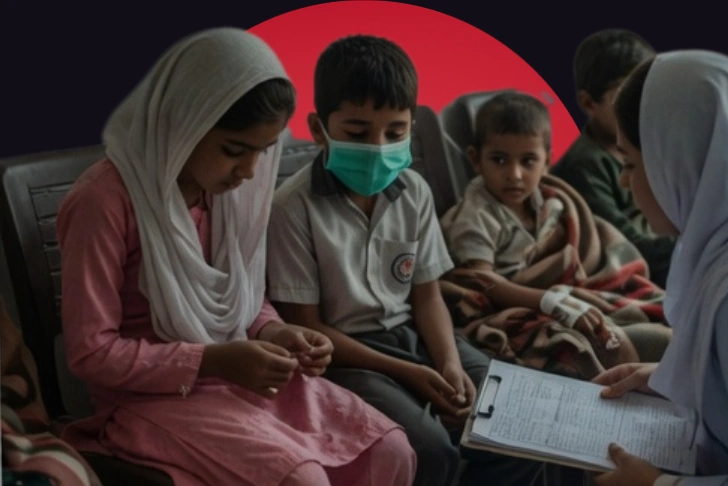
The discussion was particularly significant as Pakistan is experiencing a rapidly growing HIV epidemic, with children increasingly among those affected. According to WHO reporting, new HIV cases among children aged 0–14 years increased from 530 in 2010 to around 1,800 in 2023.
The session began with welcome addresses by Professor Aamir Jafarey, Chairperson of CBEC, and Dr. Arshad Altaf of WHO-EMRO. The keynote address was delivered online by Professor Elizabeth Bukusi from Nairobi, Kenya.
Professor Bukusi shared lessons from the African experience of responding to HIV in resource-limited settings. She highlighted the importance of strengthening healthcare systems, improving access to treatment, and ensuring that communities affected by HIV are meaningfully involved in efforts to control the epidemic.
This was followed by a presentation from Dr. Muhammad Shahid Jamil of WHO-EMRO, who discussed the HIV response across the Eastern Mediterranean Region. He highlighted common challenges faced by countries in the region and the opportunities for greater cooperation and stronger public health responses.
Dr. Samreen Sarfaraz of Indus Hospital and Health Network presented an overview of the HIV situation in Pakistan. She discussed common misconceptions about the disease, changing patterns of HIV among children and key populations, healthcare-associated transmission, stigma, and delayed diagnosis. She also highlighted the difficulties faced by patients and their families in accessing appropriate care and support.
The speakers noted that the HIV challenge extends beyond medical treatment. Fear, misinformation, stigma, and a lack of trust can discourage people from seeking testing and care. Therefore, protecting the rights, dignity, and privacy of people living with HIV is essential to an effective public health response.
The seminar stressed that scientific and medical advances must be supported by safe and accountable healthcare systems, wider access to testing and treatment, stronger infection prevention measures, and greater community participation. The theme, “Nothing about Us, Without Us,” further emphasized that patients, families, and affected communities should have a meaningful voice in decisions and policies concerning their health.
The seminar was attended by representatives from different sectors, including health journalists and civil society organizations working on HIV-related issues, such as UNOPS, Nai Zindagi Trust Sindh, and Bridge Consultants Foundation. They contributed their perspectives and experiences to the discussion.
The Centre of Biomedical Ethics and Culture (CBEC), SIUT, works to promote education, research, and policy dialogue in bioethics and to encourage ethical approaches to healthcare and public health. The Centre was designated a WHO Collaborating Centre for Bioethics in 2017 and continues to contribute to the development of ethical healthcare practices in Pakistan and internationally.
The seminar concluded with a shared understanding that addressing the HIV challenge requires a comprehensive approach combining quality medical care, public awareness, ethical healthcare practices, equal access to services, and respect for the rights and dignity of people living with HIV.
For further context on how community engagement and testing serve as core pillars of the national strategy, see Pakistan’s official statement on the HIV response. This video is relevant as it provides the government’s official perspective at the UN General Debate regarding community-led interventions and voluntary testing strategies to curb Pakistan’s HIV epidemic.