Pakistan Targets Rice, Textiles & Pharma to Drive Global Export Growth.
✧ GENERATE BRIEFING +
Federal Minister for Commerce Jam Kamal Khan directed the Ministry of Commerce’s Foreign Trade Wings (FTW) to formulate country-specific action plans to drive export growth. Focusing on high-potential sectors—including rice, textiles, pharmaceuticals, processed food, and light engineering—the initiative aims to expand export destinations beyond traditional markets, tackle non-tariff barriers, and streamline international trade logistics. The ministry's strategic shift emphasizes evaluating existing bilateral trade agreements, clearing backlogs in Joint Trade Committees (JTCs), and resolving banking and freight constraints to align diplomatic trade missions directly with commercial output.
Federal Minister for Commerce Jam Kamal Khan has instructed the Ministry’s Foreign Trade Wings (FTW) to formulate country-specific action plans designed to unlock new export markets and accelerate trade growth. The directive follows a performance review of Pakistan’s trade missions and bilateral commercial agreements.
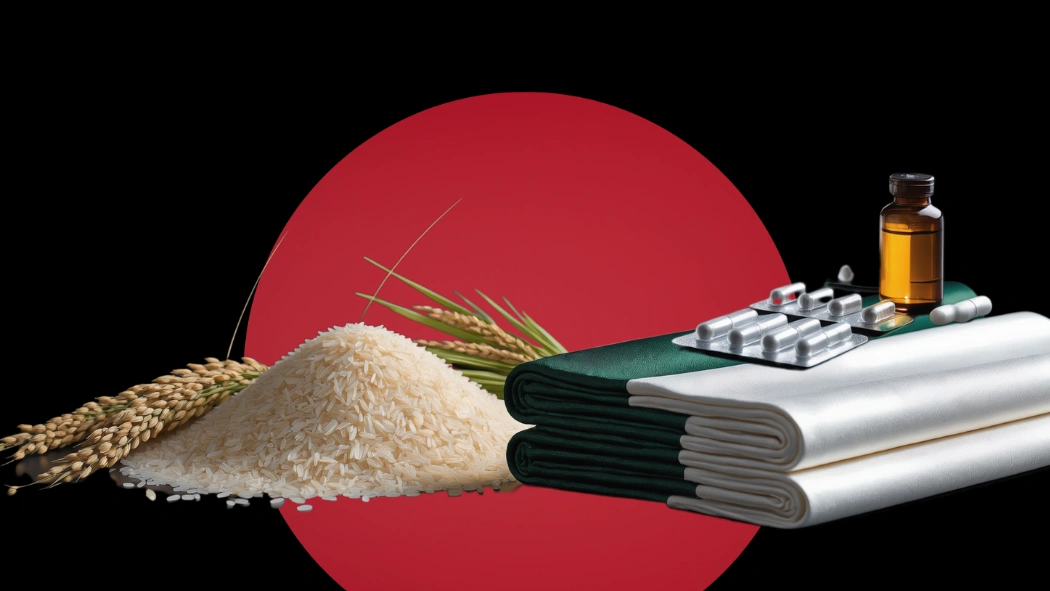
The strategic directive prioritizes high-yield traditional export items—such as rice, textiles, and agricultural commodities—alongside value-added sector expansion into pharmaceuticals, processed foods, light engineering goods, and services
Action Plans & Market Access Execution
Under the minister’s directive, overseas Trade and Investment Officers (TIOs) and Foreign Trade Wings must establish country-by-country frameworks that address operational bottlenecks:
- Product Prioritization: Matching Pakistan’s industrial surplus directly with market demand across emerging trade corridors.
- Barrier Mitigation: Identifying and resolving non-tariff barriers, unfavorable quota allocations, complex phytosanitary demands, and customs delays.
- Banking & Logistics Channels: Establishing direct financial settlement mechanisms and addressing freight routing challenges in regional markets.
- Commercial Diplomacy: Reactivating pending meetings of Joint Trade Committees (JTCs) and Joint Working Groups (JWGs) to align inter-ministerial policies with trade performance.
Institutional Alignment and Performance Tracking
The Commerce Ministry’s push aligns with broader targets outlined in the Strategic Trade Policy Framework (STPF). To transition away from traditional balance-of-payments financing, the ministry is integrating data-driven oversight mechanisms—including real-time tracking portals for overseas trade attachés and coordination with the newly created National Compliance Council.
Minister Khan called for active inter-ministerial coordination among the Ministry of Commerce, the Ministry of Foreign Affairs, overseas trade missions, domestic chambers of commerce, and industrial trade associations to convert bilateral engagements into export revenue.