PM Approves Trade Facilitation Board To Boost Cross-Border Trade.
✧ GENERATE BRIEFING +
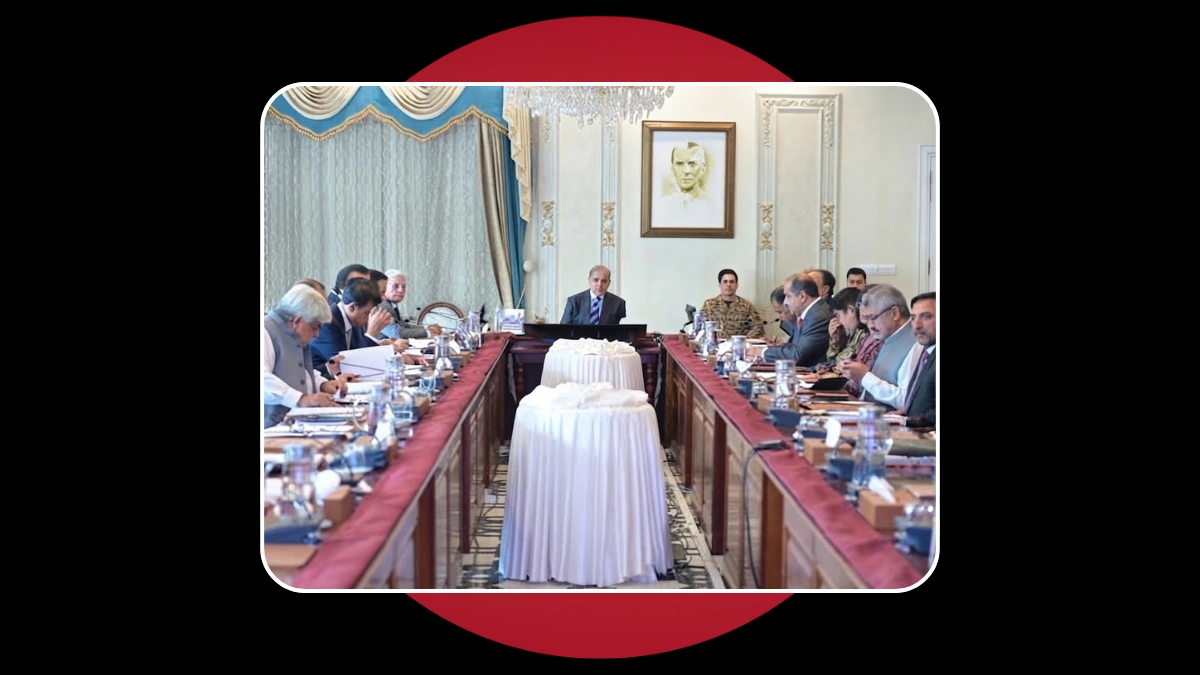
Prime Minister Shehbaz Sharif has approved the establishment of a high-level Trade Facilitation Board, which he will personally chair to streamline cross-border trade, resolve non-tariff bottlenecks, and optimize the nation's supply chain network. Announced during a dedicated review meeting in Islamabad, the newly formed board is tasked with formulating a comprehensive trade promotion roadmap, developing benchmarks linked to the Trade Facilitation Index, and monitoring reform execution. To support the board's mandate, the Prime Minister has ordered emergency measures to boost domestic port capacities, backed by specialized working groups targeting inter-departmental coordination, regulatory compliance, pre-arrival cargo clearance, and deeper integration of small and medium-sized enterprises (SMEs) into global commerce. The meeting also reviewed ongoing structural reforms, noting that recent reductions in port charges have improved facility utilization and driven a steady rise in pre-arrival Goods Declarations.
Prime Minister Shehbaz Sharif has approved the establishment of a Trade Facilitation Board, which he will chair to oversee measures improving Pakistan’s cross-border trade and supply chains.
The board will take decisions on non-tariff matters related to cross-border trade and prepare a roadmap for trade promotion. It will also develop strategies linked to the Trade Facilitation Index and monitor their implementation.
The prime minister has directed authorities to work on an emergency basis to increase port capacity and establish working groups focusing on port efficiency, coordination between relevant departments, regulatory compliance, pre-arrival clearance and greater participation of small and medium-sized businesses in international trade.
He also ordered authorities to simplify the delivery and clearance of goods at ports and provide maximum facilities to importers and exporters.
The meeting was informed that port charges have already been reduced under ongoing reforms, with officials reporting improved port utilisation. The submission of goods declarations before ships arrive has also been increasing.