
Global Food Prices Rise To Highest Level Since 2022: FAO Says.
Listen2 min
Read aloud by your device’s built-in synthetic voice, not a recording. Needs a browser that can read aloud.
✧ GENERATE BRIEFING
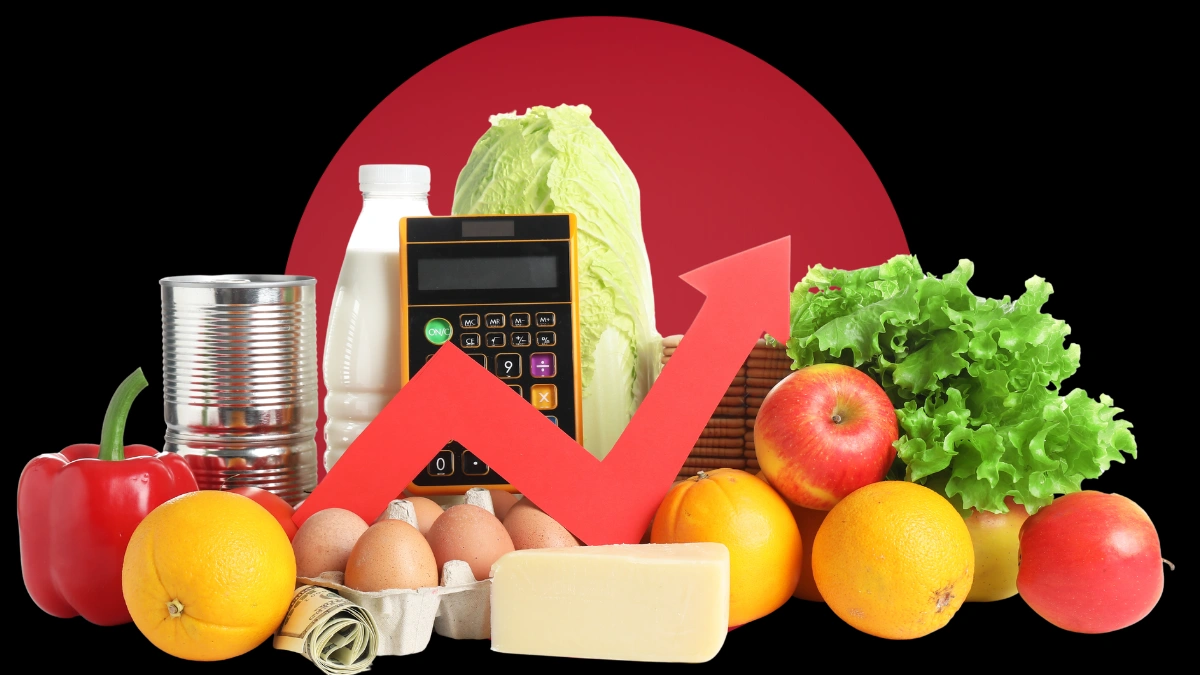
Global food prices accelerated in August, driving the United Nations Food and Agriculture Organization (FAO) Food Price Index to 133.3 points—its highest level since late 2022. The index registered a 1.9% monthly increase from July and a 2.5% rise year-on-year, driven by a convergence of severe weather shocks, escalating geopolitical conflicts, and agricultural trade bottlenecks. Sugar posted the steepest surge among major commodities, jumping 11.9% to hit its highest mark since June 2025 due to reduced output in Brazil's center-south region alongside adverse weather in Europe and Asia. Meanwhile, the FAO cereal price index climbed 2.2% to its highest level since May 2024, with wheat prices rising 2.6% (15% higher year-on-year) amid ongoing Black Sea export disruptions.Reflecting tightening supply expectations, the FAO lowered its 2026 global cereal production forecast by 3.4 million tonnes to 2.98 billion tonnes, marking a 2% annual decline from 2025 and the sharpest yearly drop since 2018.
Global food prices accelerated in August, reaching their highest level since late 2022 as extreme weather, geopolitical conflicts and disruptions to agricultural trade raised concerns over supplies, according to the United Nations Food and Agriculture Organization (FAO).
The FAO Food Price Index averaged 133.3 points in August, up 1.9% from July’s revised 130.8 points and 2.5% higher than a year earlier. The index remains about 17% below its March 2022 peak, recorded after Russia’s full-scale invasion of Ukraine.
Weather conditions have emerged as a major supply risk. Severe heat and drought in Europe have damaged prospects for maize and sugar beet production, while the expected El Niño weather pattern is raising concerns about palm oil and sugar production in Asia.
Sugar recorded the sharpest increase among the major food categories, with its FAO benchmark jumping 11.9% in August, reaching its highest level since June 2025. Lower production in Brazil’s key centre-south region, combined with weather concerns in Europe and Asia, contributed to the increase.
Grain markets also came under pressure. The FAO cereal price index rose 2.2% month-on-month, reaching its highest level since May 2024. Wheat prices increased 2.6% during the month and were 15% above their level a year earlier, partly because of continued disruption to Black Sea export logistics.
The organisation also lowered its 2026 global cereal production forecast by 3.4 million tonnes to 2.98 billion tonnes, which would represent a 2% decline from 2025 and the largest annual drop since 2018. However, projected output would still be the second-highest on record.
Geopolitical tensions are adding another layer of pressure. Escalating attacks in the Black Sea are disrupting grain shipments from Russia and Ukraine, while the US-Iran conflict and disruption around the Strait of Hormuz are affecting fertiliser supplies and adding to concerns over future agricultural input costs.
FAO Chief Economist Maximo Torero said the latest increase signals the return of a “risk premium” to food markets as climate shocks, geopolitical tensions and disrupted trade logistics converge to tighten supply expectations.

 Agriculture
 Agriculture
 Agriculture