German Investment In China Rises While US Spending Falls: IW Study.
✧ GENERATE BRIEFING +
German direct investment in China surged by approximately one-third to roughly €5.6 billion during the first half of 2026, while capital allocation in the United States plummeted sharply, according to a comprehensive study by the German Economic Institute (IW) reviewed by Reuters. In stark contrast to the uptick in China, German corporate spending in the US dropped by nearly two-thirds year-on-year to €4.3 billion, marking the lowest level recorded since 2023.The striking divergence underscores a major reassessment of international strategies among German industrial and manufacturing giants amid escalating trade tensions, policy unpredictability, and shifting tariff landscapes. While automotive, chemical, and technology firms continue to deepen their localized footprints in China to maintain market share against fierce domestic competitors, growing uncertainty surrounding US trade policy has prompted companies to pull back on American expansion plans. Analysts note that the reallocation reflects a broader corporate push toward supply-chain diversification and risk mitigation across major geopolitical blocs.
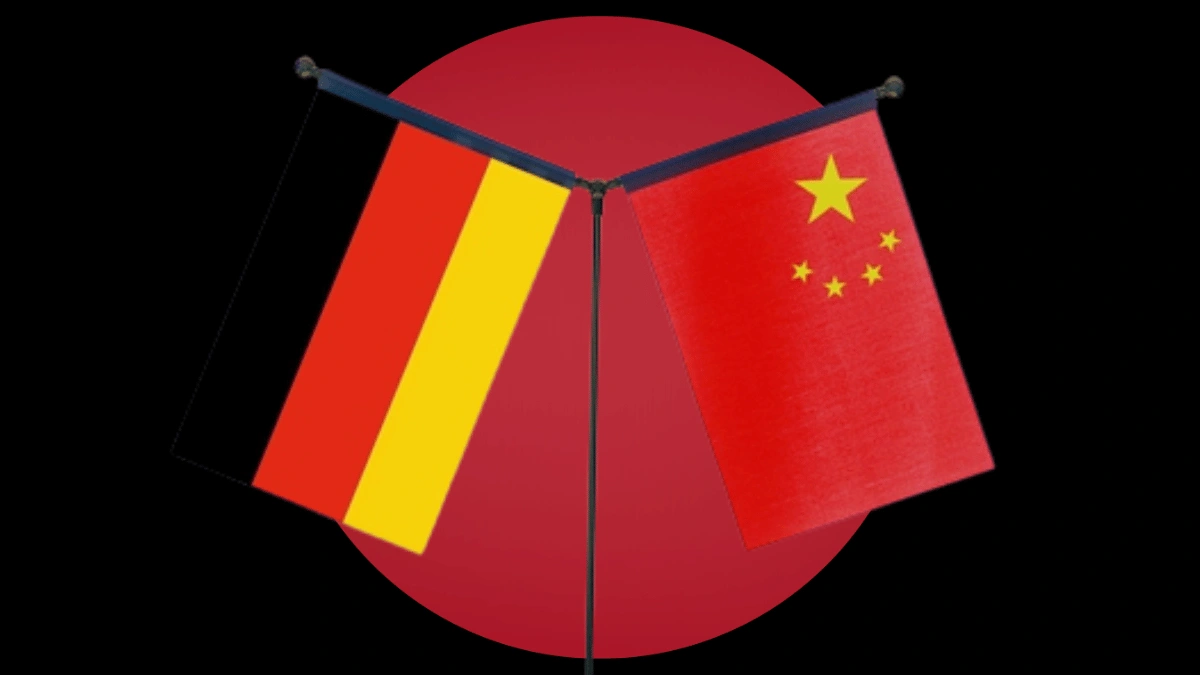
German companies increased their investment in China by around one-third during the first half of 2026, while investment in the United States fell sharply amid trade tensions and uncertainty over US tariff policies.
The findings were published by the German Economic Institute (IW) in a study reviewed by Reuters. The shift suggests that German businesses are reassessing their international investment strategies as geopolitical and trade-related risks influence decisions on capital allocation.
German investment in China rose by approximately €5.6 billion compared with the same period a year earlier. In contrast, German companies significantly reduced their investment in the United States, reflecting concerns over the future direction of US trade policy and the cost of operating in the American market.
Separate figures cited in the report showed that German direct investment in the US fell by nearly two-thirds year-on-year to around €4.3 billion during the first half of 2026. This was the lowest level recorded since 2023.
The contrasting investment trends highlight the growing impact of tariffs, supply-chain uncertainty and geopolitical tensions on corporate expansion plans. German companies with strong exposure to global manufacturing and export markets are increasingly weighing the risks associated with policy changes in major economies.
China continues to remain an important market for German manufacturers, particularly in the automotive, industrial equipment, chemicals and technology sectors. However, companies also face challenges in China, including intense domestic competition, regulatory uncertainty and weaker demand in some industries.
The increase in investment in China does not necessarily indicate a complete withdrawal from the United States. Instead, it may reflect a broader effort by German firms to diversify production, maintain access to major consumer markets and reduce exposure to changing trade restrictions.
The developments come as Germany’s export-oriented economy faces pressure from weaker global demand, competition from Chinese manufacturers and uncertainty over international trade relations.