Aurangzeb Opens IMF Review Talks As Pakistan Seeks $1.2bn In Disbursals.
Listen3 min
Read aloud by your device’s built-in synthetic voice, not a recording. Needs a browser that can read aloud.
✧ GENERATE BRIEFING
Finance Minister Muhammad Aurangzeb kicks off IMF review talks for Pakistan's $7B EFF and $1.4B RSF, targeting roughly $1.2 billion in new financing. Finance Minister Muhammad Aurangzeb has formally commenced crucial policy-level discussions with an International Monetary Fund (IMF) mission led by Iva Petrova in Islamabad. The talks cover the fourth review of Pakistan’s $7 billion Extended Fund Facility (EFF) and the third review of the $1.4 billion Resilience and Sustainability Facility (RSF).A successful conclusion to these reviews will unlock approximately $1.2 billion in combined disbursements ($1 billion from the EFF and $200 million from the RSF), bringing total program inflows to around $6 billion. Key agenda items include reviewing first-quarter revenue performance by the FBR, managing economic shocks from Middle East energy disruptions, and addressing structural benchmarks such as governance amendments for the Sovereign Wealth Fund, alongside the newly notified Public Procurement Rules 2026.
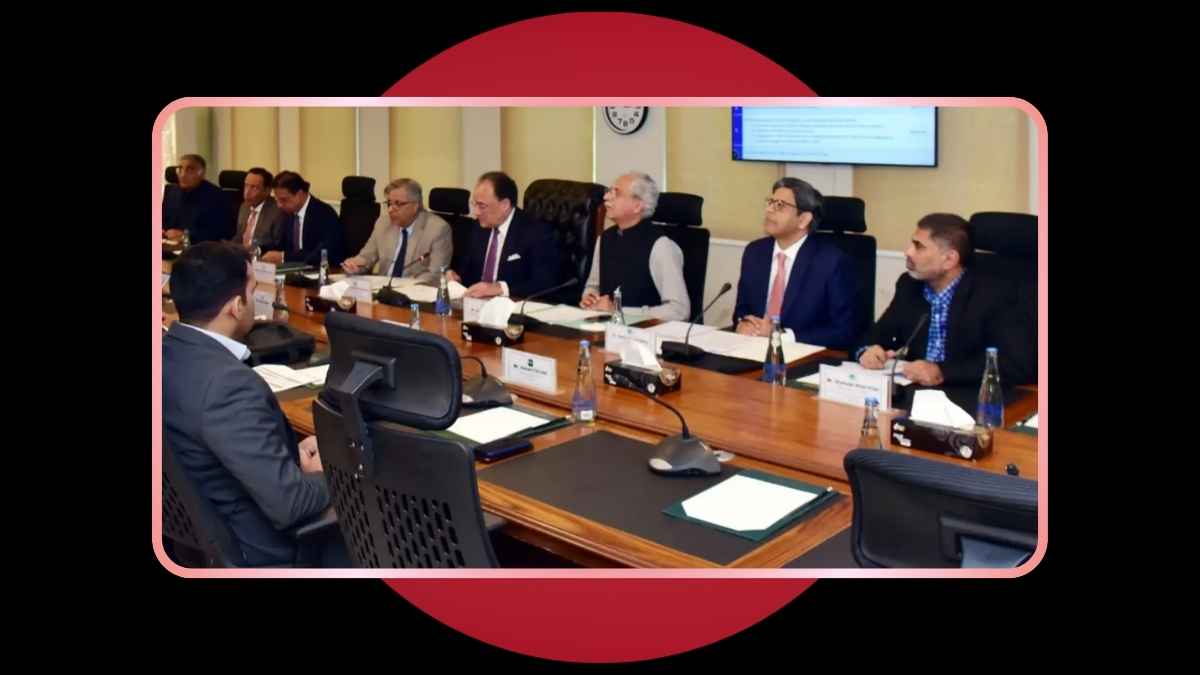
Finance Minister Muhammad Aurangzeb on Tuesday formally kicked off discussions with an International Monetary Fund (IMF) mission for the fourth review of Pakistan’s $7 billion Extended Fund Facility (EFF) and the third review of the $1.4 billion Resilience and Sustainability Facility (RSF).
The IMF mission, led by Iva Petrova, is in Islamabad to assess Pakistan’s progress under both programmes. Governor State Bank of Pakistan Jameel Ahmad, Federal Board of Revenue Chairman Rashid Langrial and Minister of State for Finance Bilal Azhar Kayani also participated in the kick-off meeting.
Financial Stakes and Macroeconomic Context
Successful completion of the two reviews could make Pakistan eligible for about $1.2 billion in additional financing, comprising around $1 billion under the EFF and $200 million under the RSF. Pakistan has already received about $4.8 billion under the two arrangements.
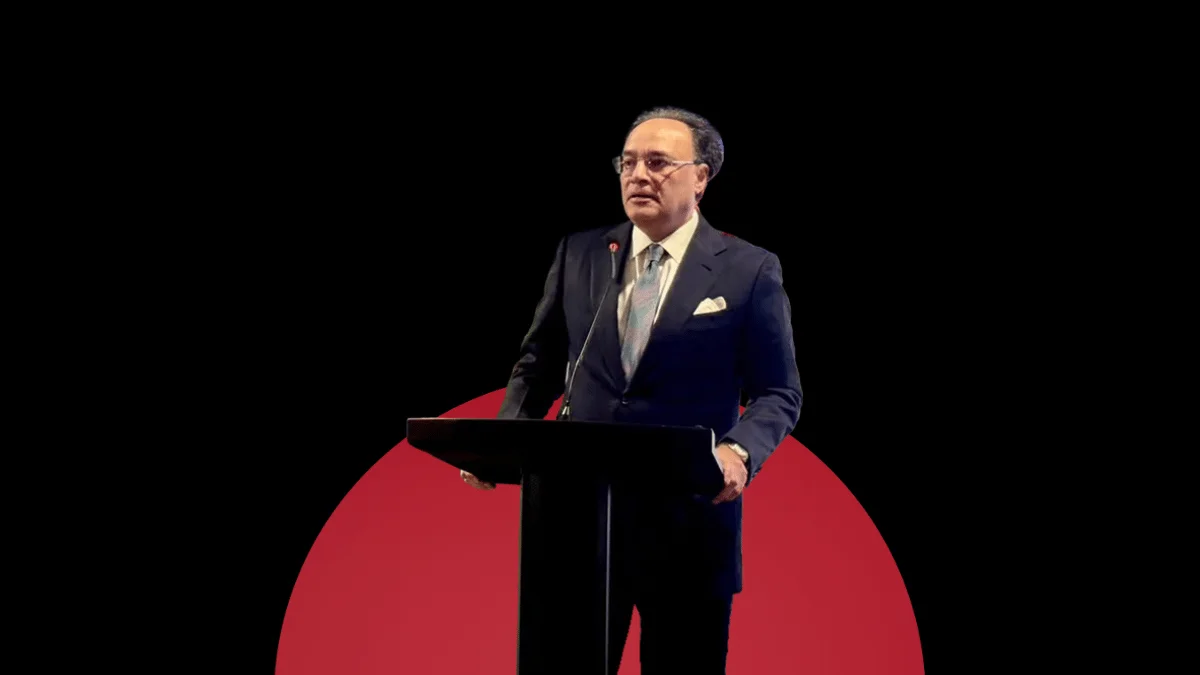
The discussions are taking place against a challenging economic backdrop, with the government briefing the IMF on the impact of the prolonged regional conflict and disruption in the Strait of Hormuz on economic activity and government revenues. Aurangzeb also briefed the mission on recent macroeconomic developments, improvements in Pakistan’s credit rating and the investment climate.
Structural Benchmarks and FBR Performance
A key issue is likely to be Pakistan’s progress on structural benchmarks. The government remains behind schedule on amendments to the Sovereign Wealth Fund Act, which require stronger governance mechanisms and safeguards for seven state-owned enterprises with an estimated asset portfolio of around $8 billion.
The government has, however, recently notified Public Procurement Rules 2026, two days ahead of the September 30 deadline. The new framework makes the use of the electronic procurement system mandatory for federal procurement and introduces measures covering transparency, competition, conflict-of-interest controls and enforcement.
The IMF review will also examine Pakistan’s fiscal performance, revenue collection and implementation of reforms at the start of the new fiscal year. The Fund is expected to assess the Federal Board of Revenue’s preparedness to meet its first half-yearly revenue benchmark under the current programme.
If the IMF staff and Pakistani authorities reach a staff-level agreement, the outcome will then require approval by the Fund’s Executive Board before the next disbursements can be released.