Pakistan’s weekly inflation rises 0.21%, remains 11.53% higher YoY
Listen2 min
Read aloud by your device’s built-in synthetic voice, not a recording. Needs a browser that can read aloud.
✧ GENERATE BRIEFING
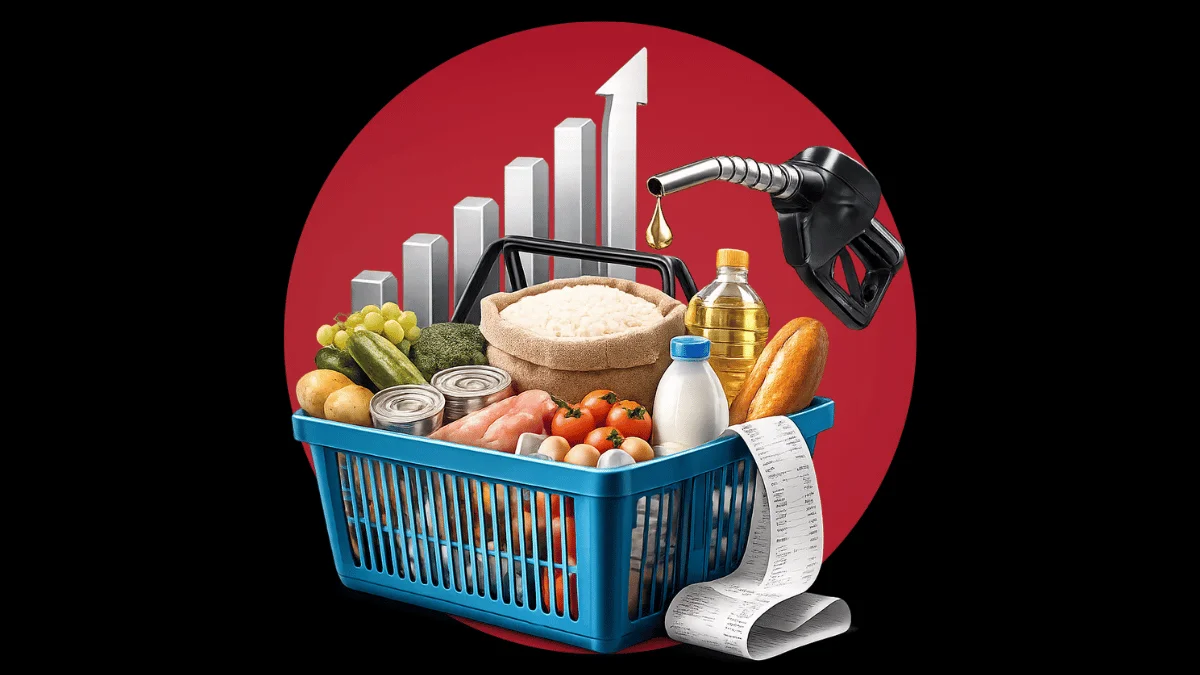
Pakistan’s short-term inflation trajectory exhibited mild upward pressure as the Sensitive Price Indicator (SPI) advanced 0.21% week-on-week for the reporting period ending October 1, 2026, keeping the broader annual headline figure elevated at 11.53% higher year-on-year. According to official data published by the Pakistan Bureau of Statistics (PBS), the combined national index edged upward to 370.46 points compared to 369.69 points in the preceding week, tracking price movements across 51 essential consumer commodities sampled from 50 distinct marketplaces across 17 major urban centers.The weekly acceleration was primarily spearheaded by sharp upward adjustments in key food items and household utilities—notably live broiler chicken jumping 7.25%, garlic rising 1.85%, and liquefied petroleum gas (LPG) climbing 1.17%. Conversely, notable retail relief materialized through weekly pullbacks in petroleum products, with diesel dropping 3.43% and petrol sliding 0.65%, alongside seasonal price softening in perishables like bananas and potatoes.
Pakistan’s short-term inflation, measured by the Sensitive Price Indicator (SPI), increased 0.21% week-on-week during the week ended October 1, 2026, while remaining 11.53% higher than a year earlier, according to data released by the Pakistan Bureau of Statistics (PBS).
The combined SPI rose to 370.46 points from 369.69 points in the previous week. The index tracks prices of 51 essential commodities collected from 50 markets across 17 cities and is used to monitor short-term inflation trends.
Weekly Price Variations
Chicken recorded the largest weekly price increase, rising 7.25%, followed by garlic at 1.85%, pulse gram at 1.30% and LPG at 1.17%. Egg prices increased 0.72%, while IRRI-6/9 rice rose 0.55%, onions 0.39% and wheat flour 0.29%.
Prices of 20 items in the SPI basket increased during the week, accounting for 39.21% of the basket. Prices of 10 items declined, while 21 remained unchanged.
Among items that became cheaper, diesel prices fell 3.43%, followed by bananas at 1.52%, sugar 1.05%, potatoes 0.96% and petrol 0.65%. Prices of moong pulse, tomatoes, masoor pulse, gur and powdered milk also declined.
Year-on-Year Trend Analysis
On a year-on-year basis, onion prices remained the biggest source of pressure, increasing 114.20%. LPG prices were 66.59% higher, while electricity charges for the first consumption quarter increased 58.59%.
Fuel prices also remained significantly higher than a year earlier, with diesel up 44.50% and petrol 44.05%. Wheat flour increased 32.65%, while chilli powder, mutton, chicken and beef also recorded notable annual increases.
Some food commodities, however, recorded substantial annual declines. Tomato prices fell 45.52%, potatoes 39.54% and sugar 21.95%. Egg prices declined 17.47%, while masoor, gram and moong pulses also became cheaper compared with the same week last year.
The latest figures show that weekly price pressures remained relatively moderate, but the 11.53% annual increase indicates that households continue to face significantly higher prices for several essential food and energy items.