Germany Seeks Seat On ECB Executive Board As Leadership Reshuffle Looms
Listen3 min
Read aloud by your device’s built-in synthetic voice, not a recording. Needs a browser that can read aloud.
✧ GENERATE BRIEFING
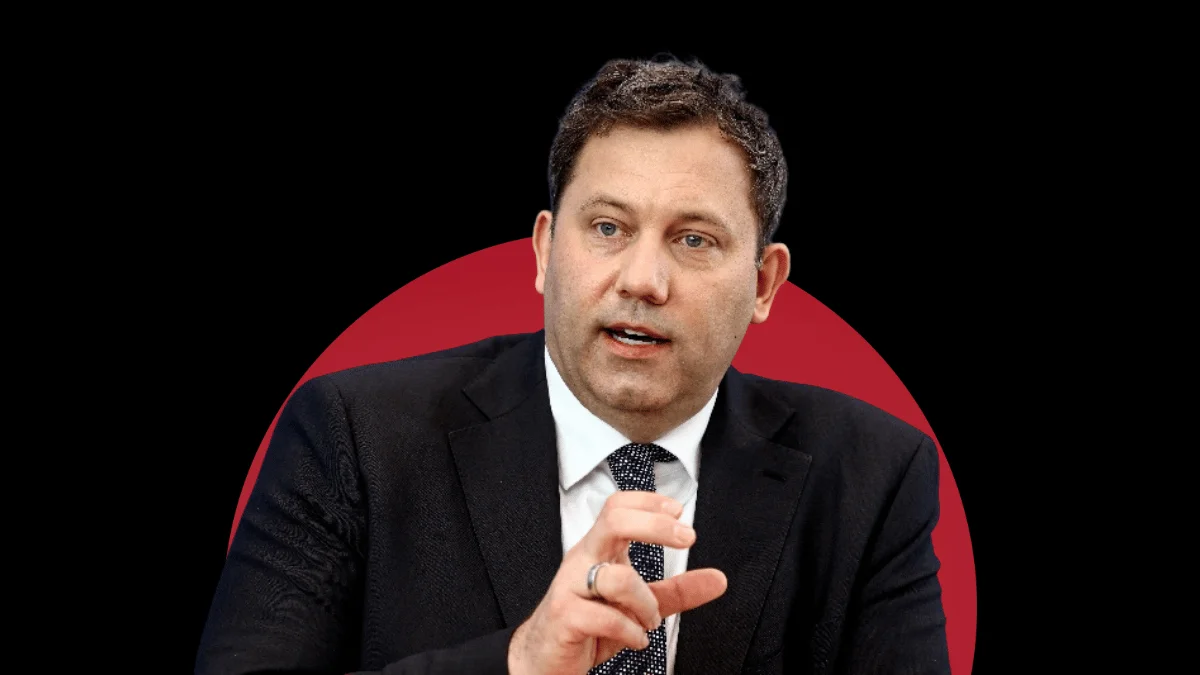
German Finance Minister Lars Klingbeil has confirmed that Berlin will nominate a candidate to replace outgoing European Central Bank (ECB) Executive Board member Isabel Schnabel, signaling Germany’s determination to maintain its representation within the euro zone's supreme monetary policymaking body. Schnabel is scheduled to depart her ECB role on January 3, 2027, to transition to a senior post at the International Monetary Fund (IMF). Eurozone finance ministers have formally opened the nomination window, with discussions accelerating during recent Eurogroup sessions. Germany’s explicit push to retain Schnabel’s seat carries significant geopolitical and strategic implications for the broader ECB leadership reshuffle:Presidency Dynamics: By prioritizing the retention of an Executive Board seat, Germany is widely expected to step back from fielding a candidate for the ECB Presidency when Christine Lagarde’s tenure concludes by October 2027 at the latest. This clears the path for leading contenders such as Spain’s Pablo Hernández de Cos (General Manager of the BIS) and former Dutch central bank chief Klass Knot.
Germany will nominate a candidate to replace European Central Bank (ECB) executive board member Isabel Schnabel, Finance Minister Lars Klingbeil said, signalling Berlin’s intention to maintain its representation in the euro zone’s top monetary-policy institution.
Klingbeil said he was coordinating closely with the federal chancellery on ECB-related matters and confirmed that Germany would put forward a candidate. He added that discussions with other European finance ministers had reinforced the view that Germany should continue to play a significant role at the central bank.
Schnabel, a German economist, is due to leave the ECB on January 3, 2027, to take up a position at the International Monetary Fund (IMF). Euro zone finance ministers have already begun the process of selecting her successor.
Broader Leadership Succession and Presidency Outlook
The decision is also significant for the wider contest over the ECB’s leadership. The bank faces several changes in its six-member executive board over the coming year, including the expected departure of Chief Economist Philip Lane by May 31, 2027. President Christine Lagarde’s term is due to end by October 2027 at the latest, although speculation about an earlier departure has added uncertainty to succession discussions.
Germany’s decision to seek Schnabel’s position is widely viewed as an indication that Berlin may not challenge for the ECB presidency when Lagarde’s position becomes vacant. Potential contenders include Spain’s Pablo Hernández de Cos, head of the Bank for International Settlements, and former Dutch central bank chief Klaas Knot.
Regional Representation and Policy Impact
The reshuffle could also influence the allocation of other senior positions. Germany’s move to retain a seat on the executive board may strengthen France’s position in seeking the chief economist role when Lane’s term ends. France, Germany and Italy have historically maintained strong representation on the board, while Spain is seeking a more permanent place in the institution’s leadership.
Although any euro zone country can nominate candidates, appointments are decided through a broader process involving member states. The competition reflects the importance of the ECB’s leadership in setting interest rates, managing inflation and shaping monetary policy across the 21-member euro zone.
The upcoming appointments will take place as the ECB confronts inflation risks linked to higher energy prices and geopolitical tensions. The central bank’s leadership transition is therefore likely to draw close attention from financial markets, governments and policymakers across Europe.