World Bank, Pakistan Prioritise Faster Project Execution Under CPF.
Listen3 min
Read aloud by your device’s built-in synthetic voice, not a recording. Needs a browser that can read aloud.
✧ GENERATE BRIEFING
Pakistan and the World Bank Group have formally agreed to fast-track the execution of the Country Partnership Framework (CPF) for 2026–2035. The agreement was finalized during a high-level bilateral meeting between Federal Minister for Economic Affairs Ahad Khan Cheema and World Bank Managing Director of Operations Anna Bjerde on the sidelines of the 2026 World Bank Group–IMF Annual Meetings in Bangkok. Key strategic focus areas, operational mechanisms, and project roadmaps include: Execution & Readiness Facilities: To address historical disbursement delays, Pakistan requested dedicated Project Readiness Facilities (PRFs), predictable concessional financing, and centralized digital monitoring platforms to track project timelines and measure socio-economic impact. Key Strategic Infrastructure Projects: Discussions covered the ML-1 Railway Upgradation Project and the establishment of an associated 1,800-kilometer economic corridor. Both sides also reviewed a proposed Minerals Compact to unlock structured investments in critical minerals and mining logistics.
Pakistan and the World Bank have agreed to accelerate the implementation of the Country Partnership Framework (CPF) for 2026–2035, with a focus on improving project execution, strengthening human development and building resilience against climate change.
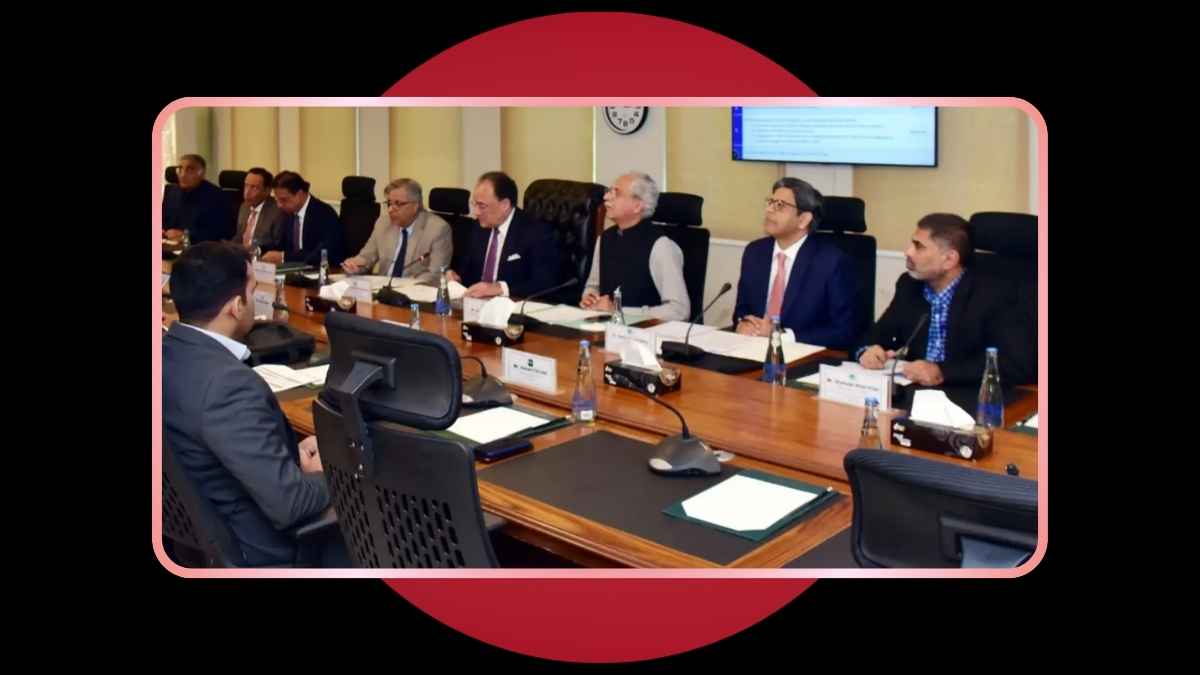
The commitment was discussed during a meeting between Federal Minister for Economic Affairs Ahad Khan Cheema and Anna Bjerde, Managing Director of Operations at the World Bank, on the sidelines of the 2026 World Bank Group–IMF Annual Meetings in Bangkok.
Execution Mechanisms and Project Readiness Facilities
Cheema stressed the need to convert the framework’s objectives into measurable development results. He called for greater technical and financial support, coordinated programmes across multiple sectors and digital monitoring systems to track progress and assess the impact of projects.
The minister also emphasised the importance of improving project preparation through dedicated Project Readiness Facilities (PRFs), predictable financing and stronger implementation support. These measures are intended to reduce delays in project approvals and execution.
He said concessional financing should be used efficiently to maximise development benefits while protecting Pakistan’s debt sustainability. The discussions also highlighted the need to strengthen institutional capacity and remove bottlenecks in project planning and implementation.
Infrastructure Corridors and Strategic Projects
The two sides reviewed potential investments in human development, climate resilience, water and sanitation, and economic transformation. Cheema emphasised that projects in sectors with strong employment potential would be important for creating jobs and promoting inclusive economic growth.
The meeting also covered the ML-1 Railway Upgradation Project and the proposed development of an economic railway corridor along the approximately 1,800-kilometre railway line. The initiative aims to improve connectivity and unlock new economic opportunities. Discussions also included a proposed Minerals Compact to support the development of Pakistan’s minerals sector.
Long-Term Financing Structure
Bjerde reaffirmed the World Bank’s commitment to supporting Pakistan’s priority sectors and improving operational efficiency. Both sides agreed to strengthen cooperation under the framework so that development financing produces timely, sustainable and measurable benefits.
The CPF covers a 10-year period and identifies six strategic outcomes, including reducing child stunting and learning poverty, improving climate resilience, promoting cleaner energy and better air quality, mobilising public resources for inclusive development, and increasing productive private investment. The World Bank’s framework outlines $20 billion in sovereign financing, alongside a separate $20 billion ambition for private-sector investment through the International Finance Corporation (IFC).