Tesla Unveils Flying Roadster With SpaceX Thrusters, Sets 2028 Launch
Listen3 min
Read aloud by your device’s built-in synthetic voice, not a recording. Needs a browser that can read aloud.
✧ GENERATE BRIEFING
Tesla, Inc. unveiled a dramatically redesigned prototype of its long-delayed next-generation Roadster on Thursday, October 15, 2026, during a live demonstration at a SpaceX test facility in McGregor, Texas. Developed in close engineering collaboration with SpaceX, the electric hypercar features cold-gas thruster technology and a ground-effect suction system capable of enabling short mid-air maneuvers, barrel rolls, and sub-one-second acceleration. Key operational, technical, and commercial parameters include :Performance & Flight Engineering: Powered by ultra-high-pressure compressed air tanks that automatically recharge, the SpaceX-derived thruster system produces over 80 kN of thrust. Tesla recorded a 0–60 mph sprint in 0.81 seconds (generating 3.3 Gs of launch force), with Chief Executive Elon Musk targeting a top speed exceeding 230 mph to 380+ mph. Variant Structure & Booking Deposits: Tesla updated its global reservation system to reflect two commercial trims and one experimental tier: Performance Version: Standard two-seat layout requiring a $50,000 reservation deposit. Thrust Version: Adds cold-gas thrusters and ground-effect fans, requiring a $250,000 upfront deposit.
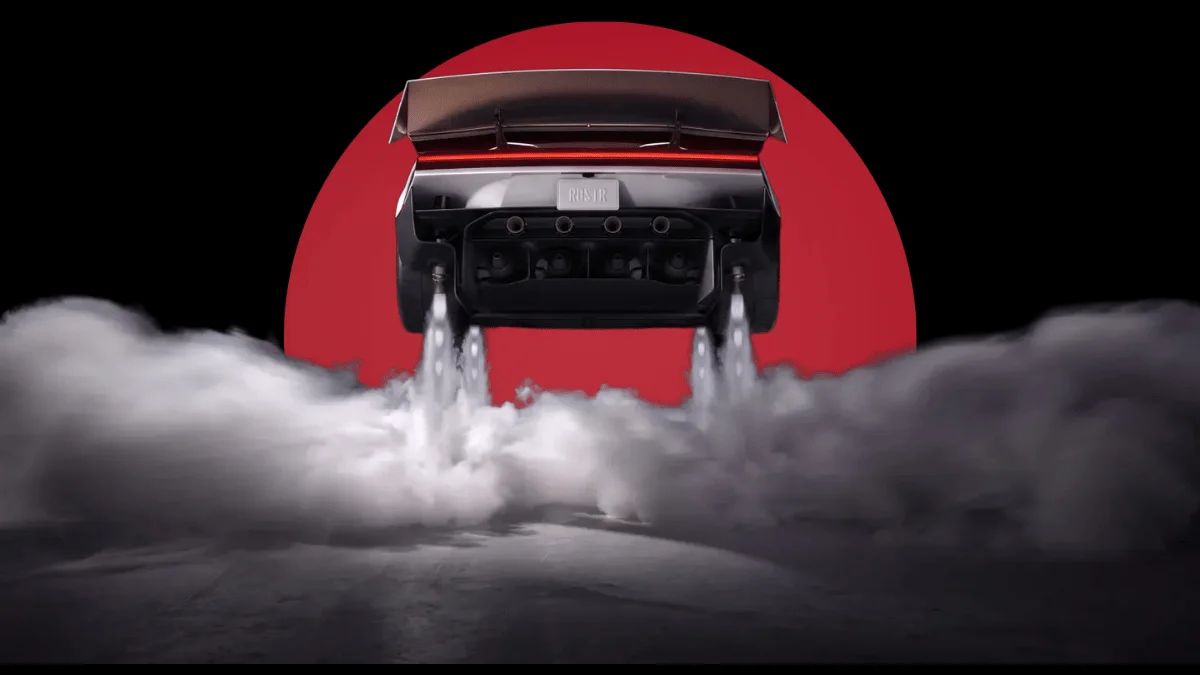
Tesla has unveiled its redesigned Roadster electric sports car equipped with rocket-style thrusters developed in collaboration with Elon Musk’s SpaceX, nearly nine years after first presenting the next-generation model. The company said production is expected to begin in 2028.
The two-seat electric vehicle was demonstrated at a SpaceX testing facility in Texas, where it drove upside down along a ramp using a suction system before turning in the air and landing with the help of built-in thrusters. The demonstration highlighted the vehicle’s unusual engineering, although the legality and practical use of these features on public roads remain unclear.
SpaceX Thruster Architecture and Sub-Second Acceleration
Tesla Chief Executive Elon Musk said the Roadster could accelerate from zero to 60 miles per hour in less than one second and reach a top speed exceeding 230 miles per hour. During live track runs, telemetry readouts indicated a 0–60 mph time of 0.81 seconds under 3.3 Gs of launch force.
The thruster package uses ultra-high-pressure air tanks that automatically refill using onboard electrical pumps, eliminating the need for specialized chemical propellants. The system generates more than 80 kN of downward and directional thrust, providing extreme downforce for cornering as well as vertical stabilization during flight maneuvers.
Reservation Tiers and Tiered Variant Structure
Tesla’s reservation page lists a Performance version requiring a $50,000 deposit and a Thrust version, featuring acceleration thrusters, requiring $250,000 upfront. A third, invitation-only Rocket variant is described as a single-seat model equipped with a full flight system. Tesla did not announce final vehicle prices at the unveiling.
The vehicle utilizes an advanced steer-by-wire and brake-by-wire yoke interface, lightweight carbon-molded seats integrated directly into the chassis, and custom Pirelli P Zero Trofeo RS tires designed specifically for high-torque electric powertrains.
Historical Timeline and Financial Outlook
The project has faced repeated delays since Tesla first revealed the second-generation Roadster in 2017, when deliveries were initially expected in 2020. The original Roadster, produced from 2008 to 2012 using a Lotus Elise chassis, was Tesla’s first electric vehicle and helped establish the company’s reputation in the electric-car market.
Although Musk has previously downplayed the Roadster’s potential contribution to Tesla’s finances, analysts view it as a high-performance flagship designed to demonstrate the company’s engineering capabilities. Morningstar analyst Seth Goldstein has estimated annual sales of around 2,000 units, far below Tesla’s broader vehicle sales.
The unveiling comes as Tesla increasingly prioritises artificial intelligence, autonomous driving and robotics alongside its electric-vehicle business. The Roadster provides the company with a high-profile sports car, but its commercial impact will depend on production timelines, final pricing, technical performance and whether the ambitious thruster technology can be delivered in a practical road vehicle.