BYD Assembly Plant Targets End-2026 Launch Despite Earlier Delay Reports
Listen3 min
Read aloud by your device’s built-in synthetic voice, not a recording. Needs a browser that can read aloud.
✧ GENERATE BRIEFING
Hub Power Company Limited (HUBCO) management clarified during its Annual General Meeting (AGM) on October 20, 2026, that its joint-venture BYD electric vehicle assembly plant in Gharo, Sindh, remains strictly on track to become operational by mid-December to end-2026. Developed through Mega Motor Company (Private) Limited (a HUBCO subsidiary) in partnership with Chinese EV giant BYD Auto, the $150 million facility represents BYD's sixth production hub outside mainland China. Key operational, financial, and manufacturing parameters include: Production Capacity & Sales Targets: The Gharo plant features an initial annual capacity of 25,000 units, scalable to 50,000 units per year. HUBCO targets an initial sales run rate of 1,000 to 1,500 vehicles per month. Localisation Roadmap: Initial assembly will rely on 100% Completely Knocked Down (CKD) imported components, with HUBCO targeting a long-term 80% parts localisation rate.
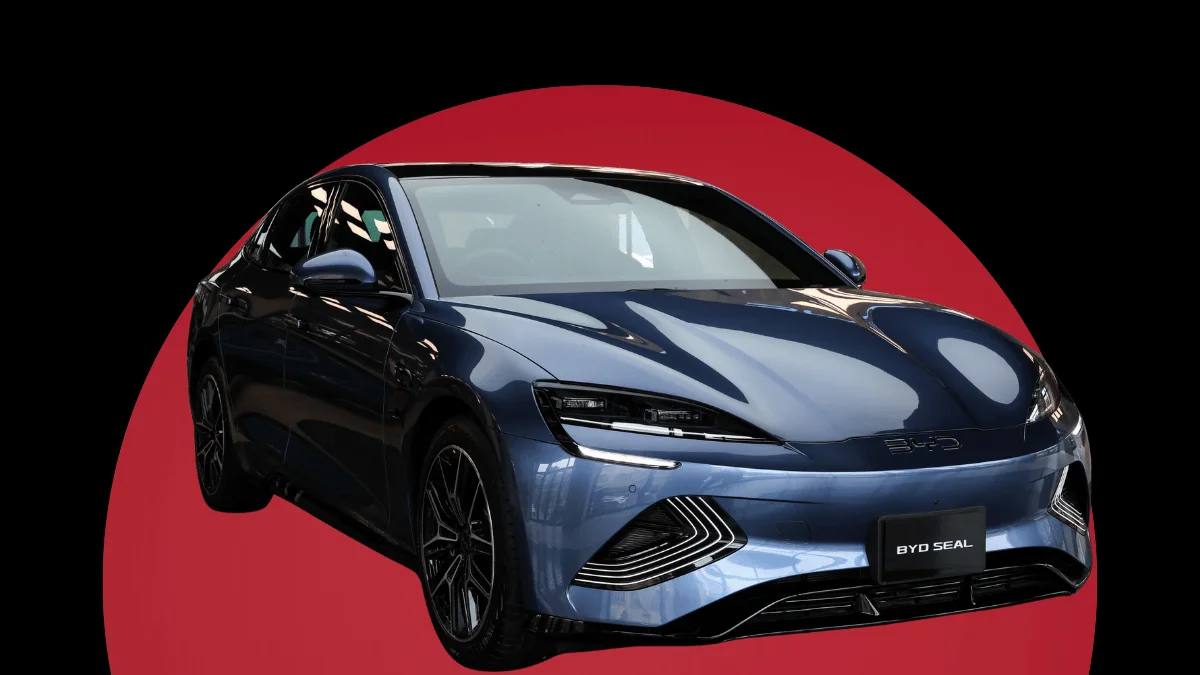
Hub Power Company Limited (HUBCO) has rejected reports of further delays to its BYD vehicle assembly plant in Pakistan, reiterating its target to bring the facility into operation by the end of 2026.
According to a report by Arif Habib Limited (AHL) following HUBCO’s annual general meeting, the company is targeting an initial sales run rate of 1,000 to 1,500 vehicles per month as production gradually increases. An AHL analyst also indicated that the facility could become operational within four to five weeks. The timeline remains an expectation rather than confirmation that commercial production has begun.
Imported Components and 80% Localisation Roadmap
The assembly plant will initially depend entirely on imported raw materials and vehicle components, with locally sourced parts expected to account for a growing share of production over time.
HUBCO’s longer-term objective is to achieve localisation of up to 80% of the vehicle. Greater domestic sourcing could help reduce exposure to imported components and improve manufacturing cost competitiveness, although the outcome will depend on the pace of localisation and the availability of suitable local suppliers.
Phased Rollout Strategy for BYD Models
According to AHL’s account of the management briefing, the company intends to introduce additional BYD models in stages rather than launch its entire product range at once. Model selection will focus on vehicle categories and price segments offering the strongest sales potential.
The strategy is intended to help the company concentrate on products that can attract sufficient demand in Pakistan’s increasingly competitive automobile market.
Plant Capacity, Investment, and Employment Creation
The $150 million project is being developed through Mega Motor Company, associated with HUBCO, in partnership with Chinese electric vehicle manufacturer BYD. The facility in Gharo, Sindh, is planned to have an initial annual production capacity of 25,000 vehicles, with the potential to expand to 50,000 units per year.
BYD has also indicated that the project is expected to create more than 1,100 jobs and support the development of Pakistan’s electric vehicle manufacturing industry while mitigating approximately 165,000 tonnes of carbon dioxide emissions over the next decade.
Industry Implications and Market Outlook
Local assembly could mark an important development for Pakistan’s electric vehicle market by establishing domestic manufacturing operations for BYD-branded vehicles. However, the extent to which local production affects vehicle prices will depend on import costs, duties, exchange rates, localisation levels and the company’s pricing decisions.
For now, the immediate milestones are the commencement of plant operations, the announcement of models selected for local assembly and the gradual expansion of domestic component sourcing.
HUBCO’s latest statement maintains the end-2026 launch target, while the actual start of production and the pace of subsequent localisation remain to be confirmed.