Aurangzeb Holds Financing Talks With Gulf Banks, UNDP In Bangkok
Listen3 min
Read aloud by your device’s built-in synthetic voice, not a recording. Needs a browser that can read aloud.
✧ GENERATE BRIEFING
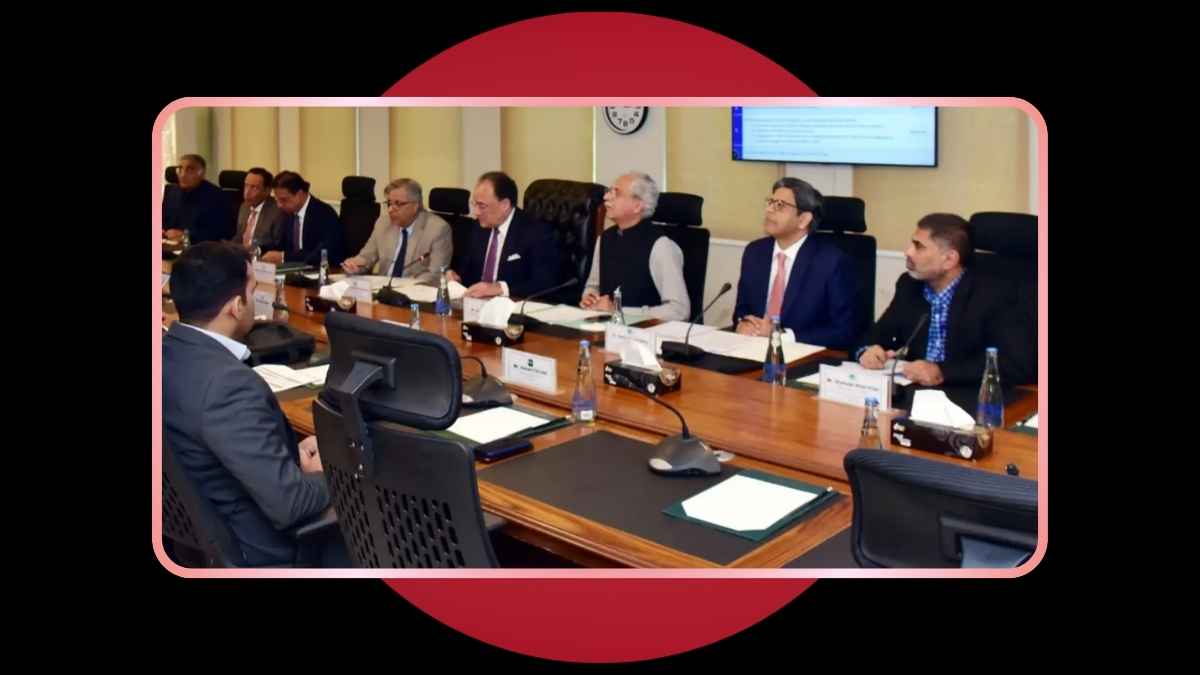
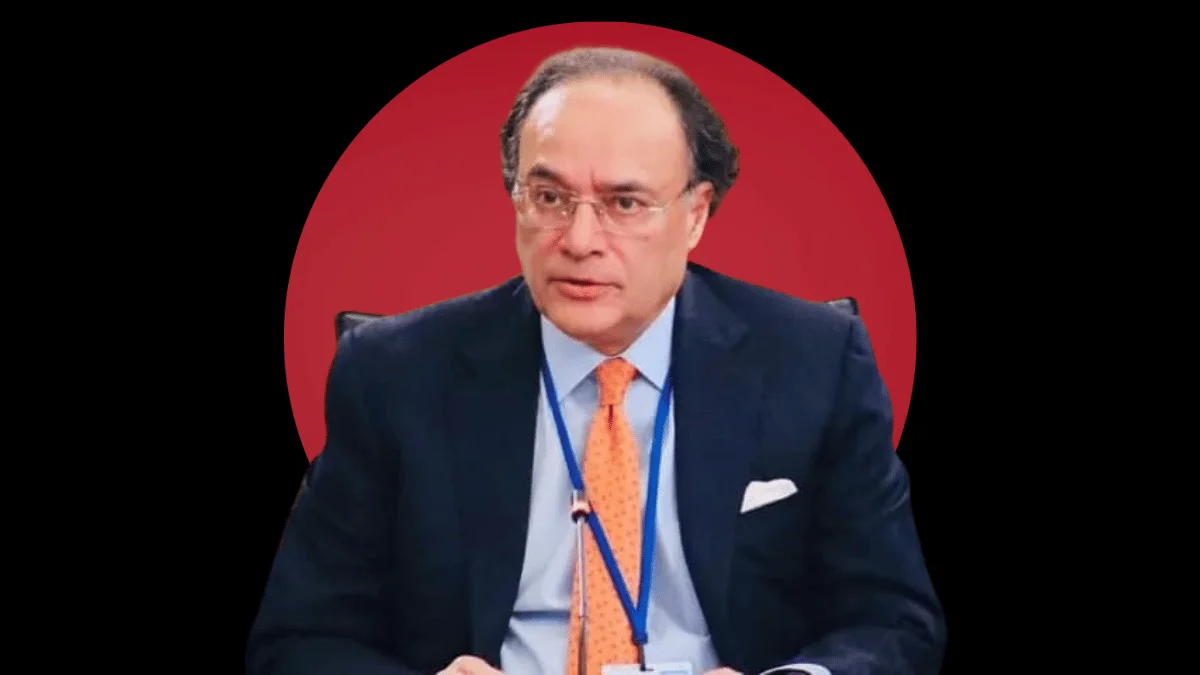
Federal Minister for Finance and Revenue Senator Muhammad Aurangzeb conducted a series of high-level bilateral financial meetings with Gulf-based commercial banks and the United Nations Development Programme (UNDP) on the sidelines of the 2026 World Bank Group–IMF Annual Meetings in Bangkok. The discussions focused on replacing high-cost short-term debt obligations with longer-maturity instruments, expanding Sukuk and Panda bond issuances, and mobilizing climate resilience funds.Key institutional agreements, commercial structures, and policy frameworks discussed include:Islamic Capital Markets & Debt Structuring: Sharjah Islamic Bank confirmed its willingness to anchor Pakistan's upcoming sovereign Sukuk issuance. Talks also covered issuing onshore Panda bonds in China, dollar-settled domestic rupee instruments, and exploring the tokenization of sovereign Eurobonds to stretch out debt profiles.Commercial Credit & Sectoral Investment Mandates: Abu Dhabi Commercial Bank (ADCB) explored restoring credit limits for Pakistani banks, participating in International Islamic Trade Finance Corporation (ITFC) trade lines, supporting MIGA-guaranteed financing, and backing International Finance Corporation (IFC) Diversified Payment Rights (DPR) transactions.
Finance Minister Muhammad Aurangzeb held discussions with international banks and the United Nations Development Programme (UNDP) on financing options, debt management, investment opportunities and climate resilience during the IMF-World Bank Annual Meetings in Bangkok.
The minister met delegations from Sharjah Islamic Bank, Abu Dhabi Commercial Bank (ADCB) and Ajman Bank to explore potential financing transactions and ways to diversify Pakistan’s funding sources. Sharjah Islamic Bank expressed readiness to participate in Pakistan’s prospective Sukuk issuance.
GCC Banking Partnerships and Debt Extension
Discussions with Sharjah Islamic Bank covered Sukuk, further Panda bond issuance, rupee-denominated dollar-settled instruments and possible tokenisation of Eurobonds. Aurangzeb emphasised replacing expensive short-term borrowing with longer-maturity financing to reduce repayment pressure without increasing the country’s overall external debt.
In a separate meeting, ADCB expressed interest in several potential transactions, including restoring Pakistan’s credit limits, participating in International Islamic Trade Finance Corporation financing and supporting financing backed by the Multilateral Investment Guarantee Agency. The discussions also covered an International Finance Corporation-supported Diversified Payment Rights transaction.
Infrastructure Outlays and Sectoral Investment Opportunities
Aurangzeb highlighted investment opportunities in refinery upgrades, power distribution privatisation, airport outsourcing, electricity transmission and the ML-1 railway project. Both sides also explored financing for data centres and digital finance, with competitive electricity prices and an effective regulatory framework identified as important considerations.
During talks with Ajman Bank, the minister discussed prospective Sukuk issuance, financing diversification and advice on future transactions. The meeting also covered the economic effects of regional conflict, banking-sector resilience and targeted fuel subsidies consistent with fiscal discipline.
UNDP Collaboration and Climate Resilience Swaps
Separately, Aurangzeb met UNDP Administrator Alexander De Croo to discuss development financing, climate resilience and employment generation. Both sides explored blended finance, public-private partnerships, biodiversity financing and potential debt-for-nature and debt-for-climate swaps.
The discussions also focused on developing a pipeline of investment-ready projects through the UNDP’s Implementation Bridge, the Sustainable Development Goals Investment Fair and the V20 platform. Aurangzeb called for stronger cash-flow-based lending, digital finance and credit guarantees to improve financing access for small businesses and farmers.
The meetings form part of Pakistan’s broader effort to diversify external financing, improve debt management and attract investment while maintaining fiscal discipline. The government has emphasised extending debt maturities and reducing concentrated repayment obligations as part of its economic reform agenda.