Experts Call For Coal Testing To Support Pakistan’s Steel Industry
Listen3 min
Read aloud by your device’s built-in synthetic voice, not a recording. Needs a browser that can read aloud.
✧ GENERATE BRIEFING
Leading mining and metallurgical engineering experts have urged the Federal Government to initiate comprehensive technical testing and beneficiation assessments of Pakistan’s domestic coal reserves to determine their viability for industrial steelmaking. The proposal aims to reduce the steel sector's heavy dependence on imported coking coal, conserve foreign exchange reserves, and lower production costs across construction and industrial value chains.Key technical recommendations, metallurgical challenges, and policy priorities include:Quality & Chemical Benchmarks: Metallurgical coal requires strict chemical composition standards—specifically low ash, low sulphur, and low phosphorus content—alongside high coking capacity to withstand blast furnace conditions. Mining expert Dr. Sultan Ahmed Khoso noted that past coal policies focused almost exclusively on power generation rather than industrial metallurgical feedstocks.Coal Upgrading & Beneficiation: Coal processing specialist Dr. Fida Hussain Channa highlighted research showing that physical beneficiation and controlled carbonization can wash out pyritic sulphur and ash-forming minerals from high-sulphur domestic coal deposits, boosting fixed carbon ratios.
Mining and metallurgical experts have urged the government to assess Pakistan’s domestic metallurgical coal resources to reduce reliance on imported raw materials, conserve foreign exchange and strengthen the country’s steel industry.
Speaking to Business Recorder, Dr Sultan Ahmed Khoso, an expert in mining and metallurgical engineering, said Pakistan’s coal policies had historically focused more on energy production than on coal as an industrial raw material.
Quality Benchmarks and Chemical Standards
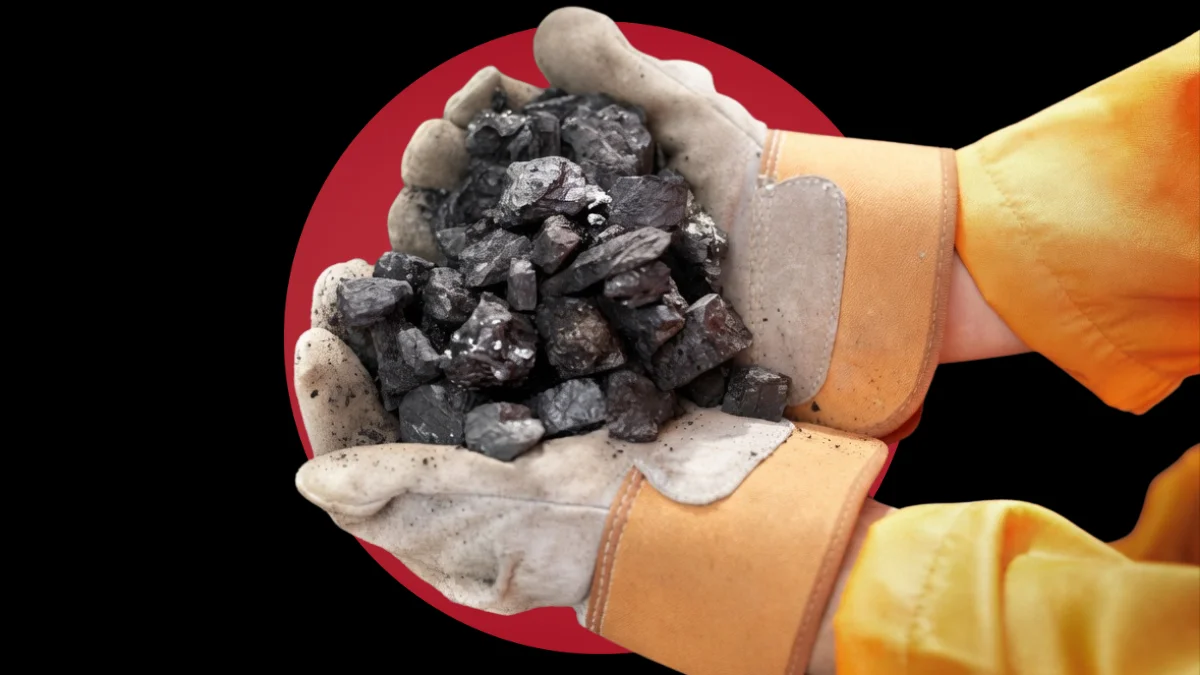
He stressed that large coal reserves do not automatically mean the country has commercially suitable coking coal. Metallurgical coal must meet specific quality standards, including acceptable levels of ash, sulphur and phosphorus, as well as the ability to produce strong coke during processing.
Dr Khoso called for systematic exploration, detailed coal-quality testing, beneficiation and blending studies, followed by pilot-scale coke testing. He said Pakistan should establish commercially recoverable reserves and assess whether local coal could replace or be blended with imported material before committing significant investment.
Metallurgical coal is primarily used to manufacture coke, which supplies heat, supports the structure of blast furnaces and acts as a reducing agent in conventional ironmaking. Its importance extends to steel products used in construction, transport, machinery, engineering and energy infrastructure.
Beneficiation and Upgrading Domestic Deposits
Dr Fida Hussain Channa, an expert in coal testing and upgrading, said indigenous coal could be improved for metallurgical applications through beneficiation, blending and controlled carbonisation. However, he cautioned that not all domestic coal can be converted into high-quality metallurgical coal.
He said coal processing can remove some ash-forming minerals and pyritic sulphur, while blending suitable coal types may help achieve the properties required for coke production. Dr Channa also cited his research on Pakistani high-sulphur coal, which demonstrated that appropriate beneficiation could reduce ash and sulphur content while increasing fixed carbon.
Macroeconomic Benefits and Safety Frameworks
The experts said developing suitable local resources could create opportunities in mineral processing, laboratory testing and related industries while reducing exposure to international price fluctuations and supply disruptions. They also stressed that any development strategy must include strict controls on emissions, sulphur, ash and mine safety.