Pakistan, IMF Convene High-Level Workshop On Tax Reforms And Unified Sales Tax
Listen3 min
Read aloud by your device’s built-in synthetic voice, not a recording. Needs a browser that can read aloud.
✧ GENERATE BRIEFING
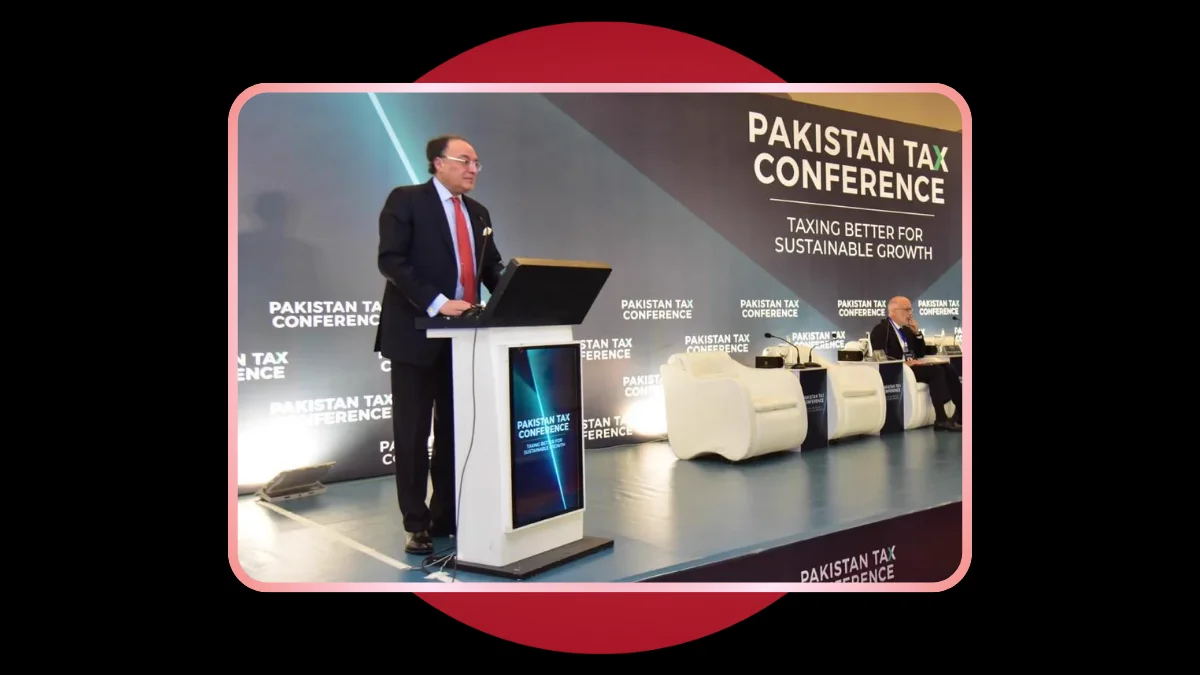
The Ministry of Finance and the International Monetary Fund (IMF) opened a high-level, two-day workshop in Islamabad on October 20–21, 2026, titled "Reforms for a Modern and Growth-Friendly Tax System in Pakistan". Co-chaired by Federal Minister for Finance and Revenue Senator Muhammad Aurangzeb, Director of the IMF’s Middle East and Central Asia Department Jihad Azour, and Director of the IMF’s Fiscal Affairs Department Rodrigo Valdés, the summit centers on restructuring Pakistan's tax architecture under the ongoing Extended Fund Facility (EFF) program. Key operational thematic areas, structural objectives, and inter-governmental priorities include:Six Core Discussion Pillars: The agenda is structured across six substantive modules: "Taxing Better to Boost Growth", "The Case for Modernizing Pakistan's Tax System", "Designing and Implementing a Unified Sales Tax Regime across the Federation and Provinces", "Toward a Simpler and More Neutral Income Tax System", "Aligning Tax Administration with Best Practices: Digitalization, Compliance and Taxpayer Trust", and "Fiscal Federalism and Provincial Tax Revenues".
Pakistan’s Ministry of Finance and the International Monetary Fund (IMF) will hold a two-day workshop on October 20–21 to discuss reforms aimed at modernising the country’s tax system and supporting sustainable economic growth.
The workshop, titled “Reforms for a Modern and Growth-Friendly Tax System in Pakistan”, will bring together senior government officials, IMF and World Bank representatives, international tax experts, academics and private-sector leaders.
High-Level Opening and Executive Leadership
Federal Minister for Finance and Revenue Muhammad Aurangzeb delivered the opening remarks alongside Jihad Azour, director of the IMF’s Middle East and Central Asia Department, and Rodrigo Valdés, director of the IMF’s Fiscal Affairs Department.
The initiative reflects the government’s commitment to advancing tax reforms aimed at building a more efficient and growth-friendly tax system under Pakistan’s ongoing structural adjustment program.
Six Strategic Pillars of Tax Overhaul
The discussions will cover six key areas, including the relationship between taxation and economic growth, modernisation of the tax system, a unified sales tax regime across the federation and provinces, and a simpler income tax structure.
Participants will also examine tax administration, digitalisation, taxpayer trust, fiscal federalism and provincial revenue collection. The discussions are intended to identify ways to make tax rules simpler, fairer and more predictable for businesses and individuals.
Federal-Provincial Sales Tax Harmonization
A unified sales tax framework is among the key subjects on the agenda, reflecting the challenge of coordinating taxation across federal and provincial jurisdictions. The workshop will also examine ways to improve compliance and use digital systems to strengthen tax administration.
By harmonizing rate structures and filing procedures between the Federal Board of Revenue (FBR) and provincial revenue boards, the proposed unified system aims to reduce compliance costs for multi-provincial businesses and close revenue leakage gaps.
Revenue Mobilization and Long-Term Engagement
The organisers said the discussions would focus on improving revenue mobilisation while supporting investment, business expansion and productivity. The workshop will conclude with a high-level panel to consolidate recommendations, identify priority actions and establish arrangements for continued engagement among stakeholders.
The initiative forms part of the government’s broader effort to reform Pakistan’s tax system, improve revenue collection and create a more growth-oriented fiscal framework.