
Obesity Medication Offers Fast Results But at the Expense of Long-Term Health.
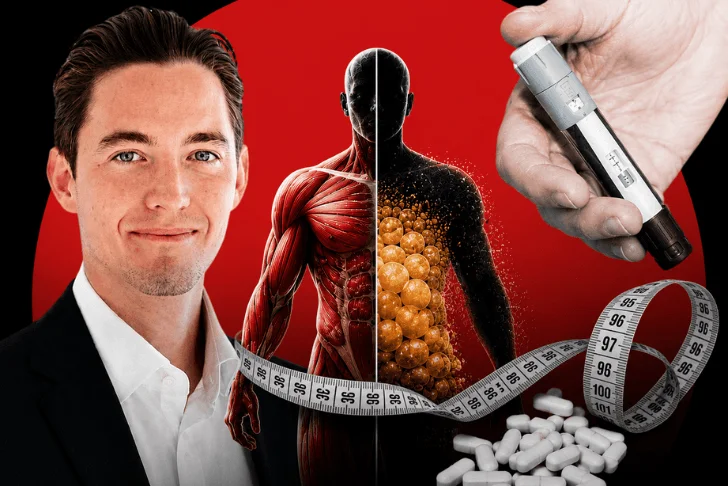
While injection pens and weight-loss pills are rapidly gaining ground across the Western world, the public debate remains heavily focused on the numbers on the scale—not on the body’s actual health and the long-term consequences.
By Gustav H. Gram, CEO of Pila Pharma, a biotech company developing a new oral treatment for obesity and diabetes.
Demand for GLP-1 medication for weight loss is skyrocketing across Europe, particularly in the United Kingdom, Germany, and France. In the UK, researchers estimate that roughly 1.6 million adults used weight-loss medications like Wegovy and Mounjaro between 2024 and 2025 alone. Meanwhile, France is set to become the first European nation to begin covering the cost of weight-loss medication through its public healthcare system, drastically broadening access for its citizens.
Globally, the weight-loss drug market is projected to more than double to a staggering US$190 billion by 2035, heavily driven by rapid adoption in the United States and Europe. Yet, as obesity medication cements itself as a global phenomenon, the discussion surrounding long-term physiological health has never been more urgent.
Focus on True Health Rather Than Weight Loss
Although current pharmaceuticals lead to impressive short-term results, the long-term health consequences are often entirely overlooked. So far, the global debate has primarily fixated on the percentage of body weight lost, rather than what the body is actually losing—muscle mass versus fat—and how patients fare after the treatment ends.
Studies published in The Lancet Diabetes & Endocrinology reveal a worrying reality: nearly half of the total weight lost using these obesity medications consists of crucial muscle mass.
Compounding the issue, clinical data and research show that the weight patients regain after ending treatment consists almost entirely of fat. This creates a dangerous “rebound” effect where individuals end up with a worse body composition—and a lower metabolic rate—than before they began treatment. This raises a critical ethical question: are we treating the root causes of metabolic dysfunction, or merely masking the symptoms to chase market shares?
Shifting from a Quick Fix to Sustainable Care
The immense hype surrounding injection pens and upcoming weight-loss pills is understandable. For millions struggling with chronic obesity, losing 10 to 20 percent of their body weight via a medical prescription sounds almost fairy-tale-like.
However, the end does not justify the means when the medicine acts as a temporary quick fix. Instead of rushing to drop weight as fast as possible, the medical community needs to shift its focus toward healthy, long-term weight management. Except for cases of severe, life-threatening obesity, weight loss should ideally be supported over a two-to-three-year horizon. Research consistently indicates that a slower, controlled timeline is the safest path to lasting weight reduction and true metabolic health.
The Path Forward for the Global Community
As a global society, our ambition must be to develop and offer safe, accessible therapeutic alternatives that preserve muscle mass and functional health while systematically reducing fat.
It is vital that individuals have access to solutions that promote controlled, steady weight loss over time, supporting genuine physical health rather than merely cosmetic, short-lived results. This holistic approach is the only sustainable way forward to truly strengthen long-term quality of life for both individuals and healthcare systems worldwide.