20 Operational Landmines: What They Don’t Tell You Before You Open a Restaurant
Listen12 min
Read aloud by your device’s built-in synthetic voice, not a recording. Needs a browser that can read aloud.
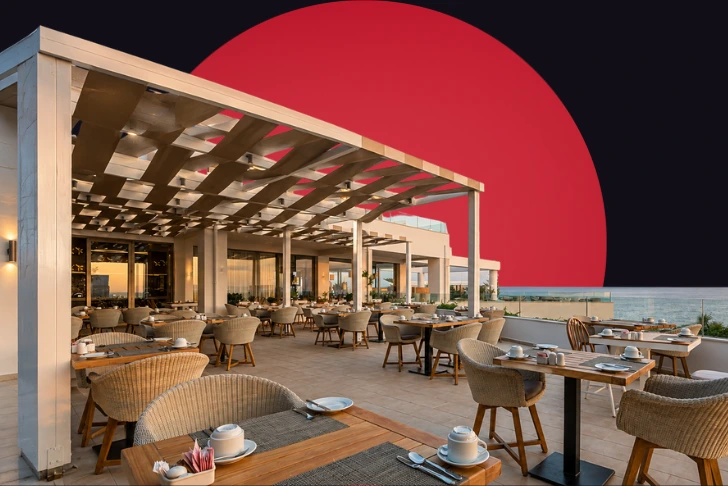
Every year, I see passionate, aspiring entrepreneurs dive headfirst into the food and hospitality sector, blinded by a romanticized vision of the culinary world. They pour capital into pristine interior design, top-tier menu curation, and grand launch campaigns, operating under a simple, fatal assumption: if we have a lush spot, an attractive ambiance, and serve great food, the business will thrive. It is a beautiful illusion, but it only accounts for what happens in front of the house. Once you pull back the curtain and take an uncompromising look at the actual day-to-day backend operations, an entirely different reality emerges. This domain is absolutely not for casual time or energy givers. It is easily one of the most grueling, time- and energy-demanding businesses in existence, requiring a relentless, 24/7 direct and indirect engagement routine from the owner despite having process guardrails. Just last year, a successful serial-entrepreneur I know pumped big money into the same dream — beautiful space at a strategic location, well-curated menu, grand launch — and was forced to close within eighteen months.
Setting Expectations: A Quick Reality Check
What follows below isn’t meant to discourage you, but to educate you. This is fundamentally an exercise in expectation management—calibrating your perspective and laying out exactly what to expect on the ground so you can navigate this treacherous path strategically rather than emotionally. These are hard-earned backend insights spanning over two decades of cross-sector management experience and close to a decade observing, studying, and managing operational deployment within this specific ecosystem. Consider this a free piece of high-level operational consultancy; a philanthropic gesture, a give-back to this domain and ecosystem. If you are just looking for cozy, comfy business delights, simply scroll away right now because this domain is not for the faint-harted.
The Restaurant Sector as a Baby-Faced Assassin
The sector looks vibrant and welcoming on the outside, but can digest newbies at an alarming speed before they even notice their chapter is finished.
Having deep pockets doesn’t make you competent; without ironclad systems and steel nerves, a large bankroll just makes you a favorite, easy gulp. While robust, standardized processes are the ultimate cure, the real killers are the sneaky, human-centric friction patterns that dent your revenue right under your nose:
- Financial leaks at the till happen when you lack an honest cashier or accountant. They are your strongest shield; otherwise, incompetence or a single loophole in your point-of-sale process becomes a fast drainage point, quietly sucking away hard-earned revenue.
- Administrative and compliance delays create a ticking legal timebomb behind the scenes. Depending on the size of your entity, responsible staff can quietly delay the submission of critical artifacts or regulatory compliances, brewing up severe penalties and completely avoidable litigations.
- Hidden billing penalties quietly bleed your cash flow under the carpet. Staff delaying the payment of utilities or operational bills triggers late-payment surcharges that get swept under the rug while you, the owner, blindly accept the inflated total as just part of the rising cost of doing business.
- Front-of-house sabotage is a silent operational killer. Restaurant managers can deliberately divert business to competitors, while front staff systematically slow down service to let customers flee, or simply switch off ordering tablets to avoid work. Even worse is the silent treatment—intentionally hiding review cards or ignoring customers to the point that they walk out, knowing people rarely give feedback unless explicitly asked.
- The invisible backend bleed will rot your foundation from within. Housekeeping staff ignoring drainage until a gushing gutter ruins the guest experience; chefs dumping fresh, expensive oil by declaring it unsafe for frying; watchmen leaving openings exposed to rain and theft; kitchen teams aggressively chopping off perfectly good, usable portions of premium ingredients straight into the bin to save themselves the time of proper trimming; or dishwashing staff carelessly draining away huge, unauthorized quantities of expensive cleaning chemicals down the sinks, only to collectively blame the “inferior quality” of the products to justify their artificially high rate of consumption when confronted.
- Passive-aggressive asset damage traps you in an endless financial drain. Staff intentionally or carelessly leaving washroom taps loose to inflate utility bills, or keeping high-load appliances running continuously until they burn out, deliberately locking your equipment into a vicious, never-ending repair and maintenance cycle.
- The lucrative maintenance kickback racket turns your equipment into a personal profit center for staff. Certain employees will actively abuse equipment to break it down on purpose. While small items like blenders, choppers, and coffee machines are easy targets, this extends to even the most rugged machinery—like industrial generators or commercial vehicles built to last 5–10 years under warranty. The staff member in charge of repairs builds a cozy relationship with outside mechanics, taking a personal cut or kickback on every single maintenance call and repair invoice you pay.
- Concealed vendor sabotage leaves behind invisible operational hazards. An incoming repair team or a new contractor can carelessly damage your existing setup in a way that you only notice long after they are gone—think loose, hazardous electrical connections concealed behind false ceilings, faulty plumbing patches, or botched digital interfacing.
- Calculated, high-stakes abandonment catches you at your most vulnerable moment. Be ready for crucial, load-bearing staff members to silently walk out on your entity entirely without notice. It always seems to happen precisely when you are about to serve a major wedding party, a massive corporate event, or a crucial setup for a high number of guests, leaving you entirely stranded in full view of the client.
- The law of total operational Murphy’s Law strikes without warning. Imagine you are in a high-stakes pitch meeting with a premium entity to become their primary food-sourcing partner. Coincidentally, your quality supervisor is absent or on leave for a genuine reason. Right at that exact moment, the corporate sample delivered is severely below par. Alternatively, an undercooked or poorly prepared batch sneaks through right at the chaotic peak of a massive event when everyone is too busy to notice, ending up directly on the tables of high-stakes guests, influential dignitaries, or individuals belonging to the food regulatory authority.
- The “due duration” blame-shift leaves you holding the financial and reputational bill. When you investigate a catastrophic food quality failure, the kitchen team shrugs and claims they gave the food its standard cooking time. The chef will tell you that the animal supplied by the vendor was probably aged, meaning specific meat portions never tenderized properly. Because they were entirely consumed by managing rapid refills during the rush, they ignored or forgot to double-check the final texture. At that point, you cannot instantly validate the butchery or procurement line; you simply have to quench the fire and absorb a massive financial and reputational hit on the spot.
- Information leakage and competitive sabotage brew quietly in the shadows. Disgruntled or loosely managed staff disclosing sensitive, highly guarded operational details, proprietary recipes, or internal data to competitors or outside parties with malicious intent to harm your business.
- Systemic gatekeeping aggressively blocks positive, honest change. Existing, comfortable staff will actively resist letting new vendors or superior personnel engage with the business to maintain their toxic status quo. If a highly competent, honest professional is hired, the corrupt inner circle will make them so irritated, isolated, and suffocated that the newcomer will either flee or give in and become part of their parasitic ecosystem.
- Internal theft and compromised loyalty bleed your daily margins. Staff giving unauthorized, unaccounted food and services to themselves and other team members. Even worse, managers or accounts blackmailing staff on paydays triggers a vicious cycle where staff starts secretly giving away complimentary items just to secure their own hard-earned salaries. This is further compounded when managers improperly account for leaves, holidays, and timesheets, or manipulate owner-authorized remuneration giveaways based on personal discretion and favoritism rather than on merit. This ends up establishing a parallel administrative symbiotic structure on various levels, all while parasitizing on the owner.
- Spoilage thrives through lazy, unmonitored inventory management. Kitchen teams ignoring FIFO (First-In, First-Out) principles—lazily grabbing the latest stock while letting older, perfectly good ingredients rot at the bottom of the freezer.
- Supply chain and procurement friction choke daily efficiency. Accounts delaying payments or blackmailing great vendors forces them to retaliate by supplying low-quality products to compensate for their losses. Worse yet, procurement teams often lock themselves into specific vendors who provide personal benefits and kickbacks to the staff, completely robbing the entity of the chance to secure better quality, better quantities, and highly competitive service alternatives. Meanwhile, operations delays a minor repair until it swells into a massive, sales-killing disaster.
- The delivery weight and quality scam robs you of phantom stock. Receiving staff colluding with delivery drivers to sign off on invoices for full quantities or premium weights, while actually accepting shorted boxes, watered-down items, or lower-grade produce—leaving the owner to pay top-dollar for materials never received.
- The ultimate safety hazard is sheer negligence or active malice with utilities. Staff failing to properly switch off gas inlets causes gas to accumulate over time. While the team is gone and you are in a deep sleep, a single spark from a refrigerator cycling on can blow up the entire kitchen. Beyond destroying precious inventory on every level, it puts human lives at risk and leaves your position entirely compromised in front of safety and law enforcement institutions.
- Front-of-house customer extortion compromises the dining floor. Dealing with the toxic exception of customers deliberately escalating situations, getting loud, and manufacturing complaints purely as a blackmail tactic to score complimentary food and services—all while making other paying guests onsite highly suspicious of your quality.
- The rising menace of digital blackmail can instantly tank your reputation. Food vloggers approaching your establishment demanding free food for themselves and their entire entourage, holding the threat of negative propaganda over your head on social media if you refuse to entertain them.
Summing it all up across the global hospitality landscape, running a successful setup requires a monumental 360-degree daily effort in improving processes and vigilance aspects.
It is a minefield meant only for experienced players with nerves of steel. You have to be fully ready to accept the raw reality of what you are about to enter—though discovering, protecting, and nurturing that rare, ironclad, honest core team remains the ultimate holy grail that makes this entire daily battle winnable.
For all those resilient owners, founders, and entities who have survived this brutal battle for 4 to 5 years and beyond—you deserve a standing ovation and massive applause. Keeping the doors open sustainably in this ecosystem for over half a decade is nothing short of an operational miracle.
Honestly, dealing with these constant, draining human-centric headaches makes a very strong case for the ultimate “lessons learned” way forward: either you commit to dealing with this chaos day in and day out, or you pivot toward automated kiosk models or low-touch setups with minimal human interface friction!