Pakistan Considers Single Gas Price to Replace Slab Subsidies in Major Tariff Shift.
✧ GENERATE BRIEFING +
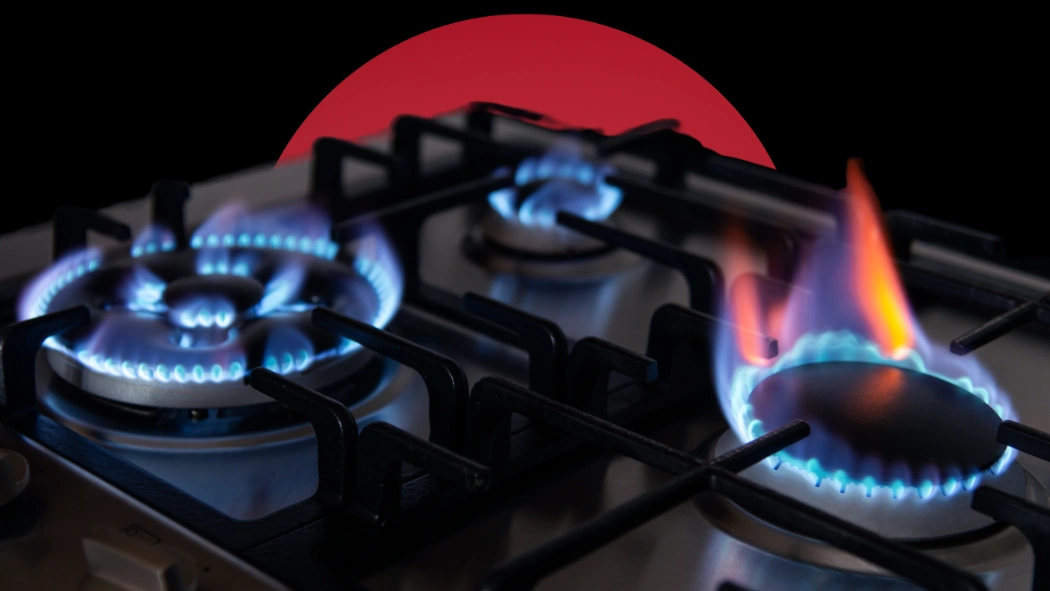
Pakistan’s Federal Ministry of Petroleum has formally initiated discussions to replace the country's long-standing slab-based gas pricing system with a uniform single gas price across all consumer categories. Unveiled during a high-level review at Sui Southern Gas Company Limited (SSGCL) headquarters in Karachi, the proposal aims to eliminate cross-subsidies that currently distort fuel usage, halt the accumulation of gas sector circular debt, and streamline energy tariffs. To mitigate the social impact on low- and middle-income domestic households, the government plans to detach relief from consumption slabs and instead route direct cash transfers through targeted social protection programs (such as BISP).
Federal Minister for Petroleum Ali Pervaiz Malik announced that the government is evaluating a fundamental restructuring of Pakistan’s retail gas pricing model. Speaking during a strategic performance review with the board and senior leadership of Sui Southern Gas Company Limited (SSGCL), the minister confirmed plans to phase out progressive slab tariffs in favor of a single, cost-reflective price per MMBtu for all consumer categories.
Under the current pricing regime, gas rates range from Rs 500 to Rs 4,300 per MMBtu depending on monthly consumption tiers. This structure has incentivized fuel-switching, distorted industrial pricing, and burdened state utilities with unrecovered costs.
Addressing Structural Distortions and Circular Debt
Minister Malik highlighted that gas tariffs have remained unchanged over the past year, successfully slowing the accumulation of gas sector circular debt. However, bringing long-term financial viability to state utilities requires moving away from distorted price tiers to a single cost-reflective rate—currently estimated by the Oil and Gas Regulatory Authority (OGRA) at an average prescribed benchmark of ~Rs 1,700 per MMBtu.
- Targeted Social Protection: Subsidies will be uncoupled from natural gas billing and redirected as direct fiscal transfers to vulnerable households through existing social safety nets.
- Industrial Stabilization: Establishing a uniform price aims to prevent commercial and industrial consumers from switching to dirtier alternative fuels (such as furnace oil or captive coal) while ensuring steady feedstock pricing for fertilizer plants and power producers like K-Electric.
SSGCL Operational Performance & Loss Control
During the session, SSGCL leadership briefed the ministry on distribution network improvements, reporting a 57% volumetric reduction in Unaccounted-For Gas (UFG) achieved through aggressive anti-theft enforcement and pipeline rehabilitation.
Malik instructed the SSGCL board to finalize a self-sustaining business strategy focusing on further UFG cuts, improved revenue collection, and prioritized gas distribution for Balochistan. The gas pricing overhaul is being developed in coordination with the World Bank as part of a broader structural reform program across Pakistan’s energy sector.