
GMO Corn Plan Sparks Backlash From Farmers, Experts.
Listen2 min
Read aloud by your device’s built-in synthetic voice, not a recording. Needs a browser that can read aloud.
✧ GENERATE BRIEFING
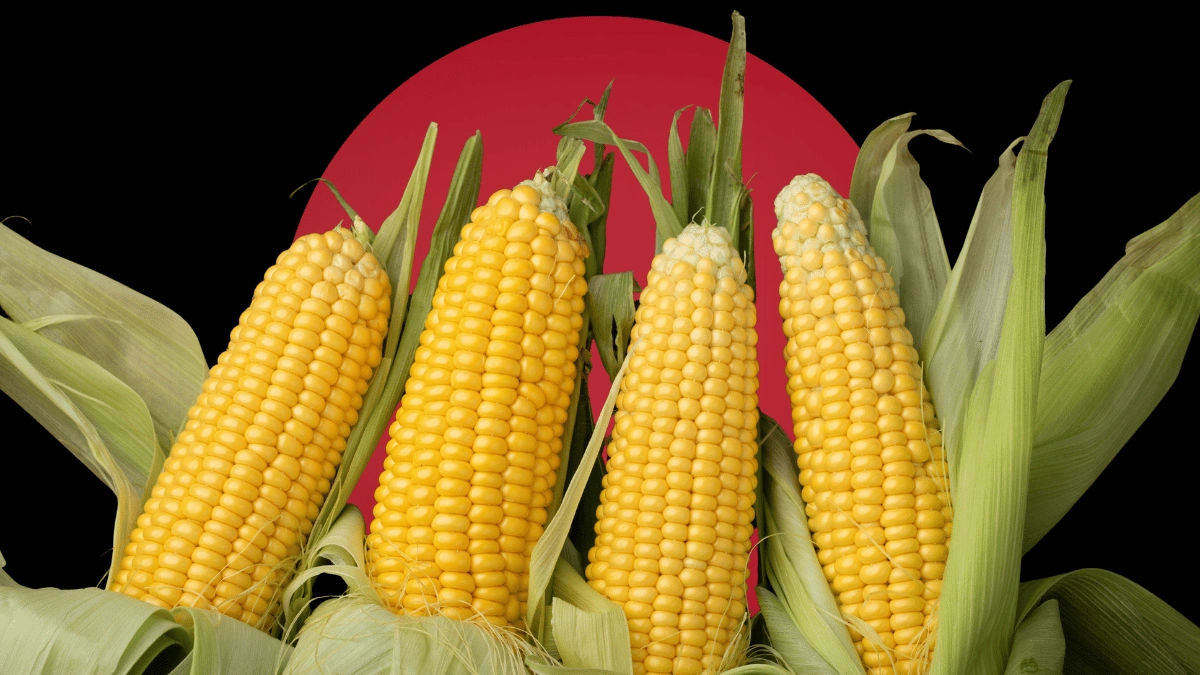
A broad coalition of farmers, agricultural scientists, exporters, and seed-sector stakeholders has strongly opposed the government’s proposed commercial approval of genetically modified organism (GMO) corn cultivation. Convened at a national representative meeting in Lahore organized by Zarai Ittehad Pakistan, participants formally called for an immediate halt to policies permitting GMO maize, arguing the move introduces severe, long-term risks to national agriculture, food security, and lucrative export streams. Farooq Bajwa, President of the Basmati Growers Association, cautioned that maize is a highly cross-pollinating crop capable of compromising Pakistan's non-GMO agricultural profile—specifically threatening the country's Basmati rice exports, which exceed $1 billion annually.Echoing these concerns, Pakistan Kissan Ittehad President Khalid Mahmood Khokhar argued that domestic maize yields are already highly competitive and sufficient, negating any structural need for GMO adoption. Stakeholders also criticized the government's consultation framework, alleging a lack of representation for local farmers and independent scientists while favoring multinational agribusinesses.
Farmers, scientists, exporters and seed-sector representatives have opposed the government’s proposed approval of genetically modified (GMO) corn cultivation, warning that the move could create risks for Pakistan’s agriculture, food security and export markets.
The concerns were raised at a national representative meeting in Lahore organised by Zarai Ittehad Pakistan, where participants called for the government to halt implementation of recommendations allowing commercial GMO maize cultivation.
Farooq Bajwa, President of the Basmati Growers Association, warned that maize is highly cross-pollinating and could affect the non-GMO status of crops. He specifically highlighted potential risks to Pakistan’s Basmati rice exports, which stakeholders said exceed $1 billion annually.
Pakistan Kissan Ittehad President Khalid Mahmood Khokhar also opposed the proposal, arguing that domestic maize yields are already competitive and that there is no clear need to shift to GMO cultivation.
Participants further criticised the government’s consultation process, alleging that local farmers, scientists and seed companies were not adequately represented while multinational companies were included. They warned that greater reliance on imported GMO seed could weaken Pakistan’s domestic seed industry.
Agriculture and biotechnology experts also raised concerns about biosecurity and dependence on imported seed supplies, arguing that disruptions to seed availability could create vulnerabilities for the country’s food system.
Speakers said Pakistan has already developed strong local hybrid maize capabilities, with yields reportedly exceeding 100 maunds per acre, and questioned whether commercial GMO adoption is necessary under current conditions.
The meeting unanimously called for an independent and transparent assessment of GMO corn’s potential effects on human health, the environment, agriculture, exports and the economy. Participants warned that failure to address their concerns could lead to large-scale protests across the agriculture sector.

 Agriculture
 Agriculture
 Agriculture