
CM Maryam Nawaz Launches Mobile Veterinary Fleet To Take Livestock Care To Farmers.
Listen2 min
Read aloud by your device’s built-in synthetic voice, not a recording. Needs a browser that can read aloud.
✧ GENERATE BRIEFING
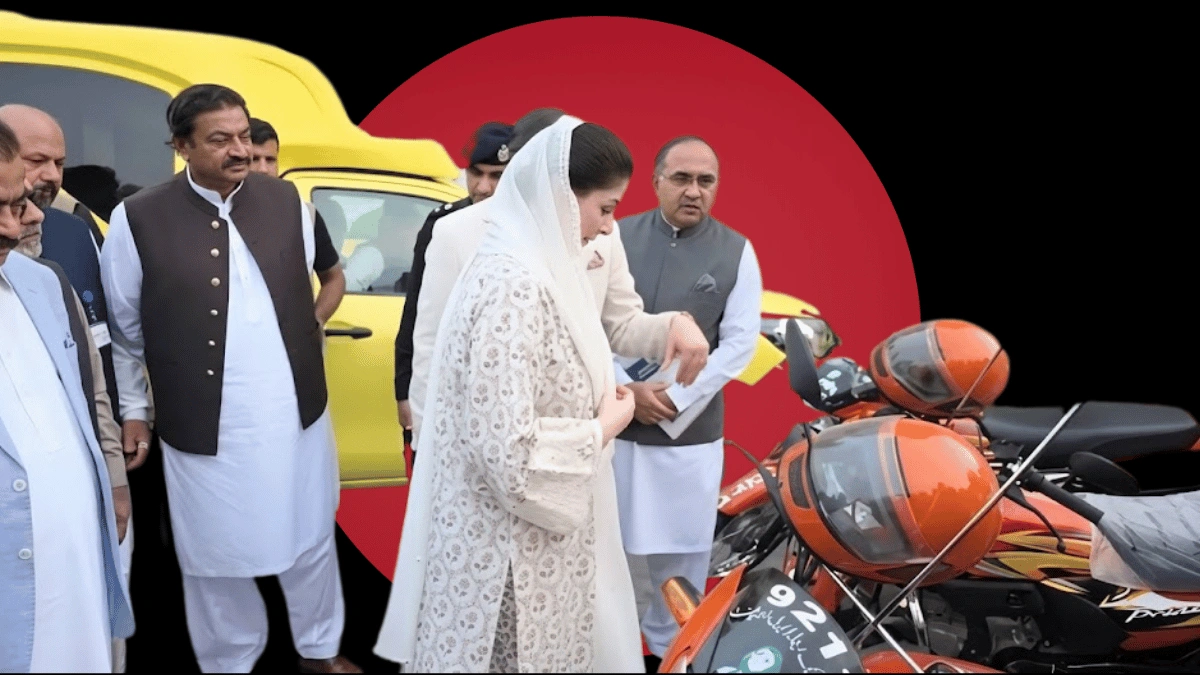
Punjab Chief Minister Maryam Nawaz Sharif has officially launched a statewide mobile veterinary fleet designed to deliver decentralized livestock healthcare, diagnostic testing, and animal treatment directly to farmers' doorsteps. The initiative introduces an initial rollout of 30 mobile veterinary dispensaries and 17 mobile veterinary laboratories, effectively extending professional veterinary services beyond conventional brick-and-mortar hospitals into remote and rural agrarian communities. To build an even more robust grassroots network, the provincial government plans to deploy veterinary assistants equipped with 6,964 mobile motorbikes, enabling rapid, on-site veterinary response for small and medium-sized livestock holders across Punjab.The program addresses a critical logistical bottleneck for rural farmers who traditionally must transport cattle, buffaloes, sheep, and goats over long distances to reach established veterinary centers. By enabling prompt disease diagnosis and treatment closer to the farm, the initiative aims to curb livestock mortality, enhance milk and meat productivity, and protect household rural incomes.
Punjab Chief Minister Maryam Nawaz Sharif has launched a mobile veterinary fleet aimed at taking livestock treatment, disease diagnosis and other veterinary services directly to farmers across the province.
The initiative includes 30 mobile veterinary dispensaries and 17 mobile veterinary laboratories, expanding veterinary coverage beyond conventional hospitals and fixed facilities. The government says the programme is designed particularly to reach farmers in rural and underserved areas.
The mobile facilities are equipped to provide on-site veterinary services, including diagnostic support. The programme is intended to allow livestock diseases to be identified and treated closer to farms, reducing the need for farmers to transport animals to distant veterinary centres.
As part of the wider expansion, Punjab plans to deploy veterinary assistants on 6,964 mobile motorbikes. These workers will provide treatment and basic veterinary services at livestock farmers’ premises, creating a larger doorstep network for animal healthcare.
The initiative could be particularly important for Punjab’s livestock sector, where small and medium-sized farmers depend on cattle, buffaloes, sheep and goats for household income. Faster access to veterinary treatment can help reduce animal losses and improve productivity in milk and meat production.
The provincial government is also pursuing an expansion of fixed veterinary infrastructure alongside the mobile network. Plans include the construction and rehabilitation of 230 veterinary hospitals across Punjab, with modern veterinary facilities planned at the tehsil level.
The move represents a shift from a predominantly facility-based veterinary system towards doorstep livestock services, potentially allowing farmers in remote areas to access treatment and diagnostic facilities without travelling long distances.
For Punjab’s livestock economy, the effectiveness of the programme will ultimately depend on how consistently the mobile units operate, the availability of medicines and diagnostic equipment, and whether trained veterinary personnel can reach farmers when services are needed.

 Agriculture
 Agriculture
 Agriculture