Bangladesh’s Industrial Growth Hit By Soaring LNG Prices Amid Middle East Crisis.
✧ GENERATE BRIEFING +
Bangladesh’s industrial expansion and fiscal stability are facing severe strain due to soaring liquefied natural gas (LNG) prices, production curtailments, and widespread power outages, according to Power Minister Iqbal Hasan Mahmud. Speaking at the Gastech conference in Bangkok, Mahmud highlighted that more than 40% of Bangladesh’s electricity generation depends on imported LNG, with the government already allocating nearly 4% of GDP toward energy subsidies before the latest geopolitical escalation.The energy crunch intensified dramatically after Qatar—which historically supplies roughly 95% of Bangladesh’s LNG imports—halted exports due to supply disruptions and security blockades around the Strait of Hormuz. Forced onto the volatile spot market, Bangladesh has watched Asian spot LNG prices more than double to $25.70 per million British thermal units (MMBtu)—their highest mark since December 2022. To insulate the economy, Dhaka is actively seeking supply diversification through Indonesia, Australia, and China while fast-tracking a major green transition, including 10,000 MW of planned solar capacity over five years, five-year tax holidays for renewable and lithium-battery investments.
Bangladesh’s industrial expansion is facing serious pressure from surging liquefied natural gas (LNG) prices, which have contributed to production cuts, power outages and rising government subsidy costs, Power Minister Iqbal Hasan Mahmud said on Monday.
“Industrial growth is slowing down, and production is going down,” Mahmud said while speaking at the Gastech conference in Bangkok, highlighting the impact of the energy crisis on the country’s economy.
Bangladesh relies heavily on imported LNG, with more than 40% of its electricity generation linked to the fuel. The government was already spending nearly 4% of gross domestic product (GDP) on power and gas subsidies before the latest escalation in the regional conflict.
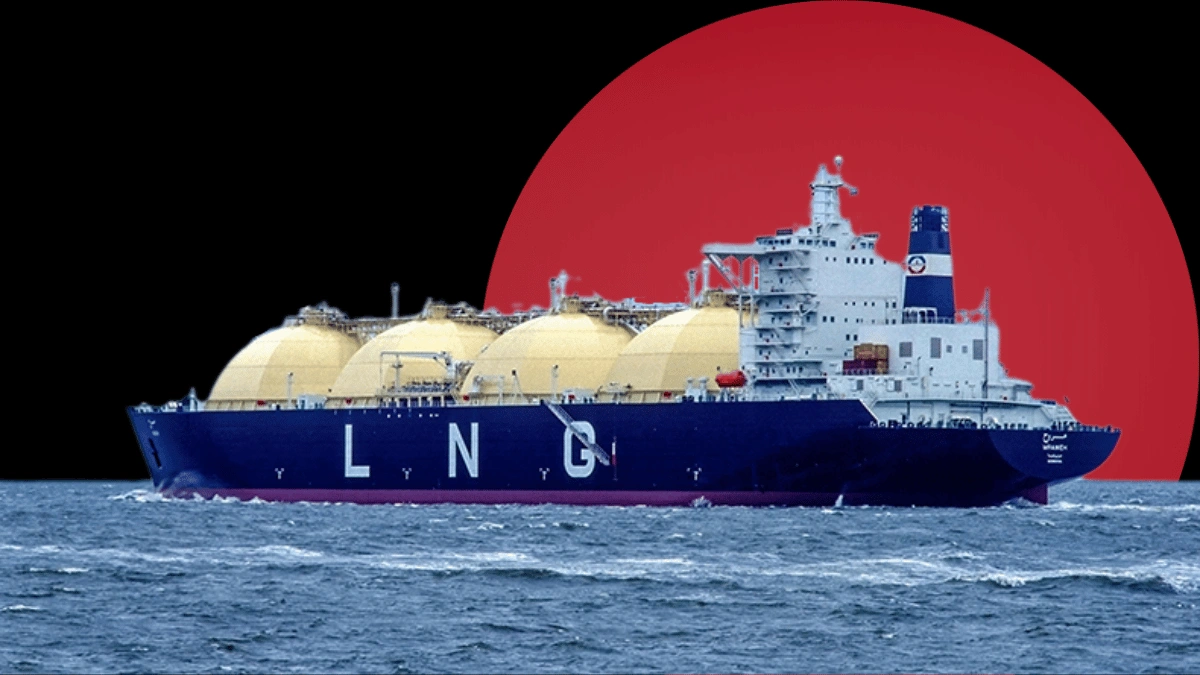
The situation worsened after Qatar, Bangladesh’s main LNG supplier, halted exports amid disruptions around the Strait of Hormuz. Qatar previously accounted for around 95% of Bangladesh’s LNG imports, forcing the country to purchase more expensive supplies from the spot market.
Asian spot LNG prices have more than doubled since the conflict began, reaching $25.70 per million British thermal units (MMBtu) last week—the highest level since December 2022. The increased import bill is adding to pressure on Bangladesh’s budget and limiting funds available for development projects.
Mahmud said Bangladesh was seeking to diversify its LNG supplies by exploring potential sources in Indonesia, Australia and China. Russian supplies were considered difficult to access because of Western sanctions.
The government is also planning to install 10,000 megawatts of solar power over the next five years and offer five-year tax holidays to investors in solar energy and lithium-battery projects. Bangladesh is further discussing small modular nuclear reactors with China and considering greater use of coal because of its relatively stable prices.
The energy crisis highlights the risks of heavy dependence on imported fuels and vulnerable shipping routes. For Bangladesh, a broader energy mix and increased domestic renewable generation could become essential to protecting industrial production, public finances and long-term economic growth.