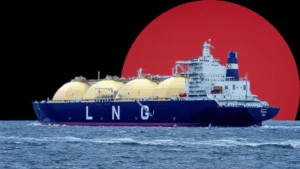
Saudi Pipeline Disruption Pushes Brent Crude Towards $110.
✧ GENERATE BRIEFING +
Crude oil prices surged past $107 to $110 per barrel on Monday, reaching a 16-week high following coordinated attacks on Saudi Arabian energy infrastructure and vital maritime trade routes in the Middle East. The immediate catalyst for the sharp escalation was the forced shutdown of Saudi Arabia’s critical East-West pipeline after drone strikes. The 1,200-kilometer conduit—capable of moving up to 7 million barrels of crude per day—serves as the primary lifeline allowing the kingdom to transport oil to its Red Sea export hub at Yanbu while bypassing the increasingly volatile Strait of Hormuz. Reports indicating that repairs could keep the pipeline out of service for several weeks have deeply rattled global markets, threatening up to 4% of daily global oil supplies. This supply shock is compounded by severe maritime bottlenecks: commercial tanker traffic through the Strait of Hormuz has plummeted to single digits, and recent strikes on vessels have driven up freight, shipping insurance, and refining costs.
Oil prices climbed more than 4% on Monday, reaching a 16-week high as fresh attacks on Saudi Arabian energy infrastructure and ships in the Middle East intensified concerns over global crude supplies.
Brent crude futures rose sharply towards $110 per barrel, while U.S. West Texas Intermediate (WTI) crude gained past $104. Both benchmarks headed towards their highest closing levels since May.
The latest rally followed new drone and missile attacks targeting Saudi energy facilities, forcing the shutdown of Saudi Arabia’s strategic east-west pipeline. The route allows Saudi Arabia to transport up to 7 million barrels of crude per day to the Red Sea while bypassing the Strait of Hormuz. Its disruption places up to 4% of global oil supply at risk if the outage continues for several weeks.
The pipeline disruption has put immense pressure on Saudi Arabia’s Red Sea export hub at Yanbu, which relies on stored crude to maintain shipments. Industry sources estimate that available inventories can cover only five to seven days of exports, raising fears of forced production cuts.
Concerns over maritime security have also escalated significantly. Preliminary shipping data showed that commercial vessel traffic through the Strait of Hormuz fell to single-digit daily levels following fresh attacks on commercial tankers, driving up freight and insurance costs.
The disruption has heavily affected refined products as well, with diesel futures surging and refining margins climbing amid fears of widespread shortages.
The oil-price surge is rapidly increasing inflationary pressure globally and complicating central-bank monetary-policy decisions. Market analysts have warned that if repair timelines stretch out and Middle Eastern shipping routes remain constrained, a prolonged crisis could easily push Brent crude toward $120 per barrel.