PRL Signs Upgrade Agreement Under Revised Refining Policy To Modernize Karachi Plant.
Listen3 min
Read aloud by your device’s built-in synthetic voice, not a recording. Needs a browser that can read aloud.
✧ GENERATE BRIEFING
Pakistan Refinery Limited signs an Upgrade Agreement with the government under the revised brownfield refining policy to advance its multi-million dollar expansion. Pakistan Refinery Limited (PRL) has officially executed a long-awaited Upgrade Agreement with the Government of Pakistan through Inter State Gas Systems (ISGS). Signed on September 24, 2026, the agreement follows the approval framework under the amended Brownfield Petroleum Refining Policy. The pact acts as the legal gateway for PRL to proceed with its major Refinery Expansion and Upgrade Project (REUP) at Korangi Creek, Karachi. The initiative aims to double the plant's crude processing capacity from roughly 50,000 to 100,000 barrels per day, eliminate high-sulphur furnace oil output, and transition production entirely toward high-quality Euro-V standard petrol and diesel. Nationally, the coordinated signing by four domestic refiners unlocks an estimated $5 billion to $6 billion in modernization investments targeted over the next five years to enhance domestic energy security.
Pakistan Refinery Limited has signed a long-awaited Upgrade Agreement with the Government of Pakistan.
The company disclosed that the pact was executed through Inter State Gas Systems (ISGS), marking a major operational milestone for the country’s downstream energy sector.
The signing follows approval under the Pakistan Oil Refining Policy for Upgrade of Existing / Brownfield Refineries, as amended.
What The Agreement Actually Does
The agreement is not a construction contract. It is the legal gateway that lets PRL proceed with its approved upgrade under the revised policy.
ISGS has been designated as the implementation entity on behalf of the Petroleum Division. It will help execute the deal, monitor progress, and administer the incentive framework tied to the project.
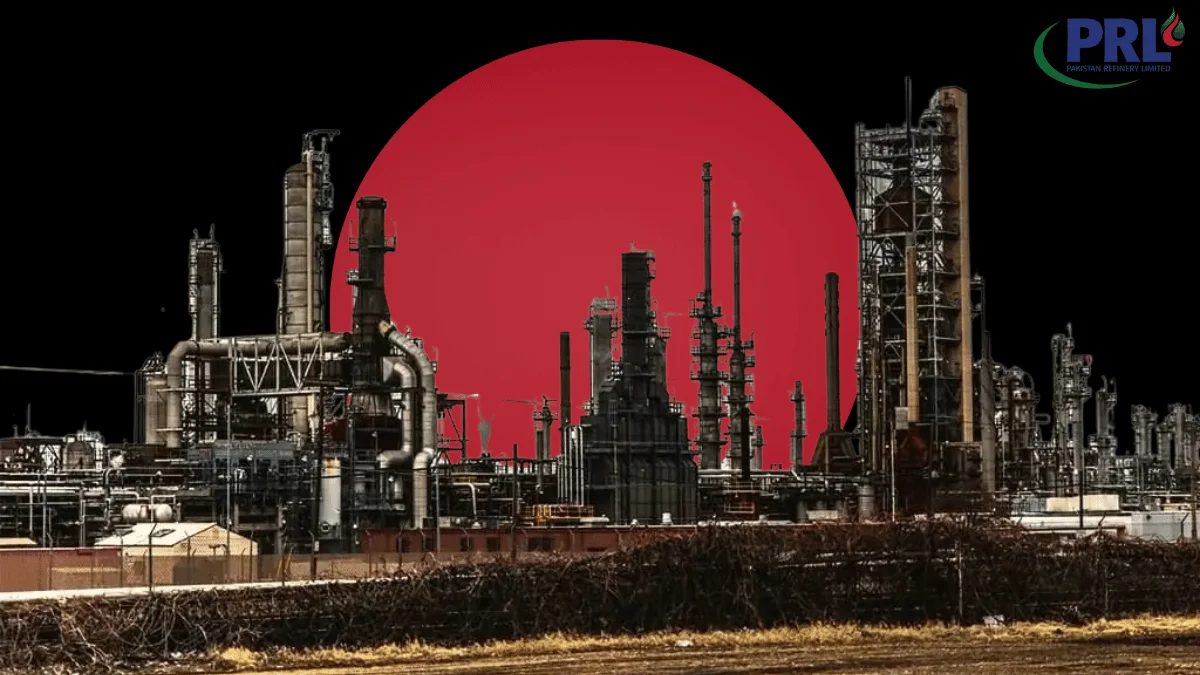
For PRL, that framework matters. The Karachi-based refinery still runs a hydro-skimming plant of about 50,000 barrels a day at Korangi Creek. Its planned Refinery Expansion and Upgrade Project aims to double capacity to 100,000 barrels a day, produce Euro-V petrol and diesel, and cut high-sulphur furnace oil.
Why This Moment Arrived Now
The original refining policy spent years in delay, amendment, and argument over incentives, implementation, and oversight mechanisms.
Recent policy revisions reset the framework, requiring refiners to sign fresh upgrade agreements to stay eligible for tariff protection and structural support. Four existing refiners, including PRL, signed their respective accords, clearing a multi-year hurdle.
Sector-wide, the programme is meant to lift petrol and diesel output, shrink furnace oil, and reduce import dependence. Combined investment across the brownfield plants is estimated at around five to six billion dollars.
What Comes Next For PRL
Signing is a milestone, not the finish line. PRL still needs financial close, firm EPC arrangements, and disciplined execution.
The company has already completed front-end engineering design and issued a conditional letter of intent after EPC-F bid evaluation. Financing, timelines, and conversion depth will decide whether the upgrade delivers cleaner fuels and a stronger product mix.
PRL said it remains committed to modernising the refinery in line with the policy and thanked the government for support to the refining sector. The next test is whether paper turns into steel, storage, and Euro-V barrels in Karachi.