LNG traffic through Hormuz rises to highest level since war began
Listen3 min
Read aloud by your device’s built-in synthetic voice, not a recording. Needs a browser that can read aloud.
✧ GENERATE BRIEFING
Liquefied natural gas (LNG) shipments transiting the critical Strait of Hormuz experienced a notable upward adjustment in September, reaching their highest monthly throughput levels since the onset of the ongoing conflict, though overall energy flows remain well below pre-war baselines amid persistent geopolitical and maritime security concerns. According to comprehensive trade and tracking data compiled by S&P Global Energy, a total of 19 outbound LNG cargoes cleared the strategic chokepoint during September—comprising 13 shipments originating from Qatar and 6 from the United Arab Emirates—marking a steady advance from the 15 cargoes recorded in June. Parallel tracking datasets published by Kpler estimated September figures even higher at 21 cargoes, confirming that regional maritime transit accelerated significantly during the latter half of the month despite ongoing combat risks and high insurance premiums. Industry analysts, including S&P Global senior principal analyst Eric Yep, project that if this heightened operational momentum persists through October.
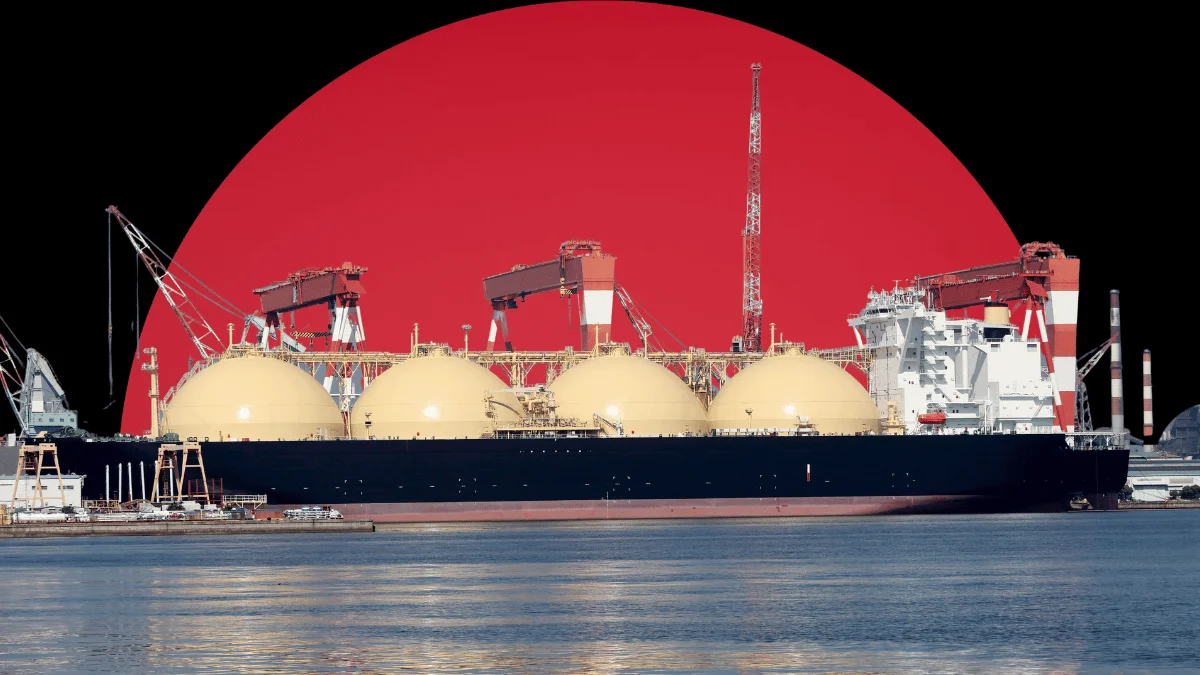
Liquefied natural gas (LNG) shipments through the Strait of Hormuz increased in September to their highest monthly level since the US-Israeli war on Iran began, although flows remained well below pre-war levels amid continued security concerns.
Data from S&P Global Energy showed that 19 LNG cargoes exited the strategic waterway during September, including 13 from Qatar and six from the United Arab Emirates. The figure was up from 15 cargoes in June.
Separate data from Kpler put September shipments at 21 LNG cargoes, also up from 15 in June. The increase indicates that LNG traffic through the waterway accelerated during the second half of September despite the ongoing conflict and shipping risks.
Transit Patterns and “Dark Transits”
Eric Yep, senior principal analyst at S&P Global, said that if the stronger transit pace continues into October, monthly LNG movements through Hormuz could recover to around 25% of pre-war levels. Before the conflict, roughly three LNG cargoes a day regularly passed through the strait.
Several QatarEnergy-linked vessels carrying cargoes from Qatar’s Ras Laffan export terminal have recently reappeared outside the Strait of Hormuz. Ship-tracking data showed vessels including Al Kharaitiyat, Al Gharrafa and Milaha Qatar moving through the waterway before reappearing west of India.
Some vessels have been conducting so-called “dark transits”, switching off their Automatic Identification System (AIS) transponders while passing through the strait. This makes the exact scale of LNG movements more difficult to determine and adds uncertainty to estimates of global gas supplies.
Winter Outlook and Market Sensitivity
The recovery in shipments remains fragile. S&P Global said a key concern is whether LNG traffic can be sustained during the winter months, particularly if Iran escalates military action or views increased exports through Hormuz as reducing its leverage over the strategic waterway. The cost and availability of shipping convoys supported by US naval escorts are also important factors.
The Strait of Hormuz carried around one-fifth of global crude oil and LNG supplies before the war began on February 28. A sustained recovery in LNG traffic could ease some supply pressures, but continued security risks mean global LNG markets remain sensitive to developments in the region.