
Govt Plans Rice Planter Feasibility Study To Raise Yields, Cut Costs
Listen2 min
Read aloud by your device’s built-in synthetic voice, not a recording. Needs a browser that can read aloud.
✧ GENERATE BRIEFING
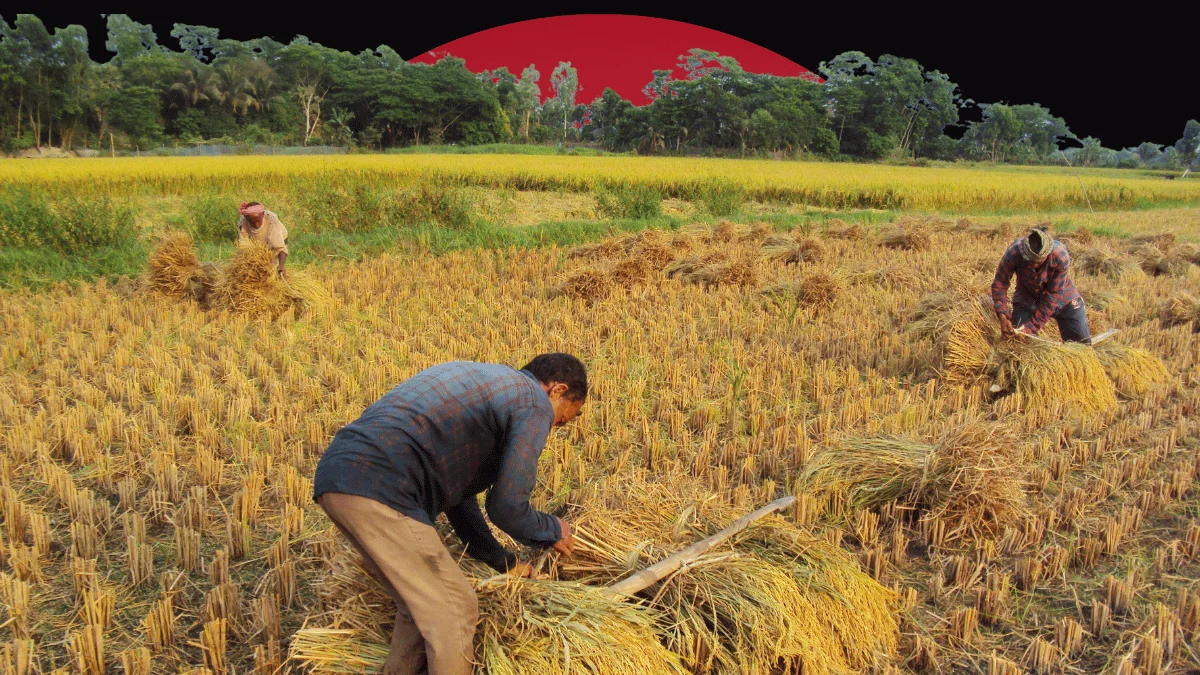
The federal government has initiated steps to modernize Pakistan’s agricultural sector by commissioning a comprehensive feasibility study on introducing mechanical rice planters across major cultivation belts in Punjab and Sindh. Chaired by Federal Minister for Economic Affairs and Establishment Division Senator Ahad Cheema, high-level deliberations highlighted that mechanized rice planting could elevate crop yields by up to 15% while substantially lowering production costs per kilogram. To ensure a robust empirical foundation, Minister Cheema has directed the Food Secretary to formulate the study in close coordination with provincial administrations, mapping out a collaborative cost-sharing framework involving the federal and provincial tiers alongside farming communities.Furthermore, the government plans to engage key industry stakeholders including the Rice Exporters Association of Pakistan (REAP), the Engineering Development Board, and commercial entities already utilizing mechanization to evaluate operational parameters, equipment distribution mechanisms, and supply chain logistics.
he federal government has directed officials to prepare a feasibility study on introducing rice planters in Pakistan’s major rice-growing areas, with the technology potentially increasing yields by up to 15% while reducing production costs per kilogram.
The decision was taken at a meeting chaired by Federal Minister for Economic Affairs and Establishment Division Senator Ahad Cheema, where officials briefed the minister on the potential benefits of mechanised rice planting.
The proposed initiative will initially focus on major rice-producing areas in Punjab and Sindh. The feasibility study will assess the technology’s economic viability, its potential to improve production efficiency and its likely impact on Pakistan’s rice exports.
Collaborative Framework and Stakeholder Consultation
Cheema directed the Secretary Food to prepare the study in consultation with provincial governments. If the assessment establishes a viable case, the federal government plans to invest in the programme jointly with provincial governments.
The study will also examine a cost-sharing model involving the federal government, provincial governments and farmers. Officials will identify suitable farmers and develop a mechanism to distribute rice planters across relevant rice-growing regions.
The government also plans to consult the Rice Exporters Association of Pakistan (REAP), Engineering Development Board and private companies already using rice planters to assess practical requirements and industry experience.
Training, Support, and Export Competitiveness
The minister stressed that simply providing machinery would not be sufficient. The proposed programme would include farmer training, after-sales services, technical support and technology transfer to ensure farmers can properly operate and maintain the equipment.
If implemented, greater mechanisation could help Pakistan improve rice productivity, reduce production costs and strengthen the competitiveness of its rice exports. However, the proposal remains at the feasibility-study stage, and no final investment or nationwide rollout has yet been approved.

 Agriculture
 Agriculture
 Agriculture