
Pakistan Opens Door To Russian Agricultural Technology, Seed Cooperation
Listen3 min
Read aloud by your device’s built-in synthetic voice, not a recording. Needs a browser that can read aloud.
✧ GENERATE BRIEFING
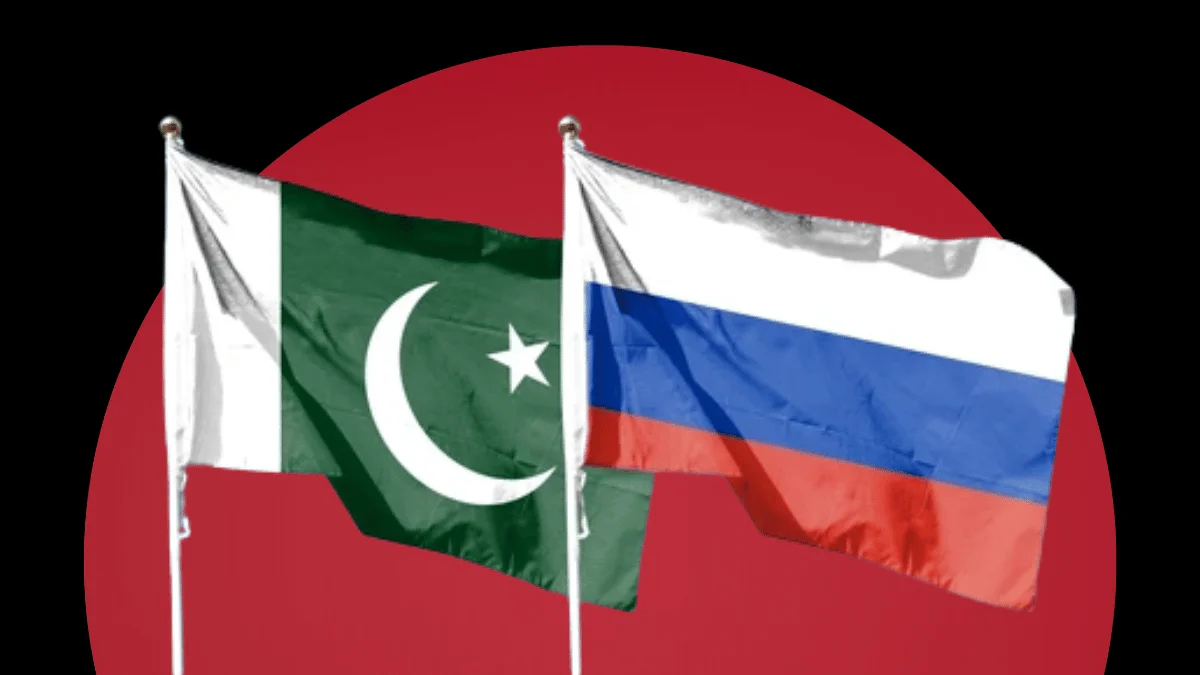
Pakistan has initiated high-level agricultural and technological collaboration with Russian agrochemical enterprise Schelkovo Agrohim to bolster crop productivity, advance seed technology, and introduce cutting-edge crop protection solutions. During official talks led by Federal Minister for National Food Security and Research Rana Tanveer Hussain, delegations explored strategic partnerships spanning seed development, biological products, advanced fertilizers, and technology transfer. The Russian firm showcased its extensive portfolio—including non-GMO maize seeds, wheat, sugar beets, and oilseeds—alongside specialized plant nutrition items designed to optimize nutrient-use efficiency and mitigate national dependence on imported phosphatic inputs like DAP.Rather than relying purely on finished imports, discussions centered on localized production, germplasm access, joint breeding programs, and seed traceability. The Pakistan Agricultural Research Council (PARC) and the National Agricultural Research Centre (NARC) were designated as prime technical platforms to conduct rigorous field trials and scientifically evaluate Russian seed varieties and crop protection products under local agronomic conditions, starting with wheat trials ahead of the approaching sowing season.
Pakistan has opened discussions with Russian agricultural and agrochemical company Schelkovo Agrohim to expand cooperation in seeds, crop protection, agricultural technology, research and investment, the Press Information Department (PID) reported.
Federal Minister for National Food Security and Research Rana Tanveer Hussain held talks with a delegation from Schelkovo Agrohim, with discussions focused on seed development, pesticides, micronutrients, advanced fertilisers, agricultural research, technology transfer and joint investment.
The Russian company briefed Pakistani officials on its range of pesticides, micronutrients, micro-fertilisers, biological products and crop seeds. Its portfolio includes wheat, maize, sugar beet, rapeseed/canola and sorghum, while the delegation said its maize seeds are non-GMO.
The two sides identified cotton, rice, sugarcane and vegetables as key areas for cooperation in pest and disease management. They also discussed alternative plant nutrition products that could improve nutrient-use efficiency and potentially reduce Pakistan’s dependence on conventional fertilisers, particularly phosphorus fertilisers and DAP.
Localisation, Research, and Field Trials
A major focus was the potential for local production and technology transfer rather than simply importing finished agricultural inputs. Pakistan proposed cooperation in germplasm access, joint breeding programmes, seed traceability, local seed multiplication and potentially establishing a Russian seed company or partnership in the country.
The Pakistan Agricultural Research Council (PARC) and National Agricultural Research Centre (NARC) were proposed as platforms for scientifically evaluating Russian technologies under Pakistan’s local climatic, soil and agronomic conditions.
The sides also discussed field trials of Russian seeds and pesticides. With the wheat sowing season approaching, the early provision of suitable Russian wheat seed material was proposed for trials covering yield potential, adaptability and resistance to pests and diseases.
Regulatory Engagement and B2B Frameworks
Regarding pesticides, Schelkovo Agrohim has already engaged with Pakistan’s Department of Plant Protection over registration procedures, testing requirements and regulatory studies. The availability of internationally accredited testing laboratories in Pakistan was also discussed.
The government said it would facilitate B2B matchmaking between the Russian company and Pakistani businesses. Potential cooperation models include local distribution, joint ventures, public-private partnerships, local seed production, research and development and establishing an agricultural-input or seed company in Pakistan.
The two sides agreed to continue technical and regulatory engagement, facilitate local testing and identify potential business and investment partners. Pakistan also indicated that future cooperation could be formalised through a Memorandum of Understanding (MoU) or Letter of Intent (LoI).

 Agriculture
 Agriculture
 Agriculture