
China Retains Existing Import Limits For Wheat, Rice, Corn And Cotton
Listen2 min
Read aloud by your device’s built-in synthetic voice, not a recording. Needs a browser that can read aloud.
✧ GENERATE BRIEFING
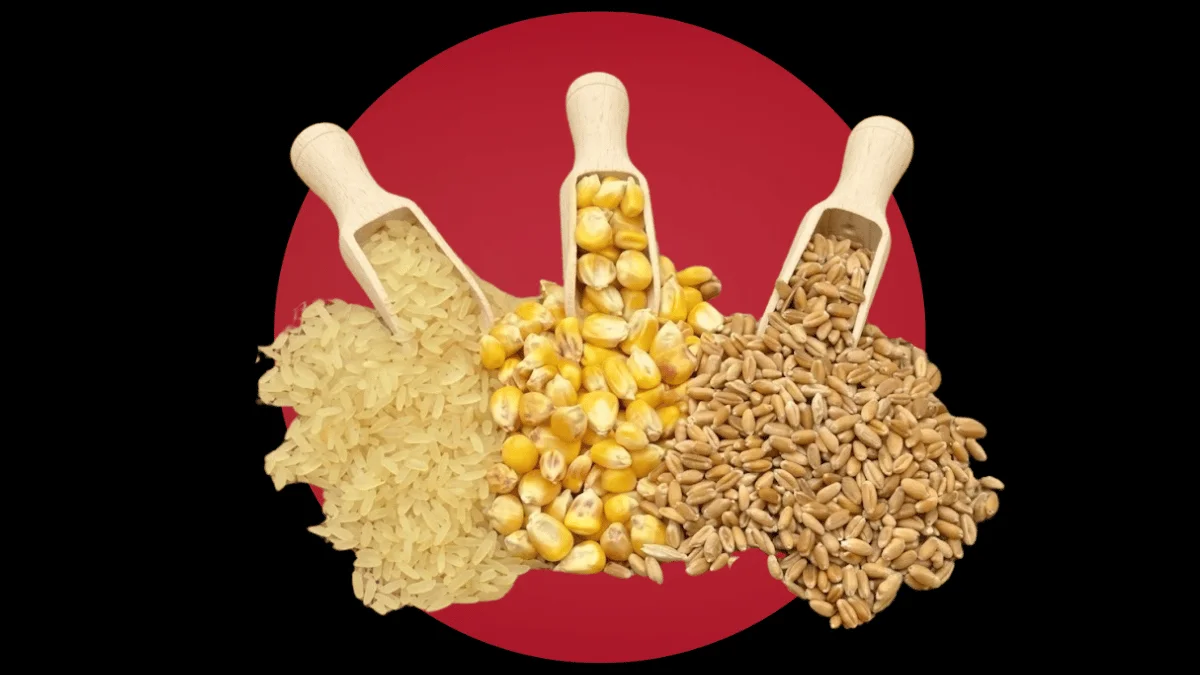
China’s state planner, the National Development and Reform Commission (NDRC), announced on Friday, October 16, 2026, that it will maintain its existing Tariff-Rate Quota (TRQ) import limits for wheat, corn, rice, and cotton for the 2027 calendar year. The decision reflects policy continuity in Beijing’s strategic approach toward staple food reserves, animal feed security, and domestic agricultural price stabilization.Key TRQ volume allocations and structural mechanisms for 2027 include:Wheat Quota: Set at 9.64 million metric tonnes, with 90% reserved for state-owned enterprises (SOEs) such as COFCO. Corn Quota: Maintained at 7.2 million metric tonnes, with 60% allocated to SOEs. Rice Quota: Fixed at 5.32 million metric tonnes (split evenly at 2.66 million tonnes for long-grain and medium/short-grain varieties), with 50% earmarked for SOEs.Cotton Quota: Set at 894,000 metric tonnes, with 33% allocated to state trading entities.
China will maintain its 2027 import tariff-rate quota for wheat at 9.64 million metric tonnes, keeping the limit unchanged from the previous year, according to a notice issued by the country’s state planner on Friday.
The import quotas for three other major agricultural commodities — rice, corn and cotton — will also remain unchanged, reflecting continuity in China’s import quota policy for key food and textile-related raw materials.
2027 Quota Breakdown and Tariff Mechanisms
China has set the 2027 quota for corn at 7.2 million tonnes, while the combined quota for rice stands at 5.32 million tonnes. The quota for cotton has been fixed at 894,000 tonnes.
The quotas are part of China’s tariff-rate quota (TRQ) system, under which specified quantities of certain commodities can be imported at lower tariff rates. Imports outside the allocated quotas may face substantially higher duties, depending on the product and applicable rules.
Sectoral Impact and Domestic Food Security
The policy covers commodities that are important to China’s food supply, agricultural processing and textile industries. Wheat and rice are staple food crops, corn is widely used in food and animal feed, while cotton is a key raw material for the textile sector.
China’s decision to keep the limits unchanged provides continuity for international grain and cotton suppliers planning shipments to the Chinese market in 2027. However, actual import volumes may also depend on domestic production, market prices, demand and the availability of supplies from overseas producers.
The quota announcement was issued by China’s National Development and Reform Commission (NDRC), which published the application and allocation rules for 2027 grain and cotton import quotas on October 14.

 Agriculture
 Agriculture
 Agriculture