Pakistan Expects To Achieve EV Target Ahead Of Schedule As Fuel Prices Surge
Listen3 min
Read aloud by your device’s built-in synthetic voice, not a recording. Needs a browser that can read aloud.
✧ GENERATE BRIEFING
Pakistan is poised to achieve its national electric vehicle (EV) adoption targets well ahead of the official 2030 timeline, driven by soaring domestic fuel prices that have radically shortened the payback period for consumers. Adviser to the Prime Minister on Industries and Production Haroon Akhtar stated in a recent interview with Bloomberg that the mounting cost of conventional fuels has compressed the EV upfront investment recovery window to just one to one-and-a-half years. The surge follows sharp increases in domestic petroleum rates spurred by Middle East supply disruptions that began in February 2026 with petrol prices climbing 54% and diesel rising 43% according to Pakistan State Oil data.Under the existing National Electric Vehicle Policy (2025, 2030), Islamabad aims for new-energy vehicles to capture 30% of total sales by the end of the decade.
Pakistan expects to achieve its electric vehicle (EV) adoption target ahead of schedule as sharply higher petrol and diesel prices improve the economic case for switching to electric mobility, Adviser to the Prime Minister on Industries and Production Haroon Akhtar said.
Akhtar told Bloomberg that the higher cost of conventional fuels has significantly shortened the payback period for EV buyers. According to him, the additional upfront cost of an EV can now be recovered in around one to one-and-a-half years, compared with a much longer period previously.
Pakistan’s National Electric Vehicle Policy 2025–30 targets new-energy vehicles, including EVs, to account for 30% of new vehicle sales by 2030. The government is seeking to reduce dependence on imported petroleum, lower transport emissions and improve energy security.
Fuel prices have strengthened the incentive for consumers to consider electric vehicles.
According to Pakistan State Oil data cited in the report, domestic petrol prices have increased 54% and diesel prices 43% since the Middle East conflict began in February. The increase has raised the running cost of petrol- and diesel-powered vehicles.
New Automobile Policy and Fiscal Incentives
The government is also preparing a new automobile policy, which could be presented to the federal cabinet within the next two weeks. Akhtar said the proposed policy may include additional tax incentives for EVs to narrow the upfront price gap between electric and conventional vehicles.
EV demand is already showing signs of growth. Industry data cited by Bloomberg indicates that sales of electric motorcycles and scooters have tripled year-on-year, while electric car sales have doubled, although comprehensive industry-wide EV sales data is not publicly available.
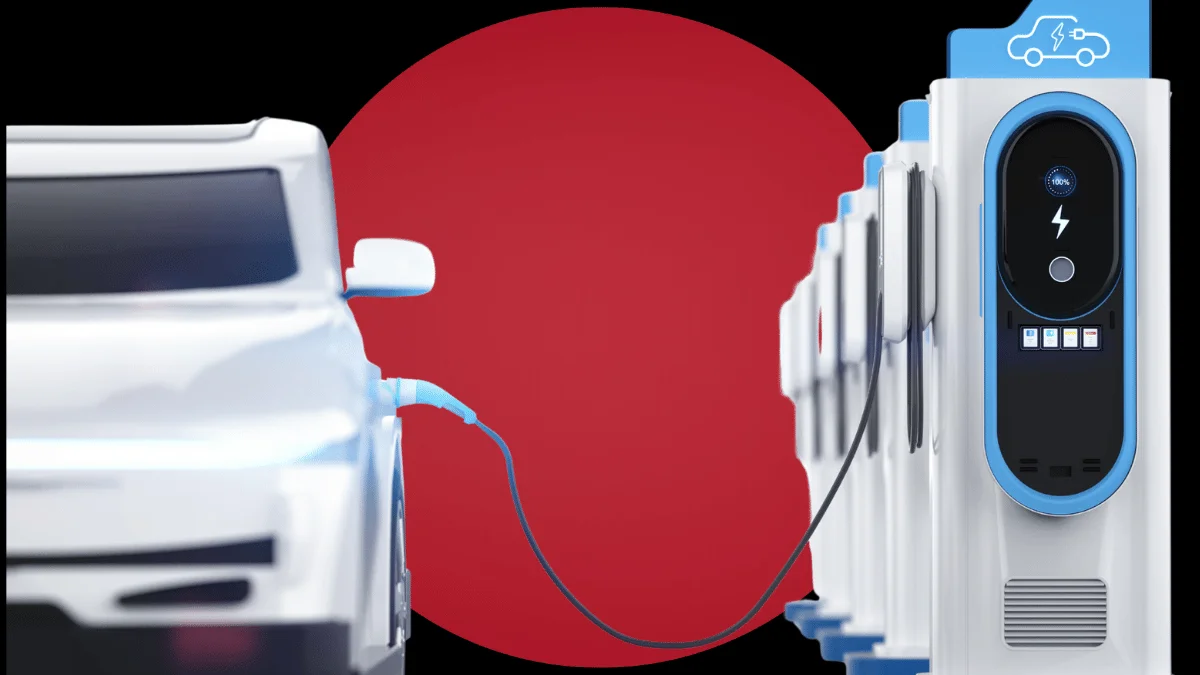
However, a rapid nationwide transition to EVs still faces challenges, including relatively high vehicle prices and limited charging infrastructure. Pakistan’s government is also working on policies to encourage local manufacturing and wider adoption of new-energy vehicles.
Macroeconomic Impact and Import Bill Reduction
The push towards electric mobility could also have implications for Pakistan’s external sector. Petroleum accounted for nearly a quarter of the country’s total imports, reaching about $16.9 billion in the year to June 2026, making a reduction in fuel consumption potentially significant for the import bill and energy security.